Civilization Research Institute · 2025.01.16
Reality Check
“If we do not immediately and completely change our direction, we are likely to end up where we are going.”
Download PDFAbout This Document
- This document offers a high-level analysis of humanity’s track record in achieving societal progress and addressing the problems of the world. It argues that our previous attempts at problem-solving do not offer precedents for adequate solutions to the novel catastrophic risks humanity currently faces.
- This document appears to be far longer than it is. Most of the pages are either extensive endnotes and citations, or graphs and images for reference. The body of the text is approximately 20 pages and should take no more than 30–40 minutes to absorb.
- If humanity is to move from its default path and orient toward a positive future—before thresholds of irreversibility are passed—it is necessary to engage unreservedly with a full and honest assessment of the state of the world, as well as its path through history to the present, its likely future trajectory, and previous successes and failures to change its direction. This summary of our attempts at problem-solving aims simply to provide an overview of a deeper analysis, alongside a minimum number of examples for clarity to emerge.
- The Civilization Research Institute is developing a range of methodologies to assist in the innovation of new approaches to solution design that are adequate to address the problems of the world. This document was written in order to explain why this innovation in methodology is so critical in determining humanity’s path into the future and likely outcomes.
- This document is necessarily abbreviated; there is always more that could be said. In light of this limitation, the analysis presented here includes a wide and representative range of strategies aimed at world betterment, including religious and spiritual movements, cultural movements, educational endeavors, social and political movements, systems of government, market solutions, technological solutions, institutional reform, media campaigns, and violent overthrows, among others. Particular attention has been given to approaches widely considered as the most successful to date, including the Civil Rights Movement, women’s suffrage, liberal democracies, public education, the environmental movement, the Enlightenment, modernity and industrialization, and the creation of the United Nations and the international order, among others.
- This document is intended for those with a basic understanding of the framework of the metacrisis. As such, it will use some terms and concepts that may be generally unfamiliar, but that have been explained elsewhere in most expositions of the metacrisis (such as here and here).
Bottom Line Up Front
There are no historical precedents for any effective strategies that would be capable of delivering the kind of change necessary to prevent the impending catastrophic risks and control dystopias facing humanity now.
The standard approaches that humanity uses to solve problems tend to create worse problems as a result of their implementation. The projects aimed at world betterment that do “succeed” (according to their own narrow metrics) tend to do so while also generating significant externalized harm. Once all externalities are fully considered, it is often the case that these projects leave the world worse in a range of meaningful ways.
This pattern is common to the most inclusive, politically empowered, and philanthropic projects, including those with the most funding, staff, and technological sophistication. Even projects in this rare category have still failed simply to slow the rates of harm in their main domains of focus, while at the same time contributing to significant externalities.
All of the best practices for change-making (from business, academia, law, diplomacy, tech, politics, religion, education, and many others) are not only insufficient; they are themselves primary causes of the metacrisis. It is critical to understand deeply why this is the case before proceeding with any ambitious change efforts—particularly if any change is to succeed.
Highlights of Our Collective Track Record
The Environmental Movement
Rachel Carson’s Silent Spring (1962), which provided the first public introduction to the unprecedented ecocide occurring from agricultural and industrial chemicals, is widely considered as a point of origin of the modern environmental movement. Following its publication, many new environmental nonprofits and new government regulatory bodies such as the EPA were founded to focus on the issues raised in Carson’s book, alongside new green industries and financial services (including impact investing and ESG, for example).1
Well-intended efforts were also made to:
- generate new ideas in holistic accounting (triple bottom line, stakeholder capitalism, real cost accounting);
- design new legal frameworks (written into federal constitutions like the “rights of nature” framework);2
- encourage new consumer buying patterns (with new “voluntary sustainability standards” and accreditation bodies for certified organic, fair trade, BPA-free, phthalate-free, non-toxic, low-VOC, cage-free, LEED, etc.);
- organize boycotts on toxic products;3
- launch legislative campaigns to ban certain chemicals (DDT, malathion, leaded gas, CFCs, etc.);4
- and even create a new international regulatory body—UNEP—to help create global regulation agreements.5
The efforts to build and operate these new organizations and campaigns involved the dedicated professional work of hundreds of thousands of people, and the public support of hundreds of millions more. In addition to the creation of many new institutions, the environmental movement also deepened the preexisting support offered to many others, driving investment in new categories of science and technology, and the allocation of billions in nonprofit, state, and market funding.
Toxic Chemical Pollution
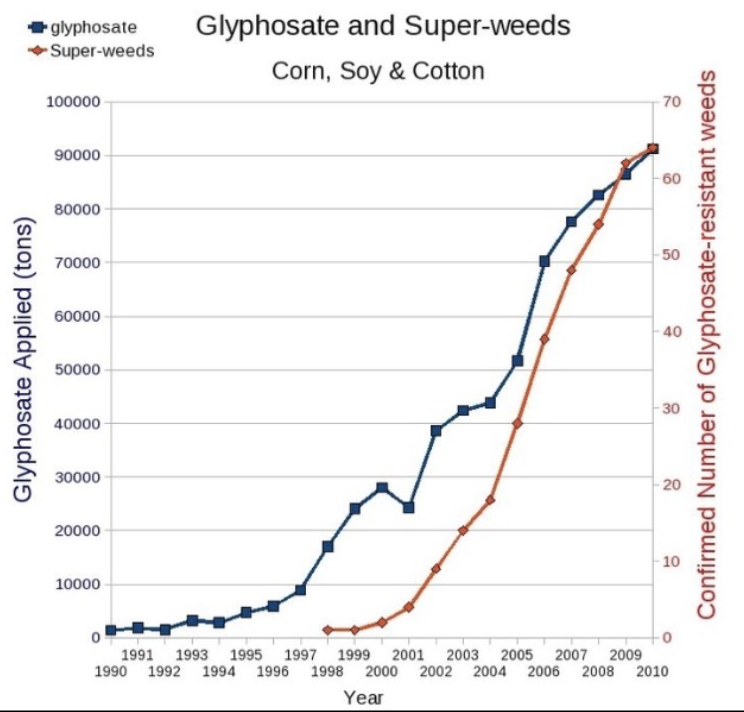
Despite all of this work and attention, total toxic chemical pollution has continued to increase.6 Each year the world has used more gigatons of toxic agricultural pesticides, herbicides, fungicides, and synthetic fertilizers than the year before (with only minor exceptions due to large-scale disruptive events such as a global pandemic and war in Europe).7
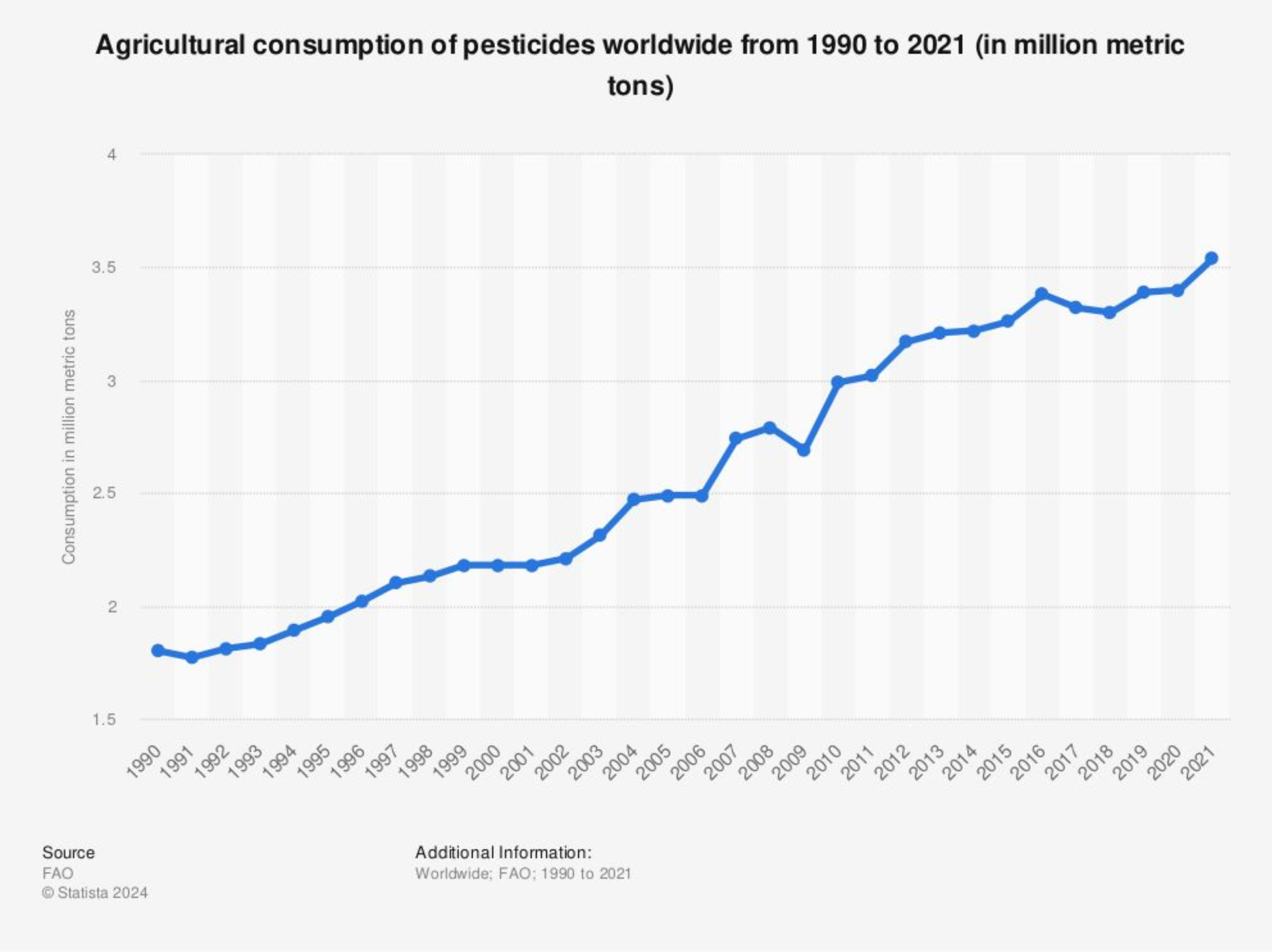
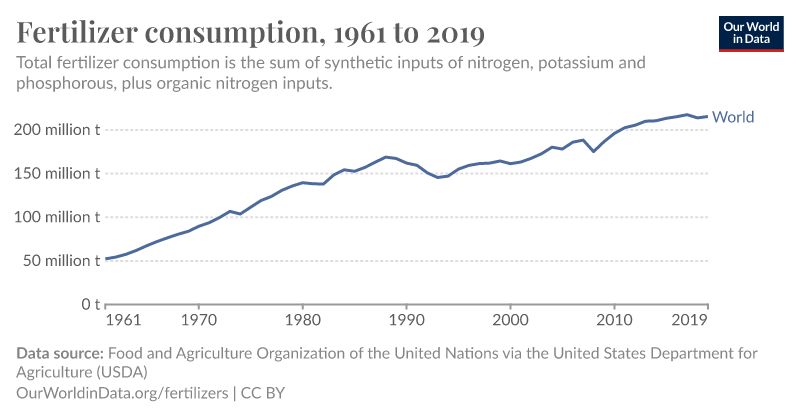
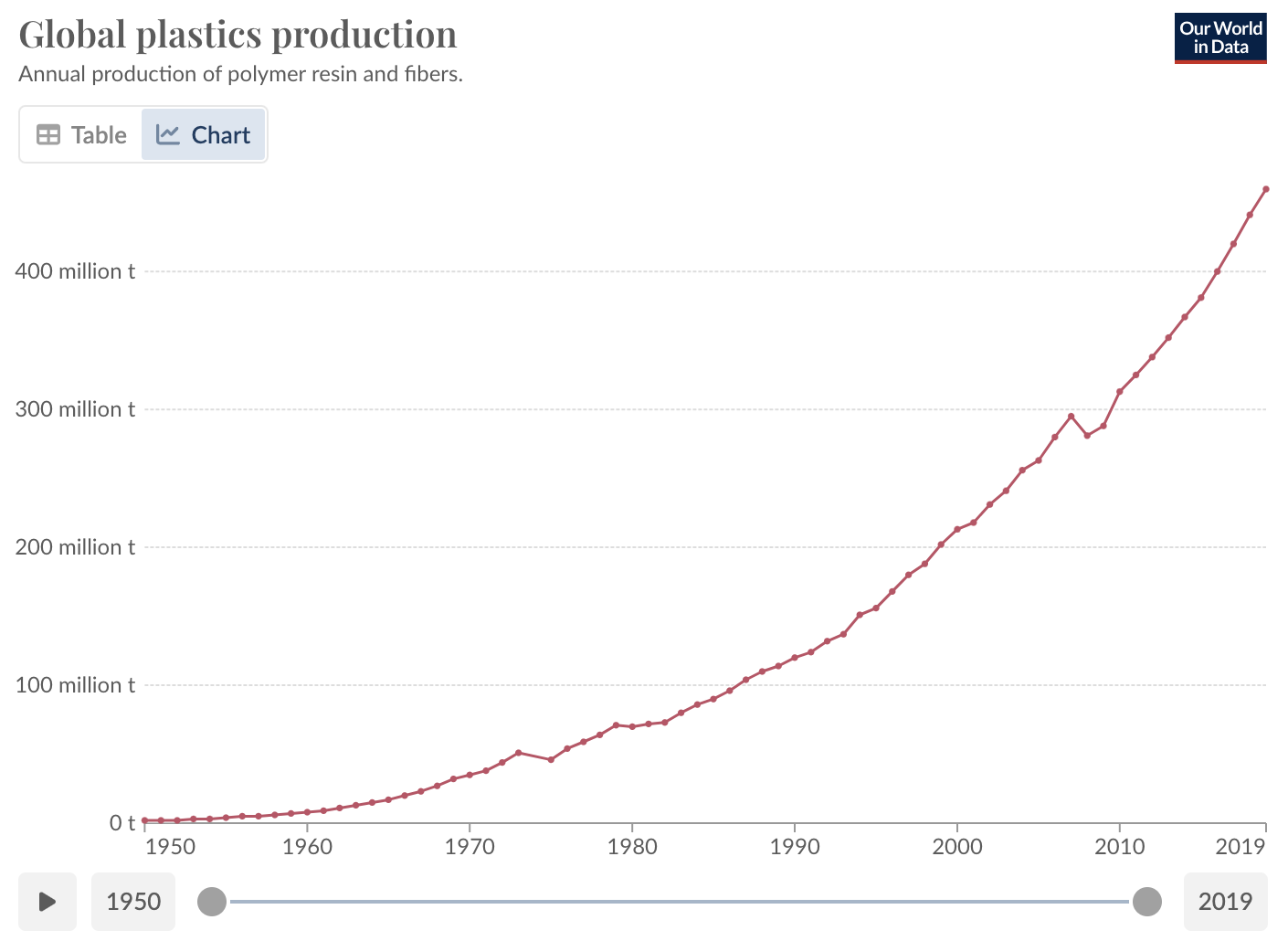
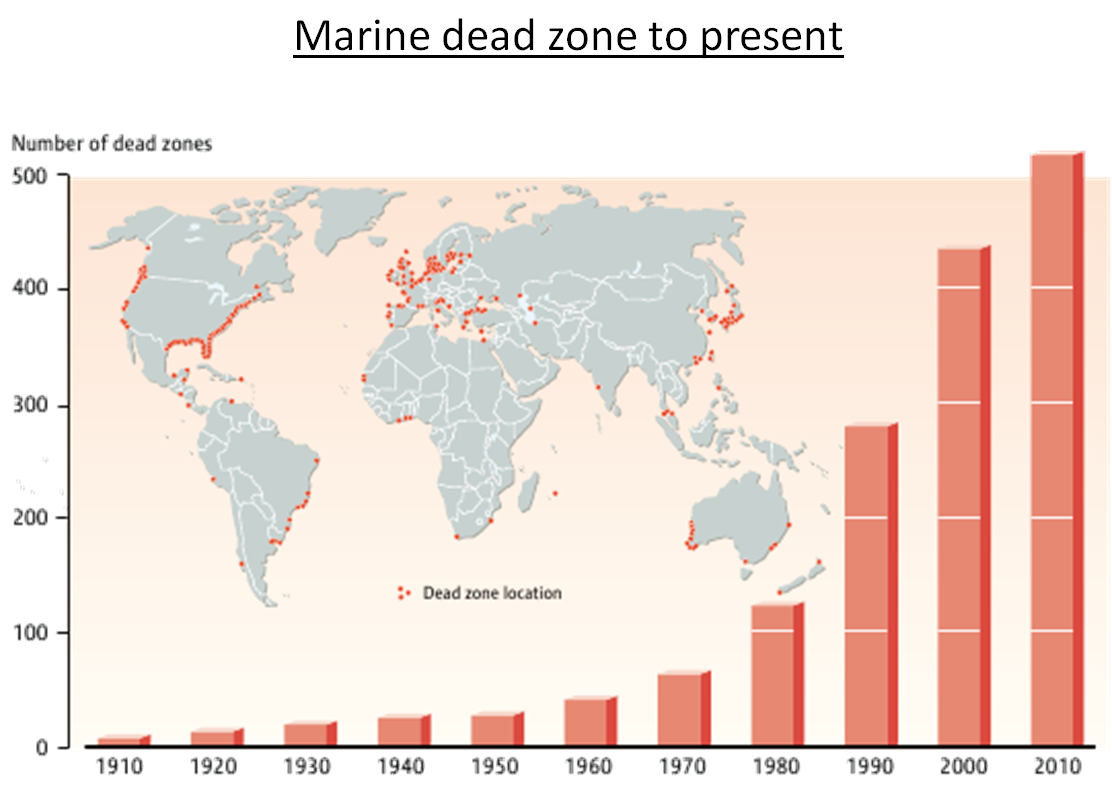
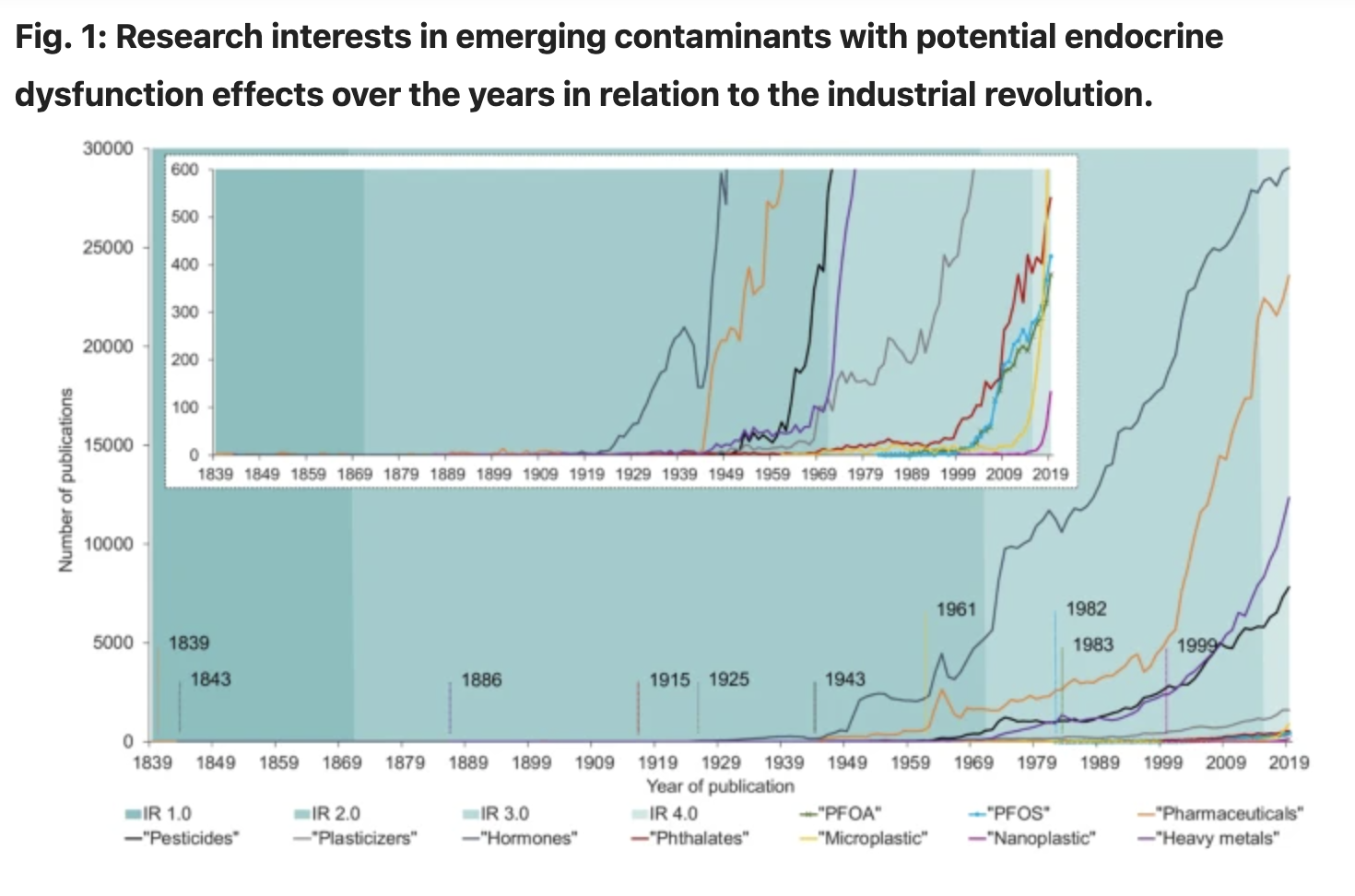
Beyond agriculture, the total number of unique chemicals in our bodies and the environment has radically increased, by at least 350,000 over the last thirty years alone.8 Each year, greater volumes of a growing variety of toxic chemicals are being added to an increasingly damaged biosphere, in the cumulative presence of all previously released chemicals. The biosphere’s capacity to break down and process these chemicals is increasingly compromised. Only a small proportion of these chemicals—nitrogen and phosphorus fertilizers in particular—are the primary cause of ocean dead zones, which have doubled in size every decade since the 1960s.9 In 1960, there were 10 dead zones. Now there are over 500.
Invisible and toxic “forever chemicals” (PFAS: per- and polyfluoroalkyl substances) are now found in every drop of rainwater sampled around the world, coating all natural water surfaces. Forever chemicals are a family of around 7 million different substances.10 When one is banned, another fills its place. They are affecting all biological entities on the planet. There are no natural processes to break them down, so once they are introduced into the environment, they will remain there indefinitely. We must now suffer the incalculable damage of PFAS pollution, despite the fact that studies conducted by their manufacturers demonstrated their lethal carcinogenic effects long before they were ever used in industry.
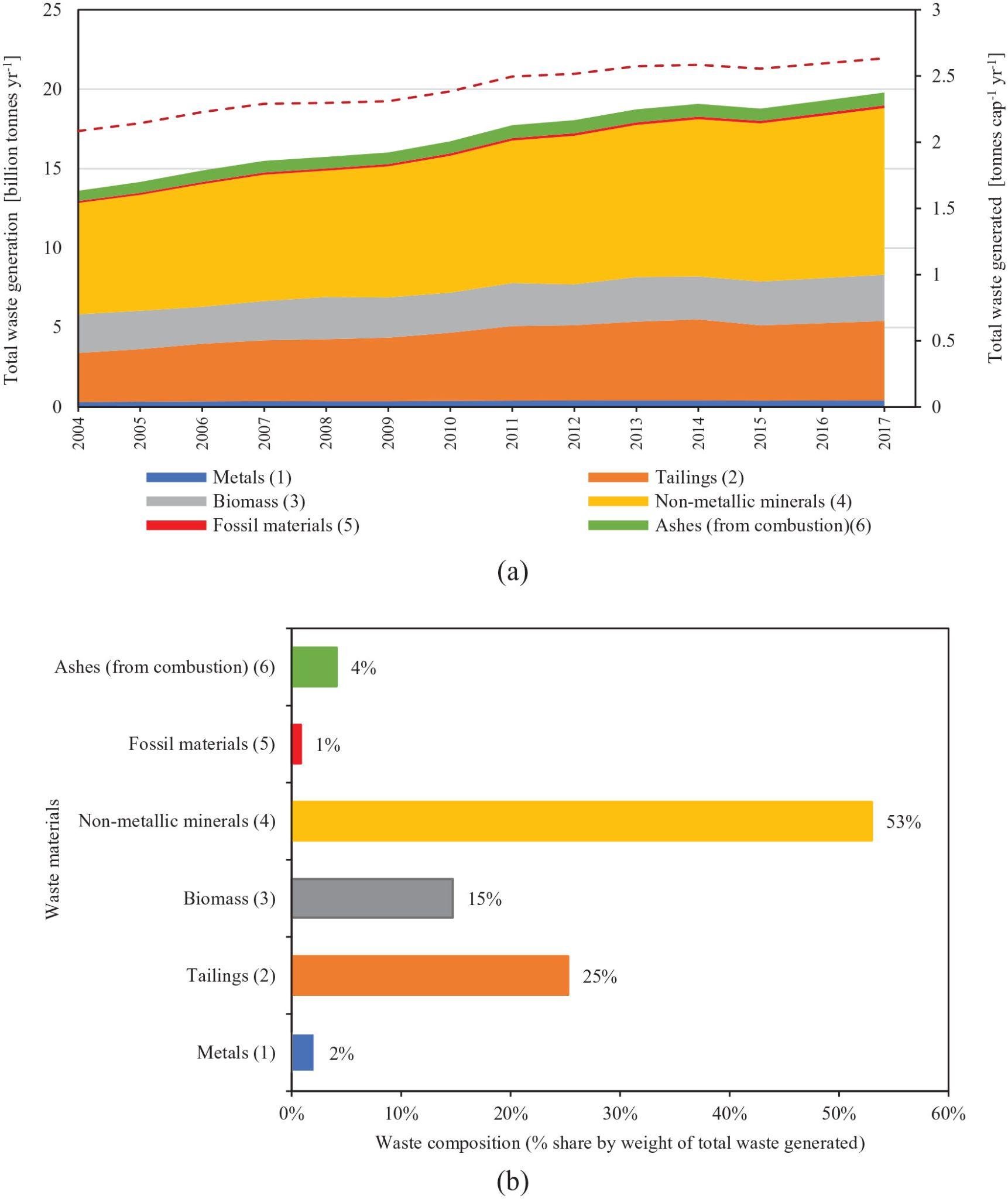
Toxic waste byproducts (tailings) from mining have increased exponentially every year. Approximately 100 billion tons of pollution from mining are created and dumped into the environment each year.11 Almost a third of tailings storage facilities are located within or near protected areas of ecological importance. The number of these facilities is increasing continuously, in lockstep with total GDP.12
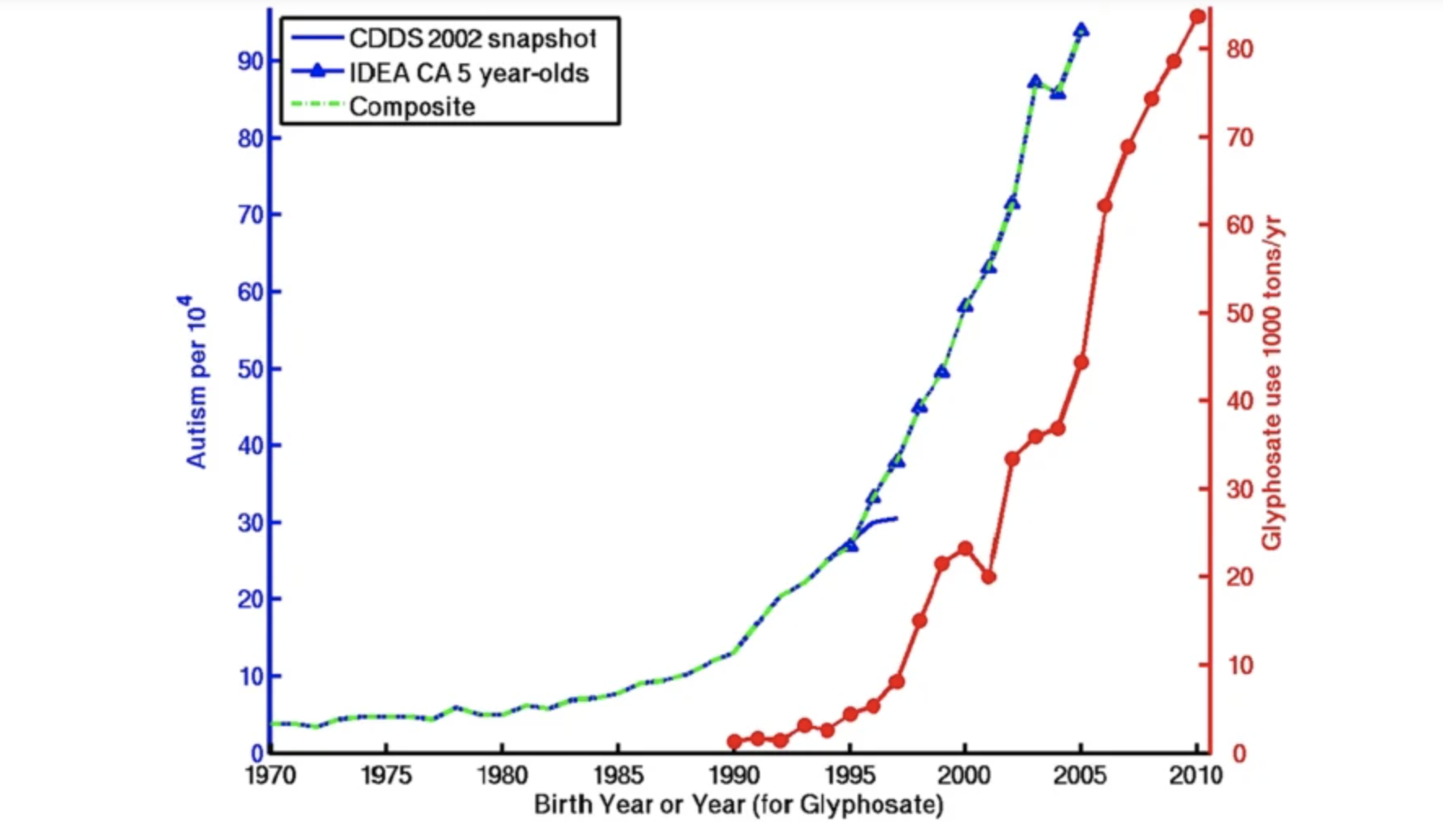
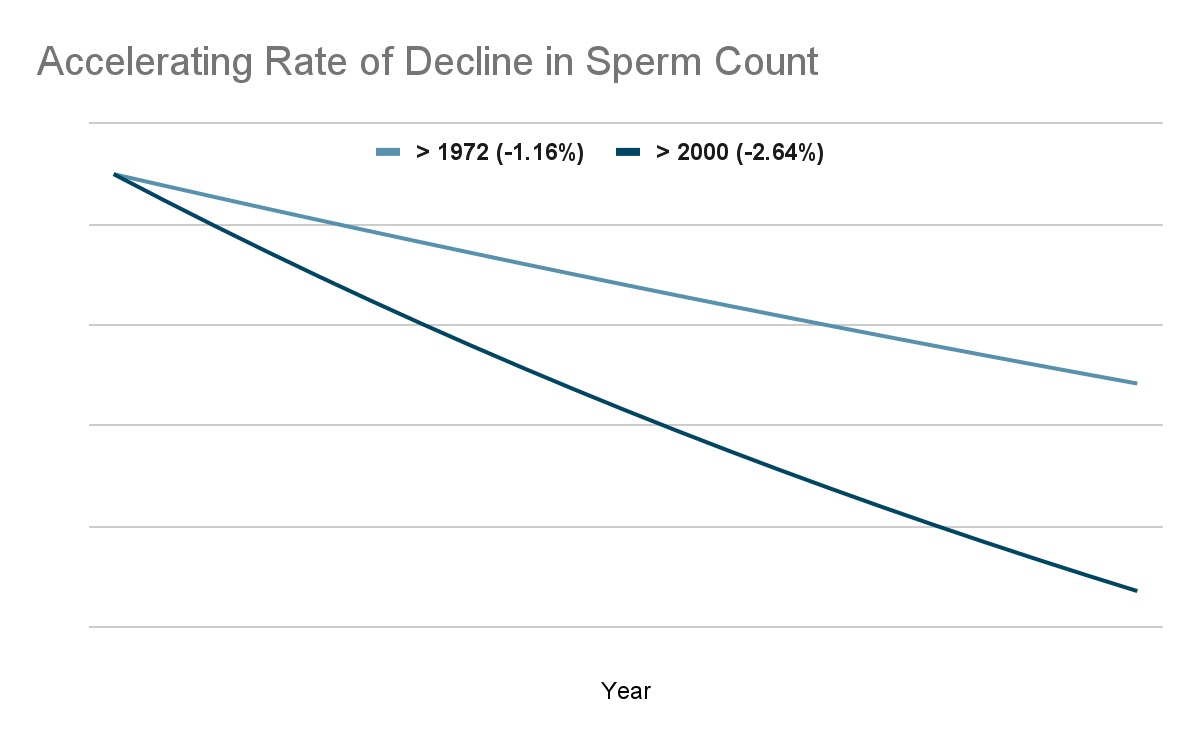
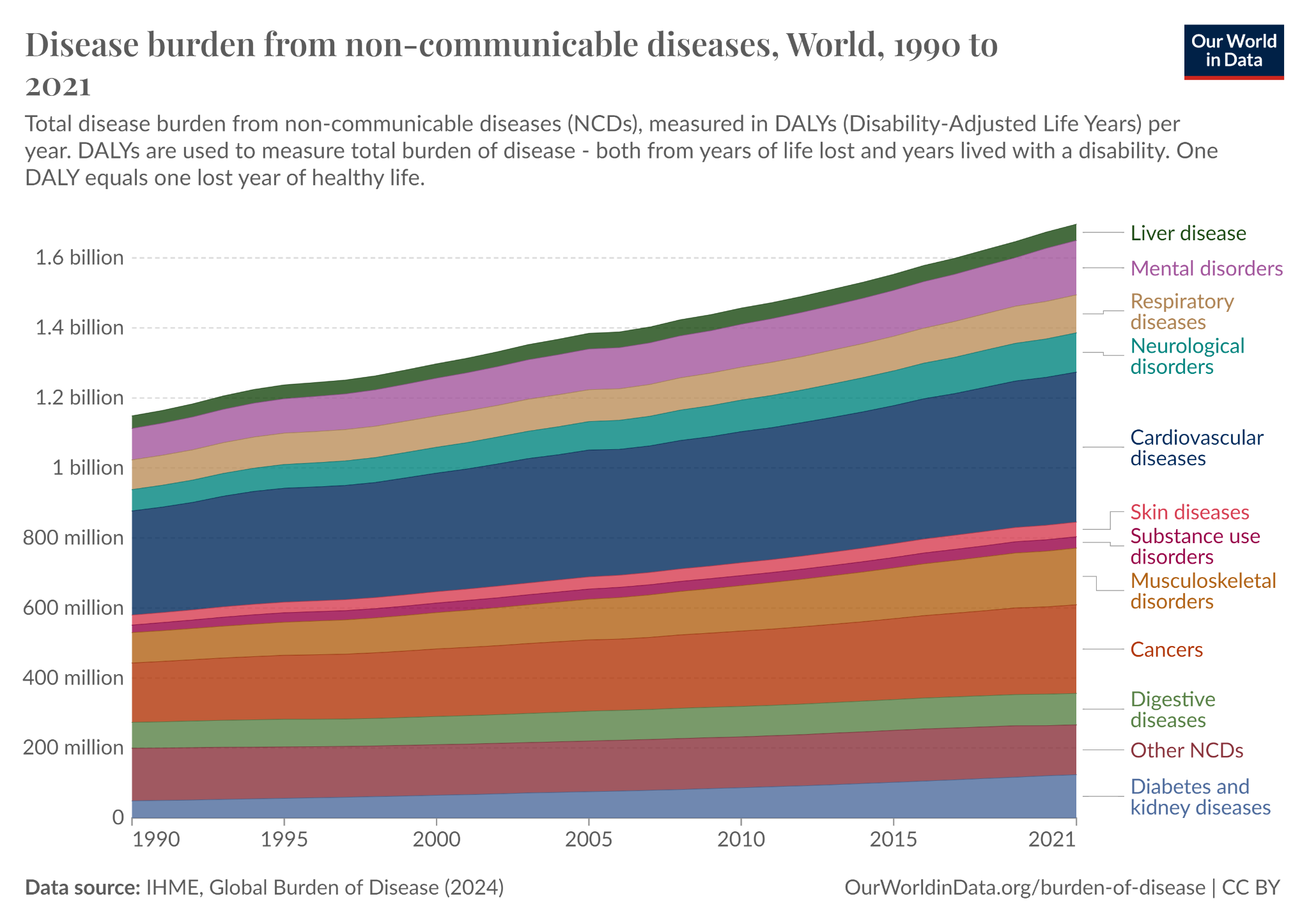
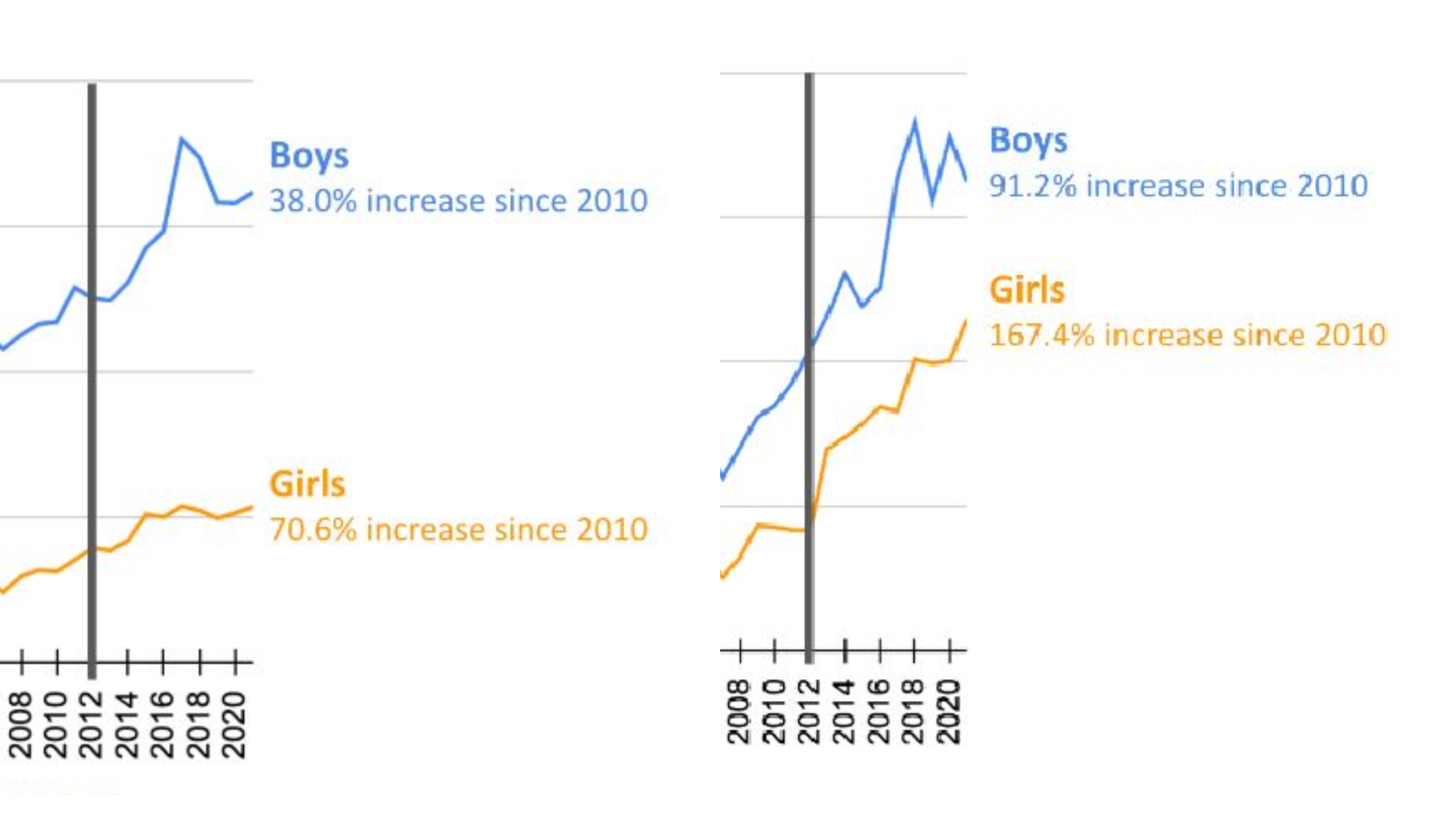
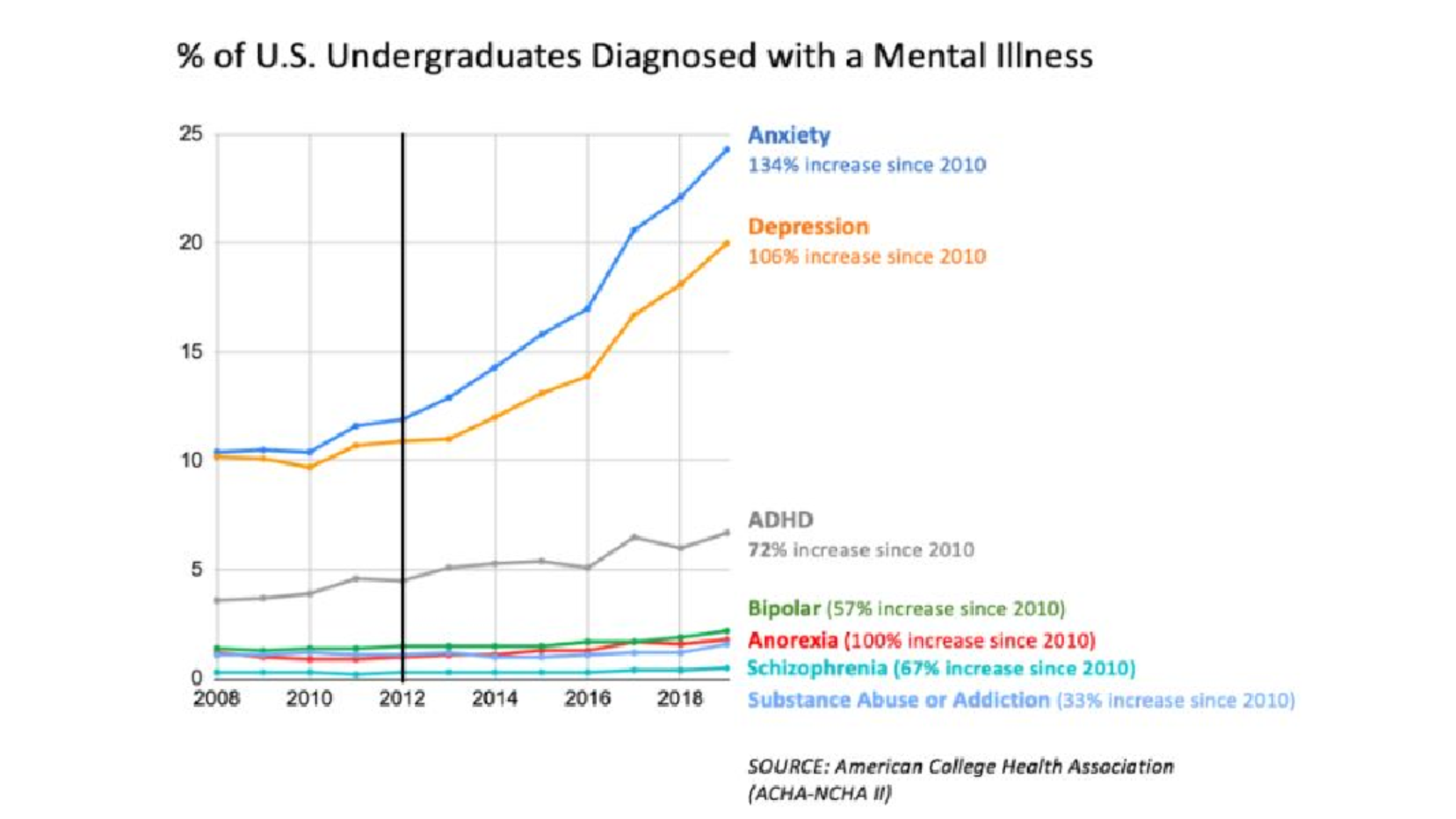
The blood and breast milk of the average American now contains approximately three hundred different synthetic chemicals.13 In other parts of the world—particularly those in which most manufacturing and industrial processing occurs—the numbers are far worse. Environmental pollution is responsible for over 9 million deaths each year, equivalent to one in six deaths globally. Childhood cancers, reproductive cancers, autoimmune conditions, neurodevelopmental disorders including autism14 and ADHD,15 Alzhiemer’s, neurodegenerative diseases, psychiatric diseases,16 and infertility are all on the rise globally, approximately in line with the increasing prevalence of these pollutants.17
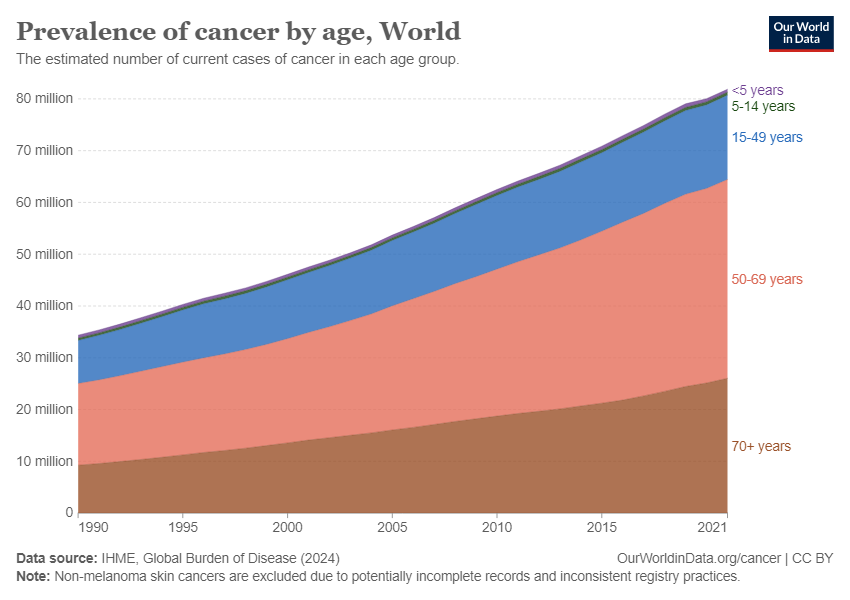
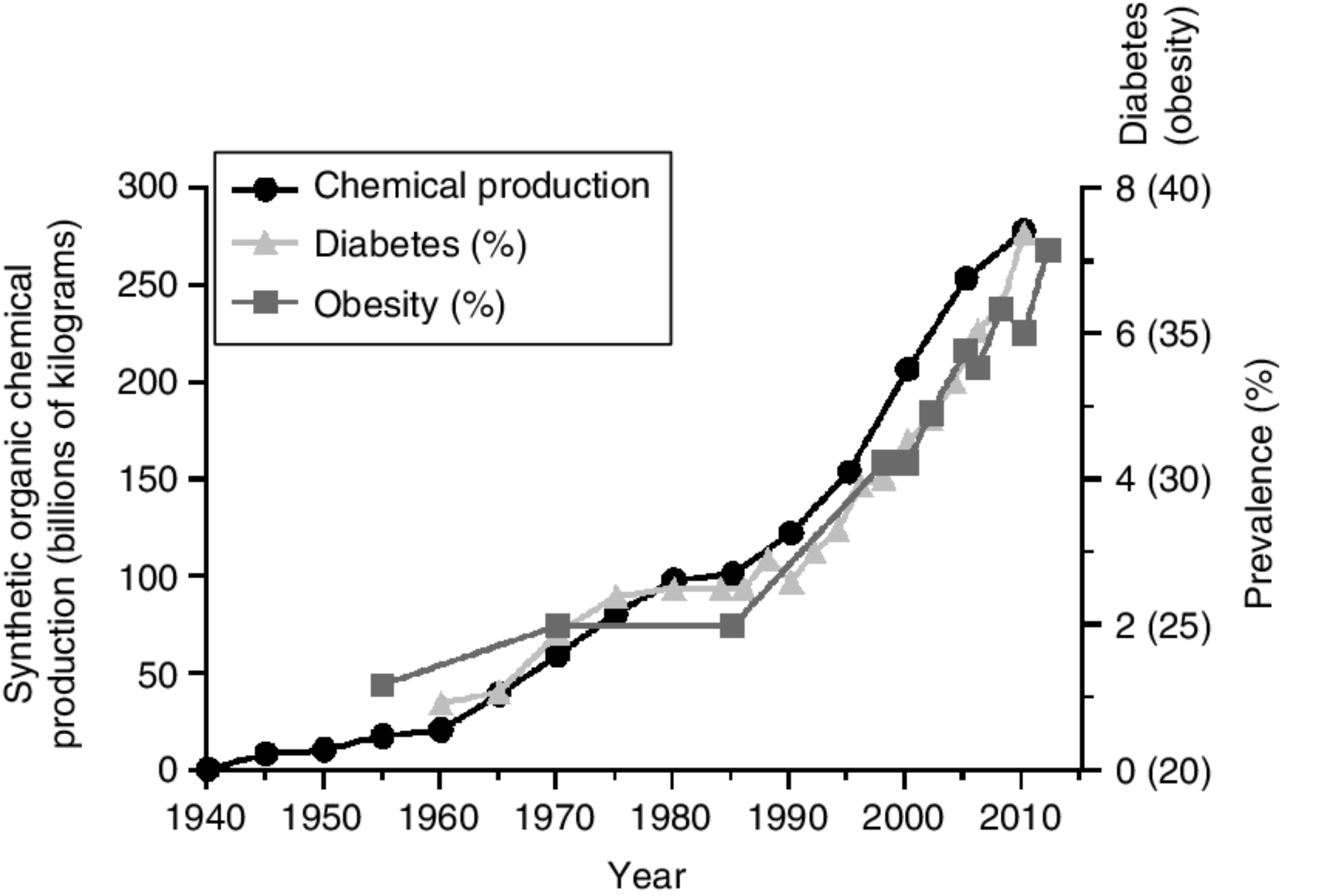
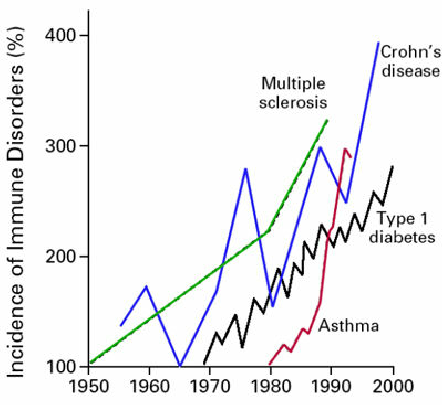

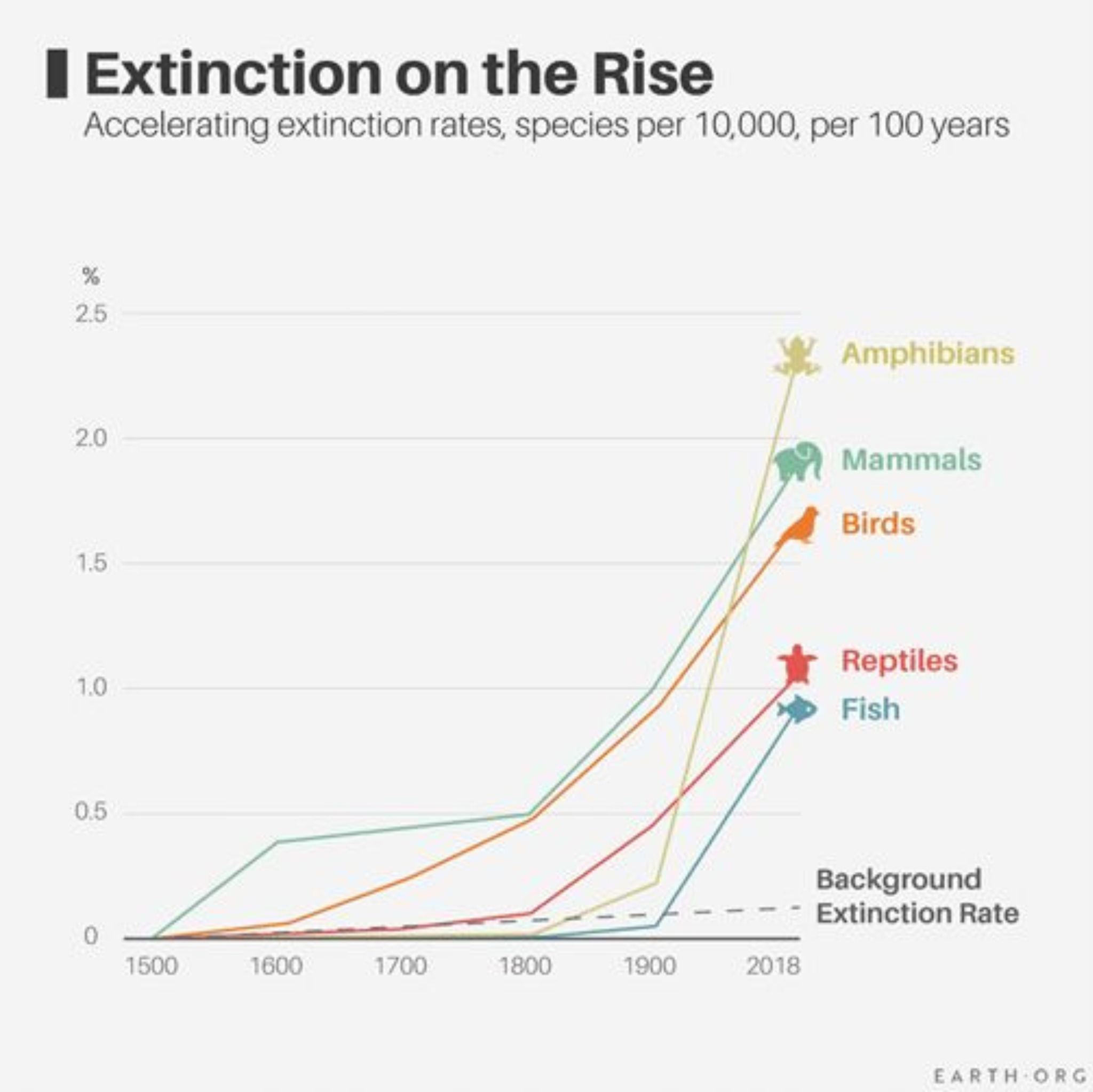
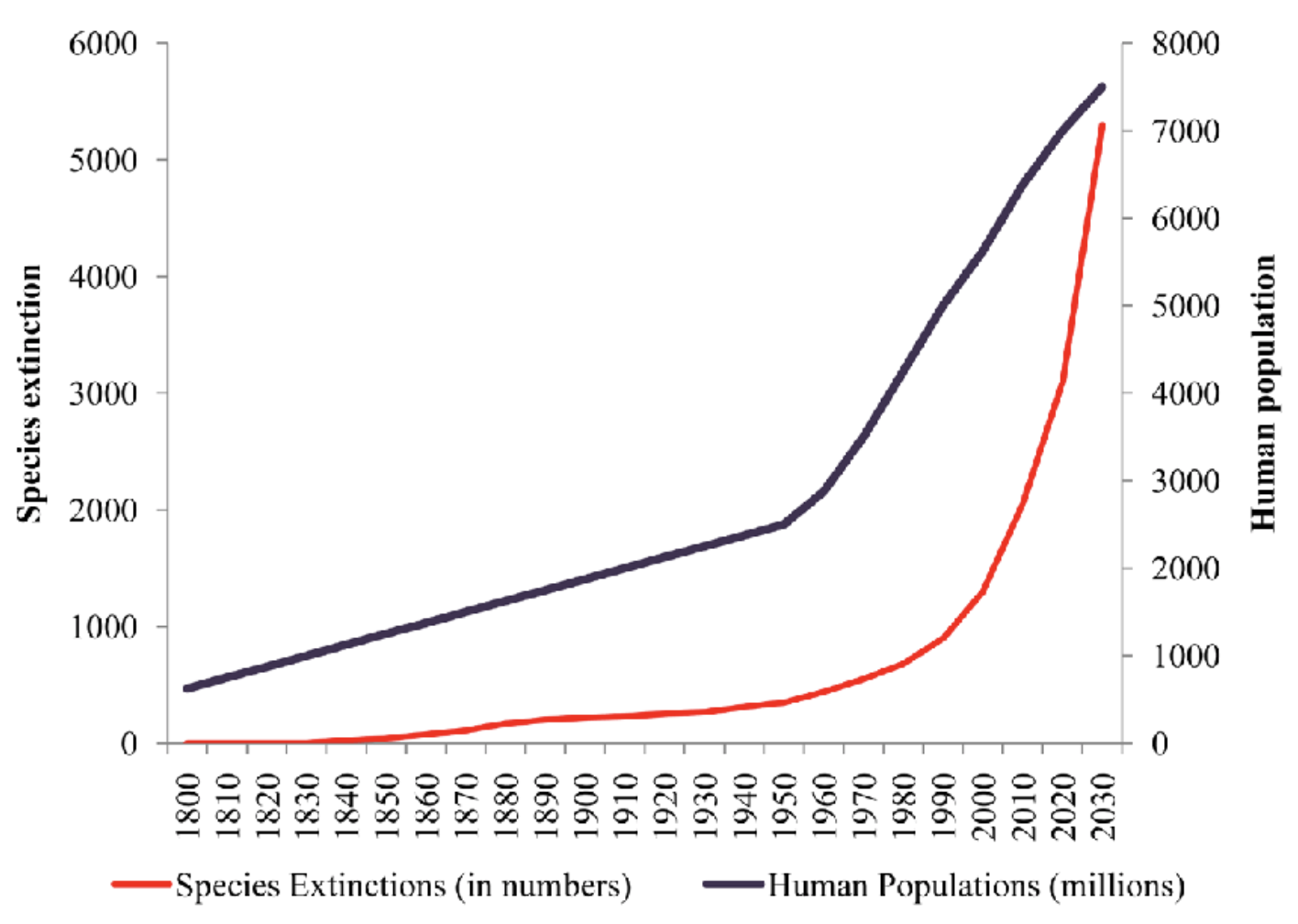
Pollution is currently a greater threat to species extinction than climate change.18 Despite all of the work of the environmental movement over the last sixty years, species extinction has continued to increase on an exponential curve. It is estimated that ten to thirty species are driven to extinction daily as a result of human activity. Every day, human-induced existential risk is a reality for many of the beings that inhabited this planet long before us.
Climate and Fossil Fuel Use
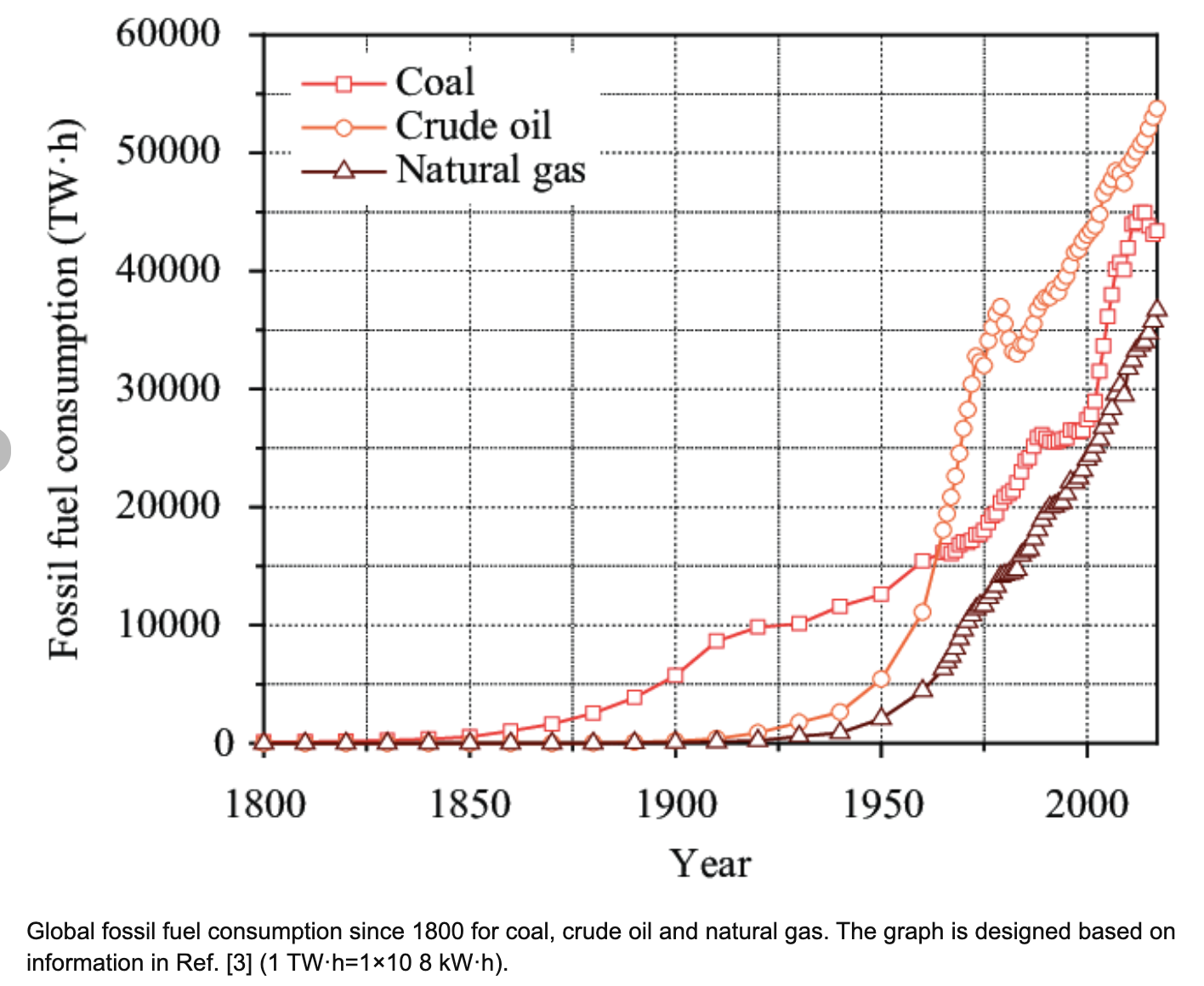
The first scientific publication observing climate change was published in 1938, with predictions of global warming as early as the late 1800s.19 It took more than six decades for the issue to find meaningful public awareness (and only after being popularized by the US vice president as a critical global issue). The Intergovernmental Panel on Climate Change (IPCC)—along with the National Oceanic and Atmospheric Administration (NOAA), NASA, Oak Ridge National Laboratories, and other global organizations—have generated some of the largest datasets in history, using the most advanced computational models, aided by some of the world’s leading scientists, and decades of international coordination and agreement.20 The issue of climate change has motivated unprecedented support, including youth movements and the commitment of over a trillion dollars of climate funding every year. All of this energy, focus, and resource has barely slowed the rate of increase in fossil fuel use each year.21 The brief and limited reductions we have observed were caused by global recession—not by the success of any intentional strategy.22
The Limits to Growth, authored by a team of MIT researchers in 1972, predicted an imminent collapse of civilization around 2064 due to resource depletion.23 Over the last fifty years, these predictions have been proven largely accurate, while little has been achieved to meaningfully alter projections.24 The thesis was largely dismissed at the time, with many asserting that technological efficiency would solve the problem; while innovation has slightly extended a limited number of resource depletion timelines, it has not fundamentally altered the trajectory outlined in the original report.25 The Jevons paradox, which is empirically validated, shows that under market dynamics, increases in efficiency lead to an increase rather than a decrease in total resources used (i.e. as costs reduce due to efficiency gains, new markets open up and all opportunities for returns are pursued).26 The major technological increases in efficiency of computation, communication, transport, manufacturing, appliances, and many others, have all contributed to more total resource use and corresponding waste and pollution. This trend is evidenced by any graphical representation of resource use over time (in total and per capita).
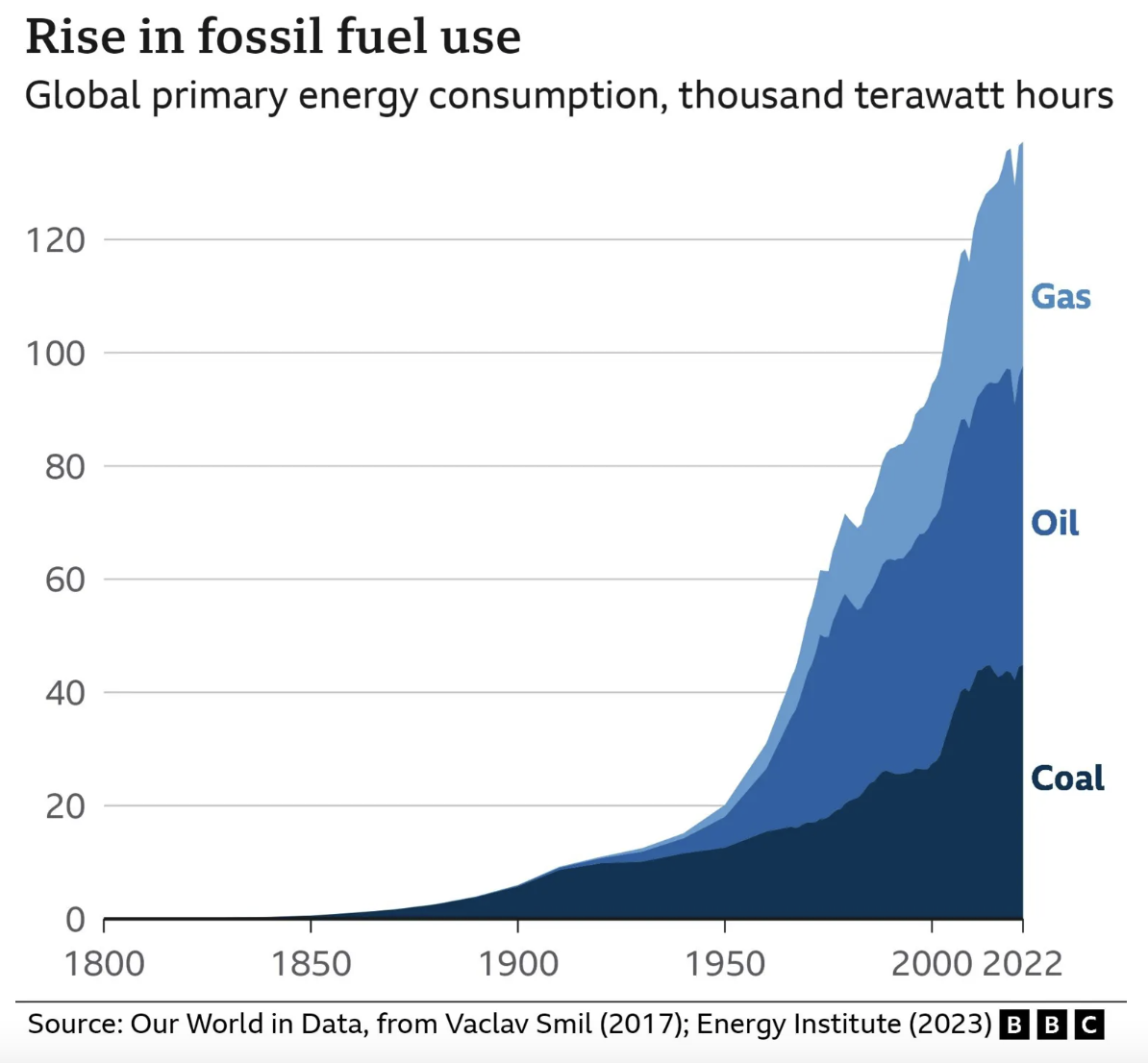
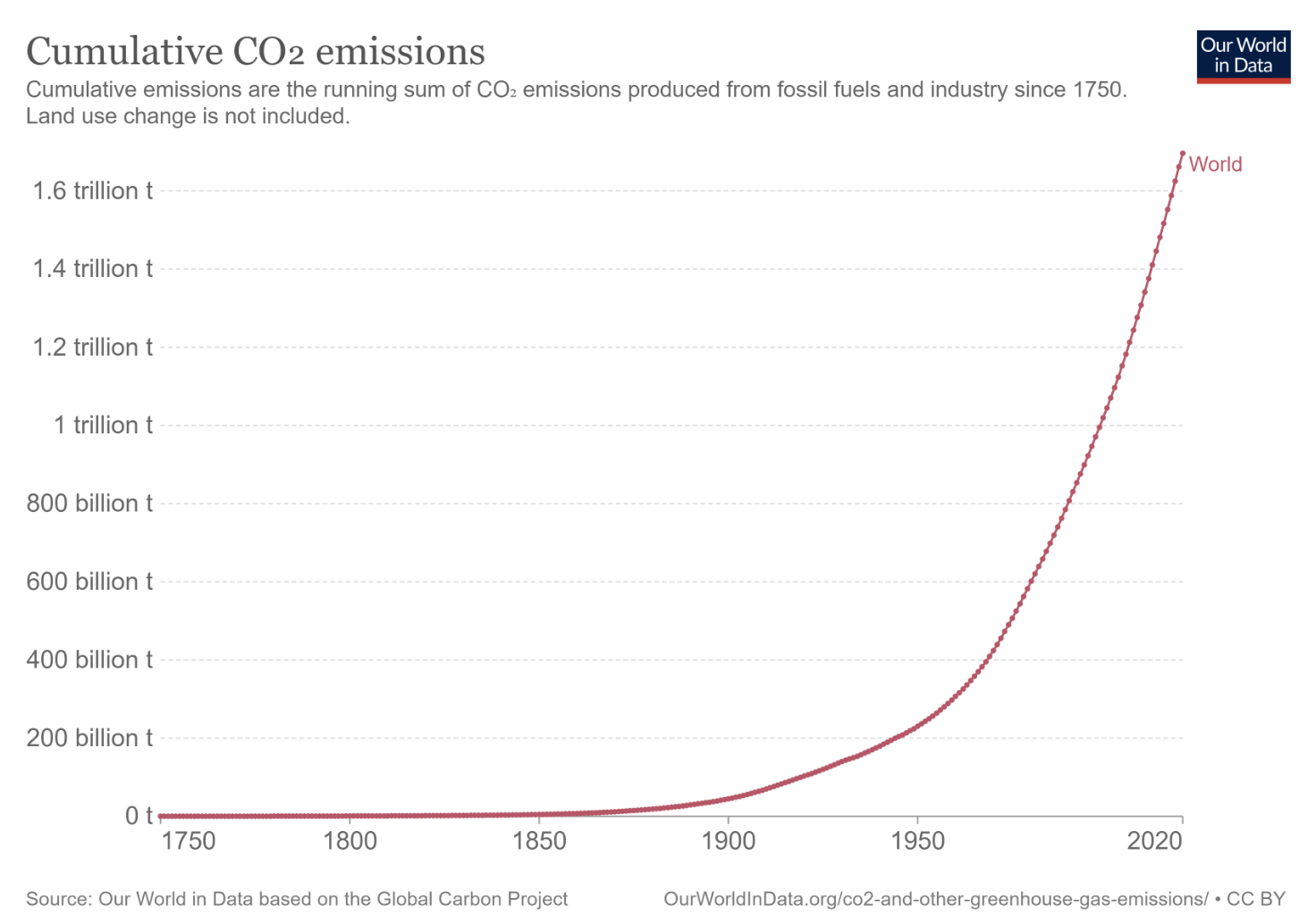
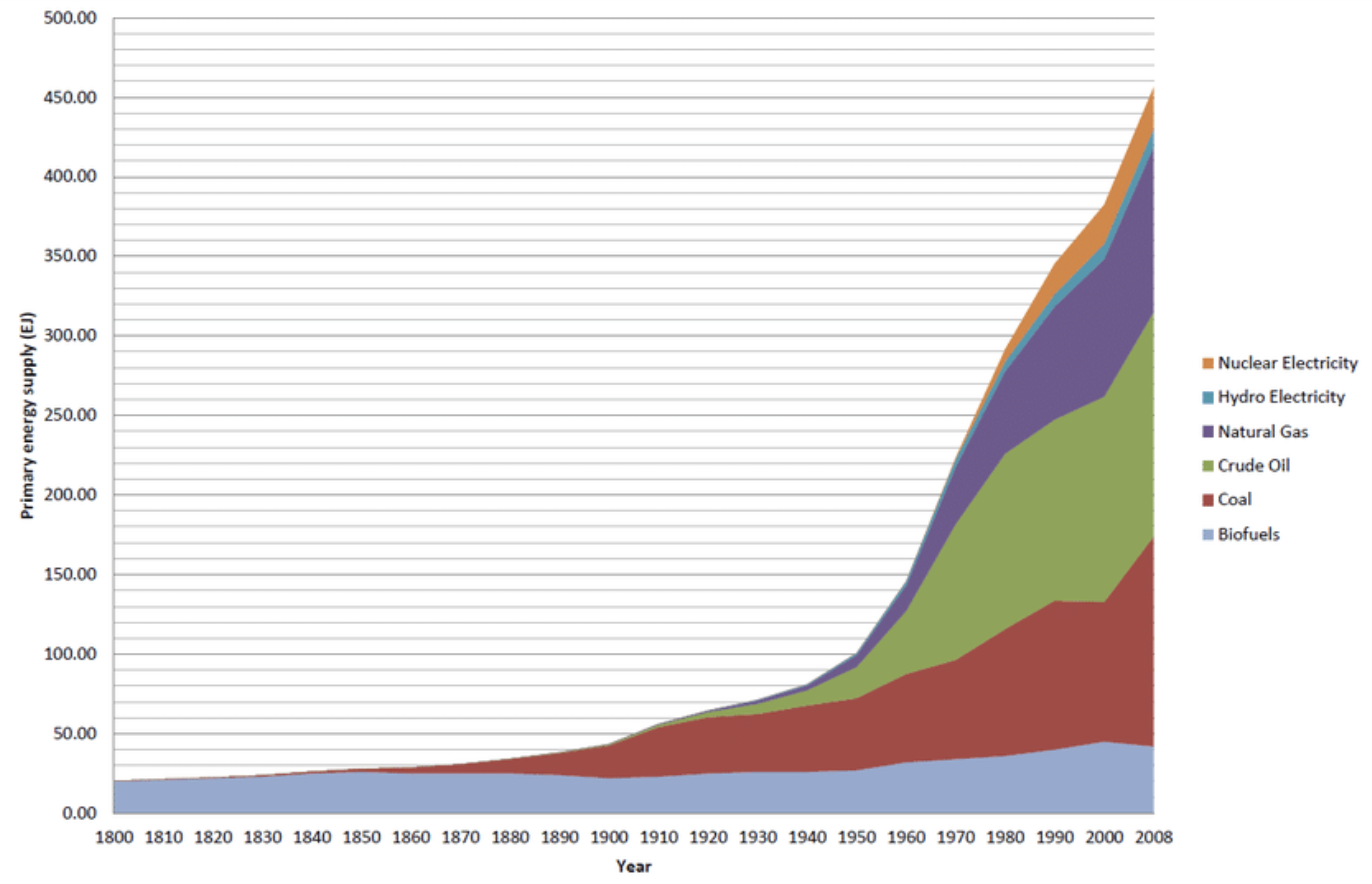
All solar, wind, geothermal, and tidal energy production—all divestment strategies, all national and international agreements, all the ecosystems destroyed, and all the global risk generated in pursuit of nuclear energy—all taken together has made no more than a negligible dent in the increase in year on year use of fossil fuels.27 This is equivalent to a rounding error.28 International climate action has not only resulted in undeniable failure—it has caused more complex problems and unmitigated damage as a direct result of its efforts.
Conflict, Drugs, Conservation, Animal Rights
The trend of failure even to slow the rate of increase in global problems is present in almost every domain of consideration.29 An abbreviated history of our broader attempts at solving complex global problems demonstrates how even the most well-resourced efforts not only fall short of addressing the problems they set out to solve; they often exacerbate the harms in their main area of focus.
- Due to innovation in nuclear weapons design and associated missile systems, the world’s nuclear arsenal is thousands of times more deadly today than it was at the beginning of the Cold War, despite decades of peace talks and agreements concerning disarmament and proliferation.30
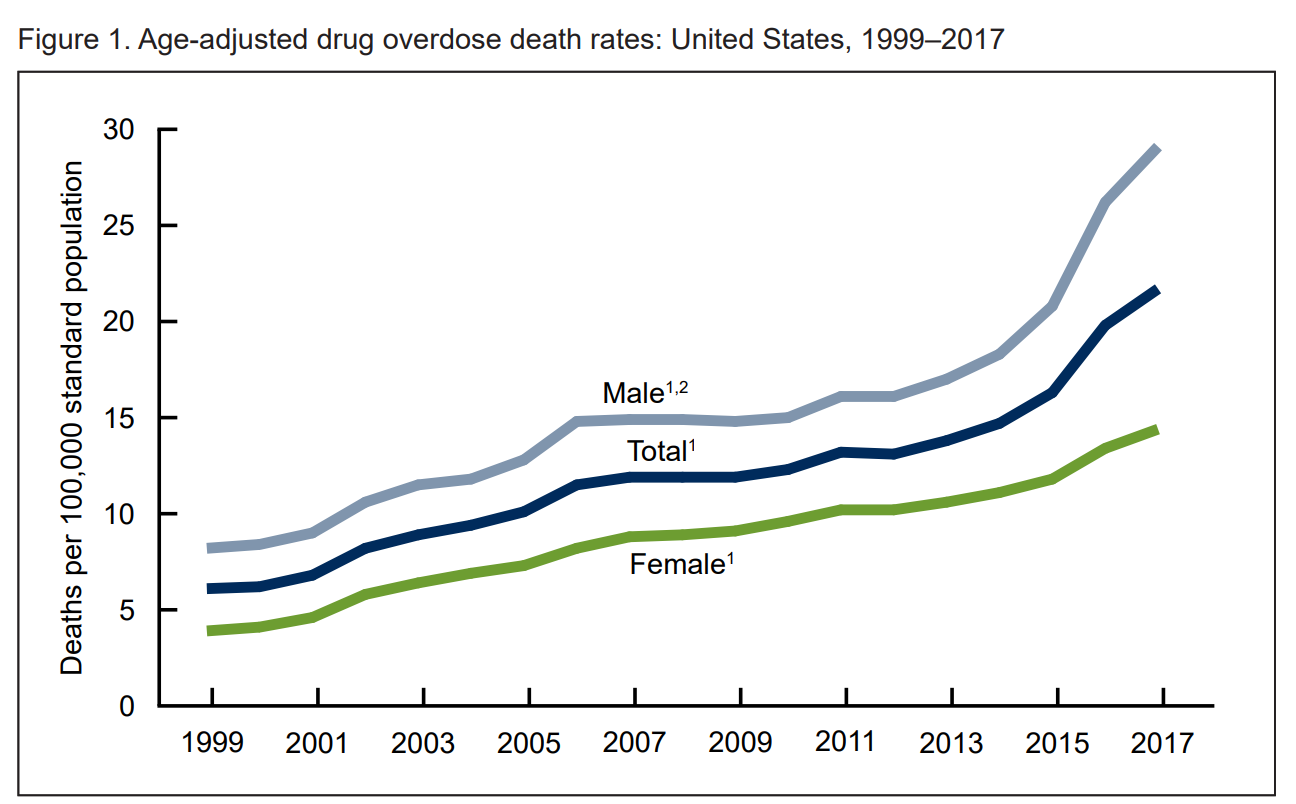
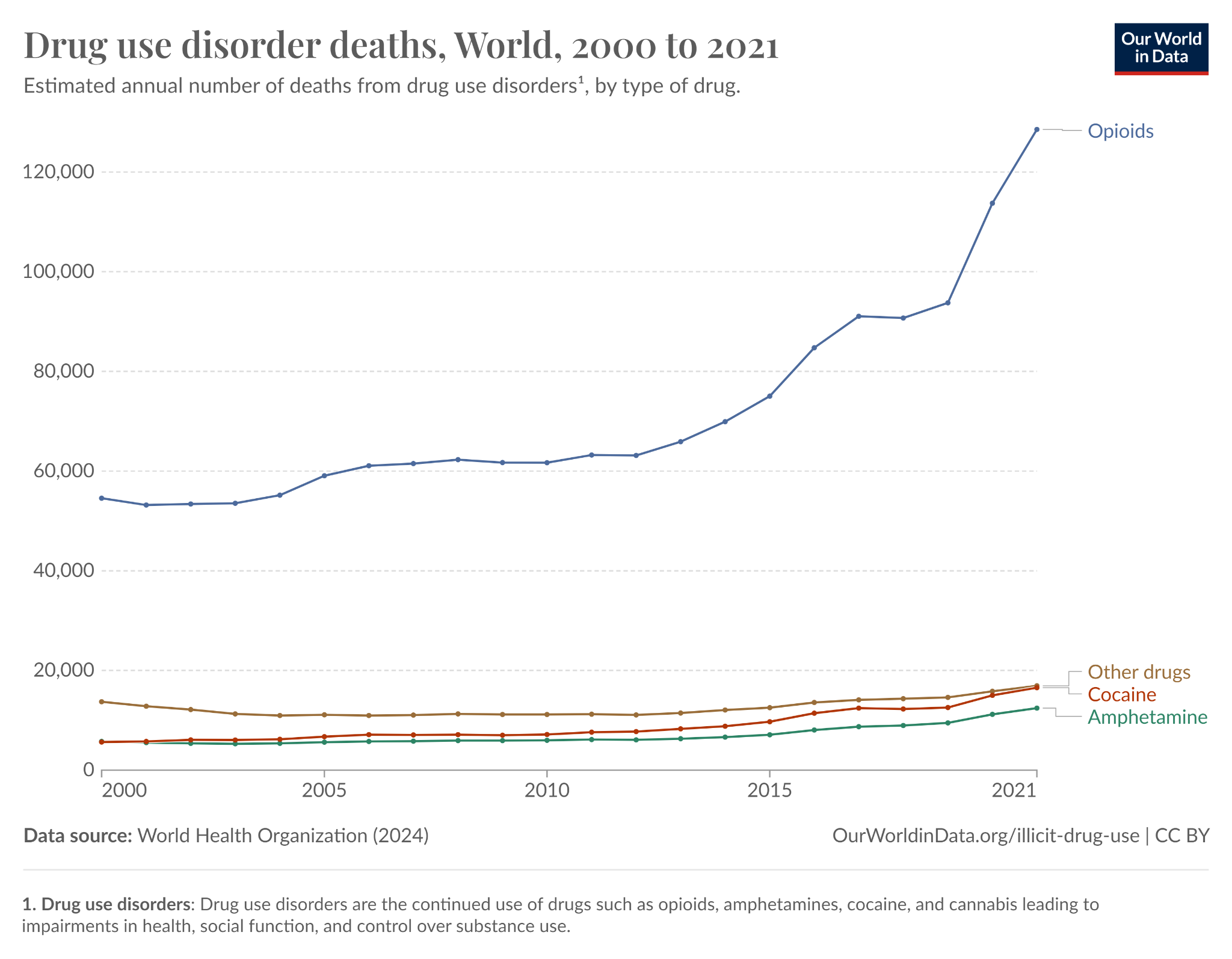
- Over a trillion dollars has been invested in the war on drugs since 1971, and yet drug addiction, fatalities from drugs, and crime associated with drugs have all continuously increased. Fentanyl overdoses alone killed over 110,000 Americans in 2023, which is almost twice the number of all the US soldiers killed in Vietnam over eleven years of war.31
- Despite trillions of dollars spent on the global war on terror and millions of deaths (of mostly civilians), the risks from terrorism are greater today than they were immediately following 9/11. This outcome is not simply in spite of the war on terror, but because of it.32
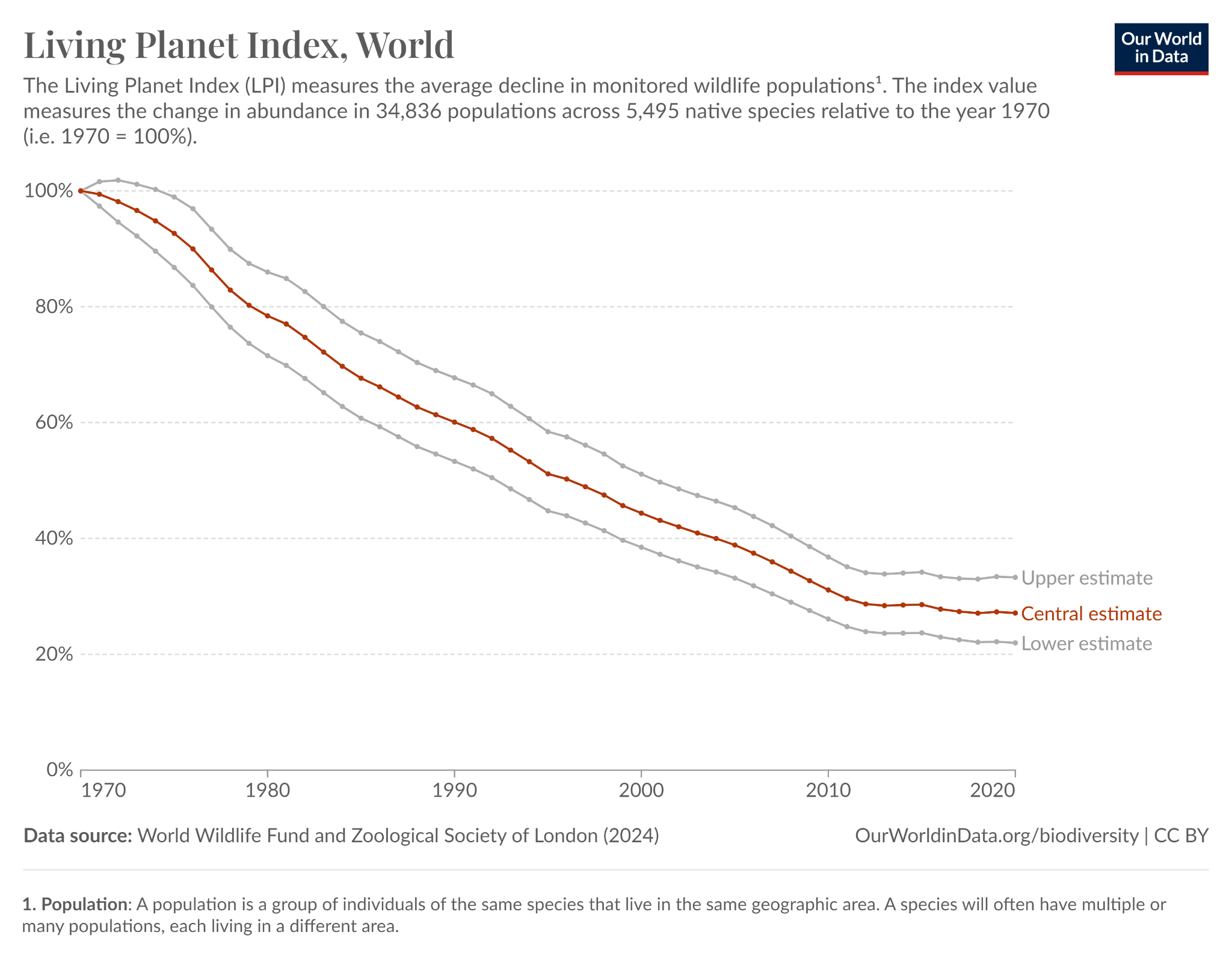
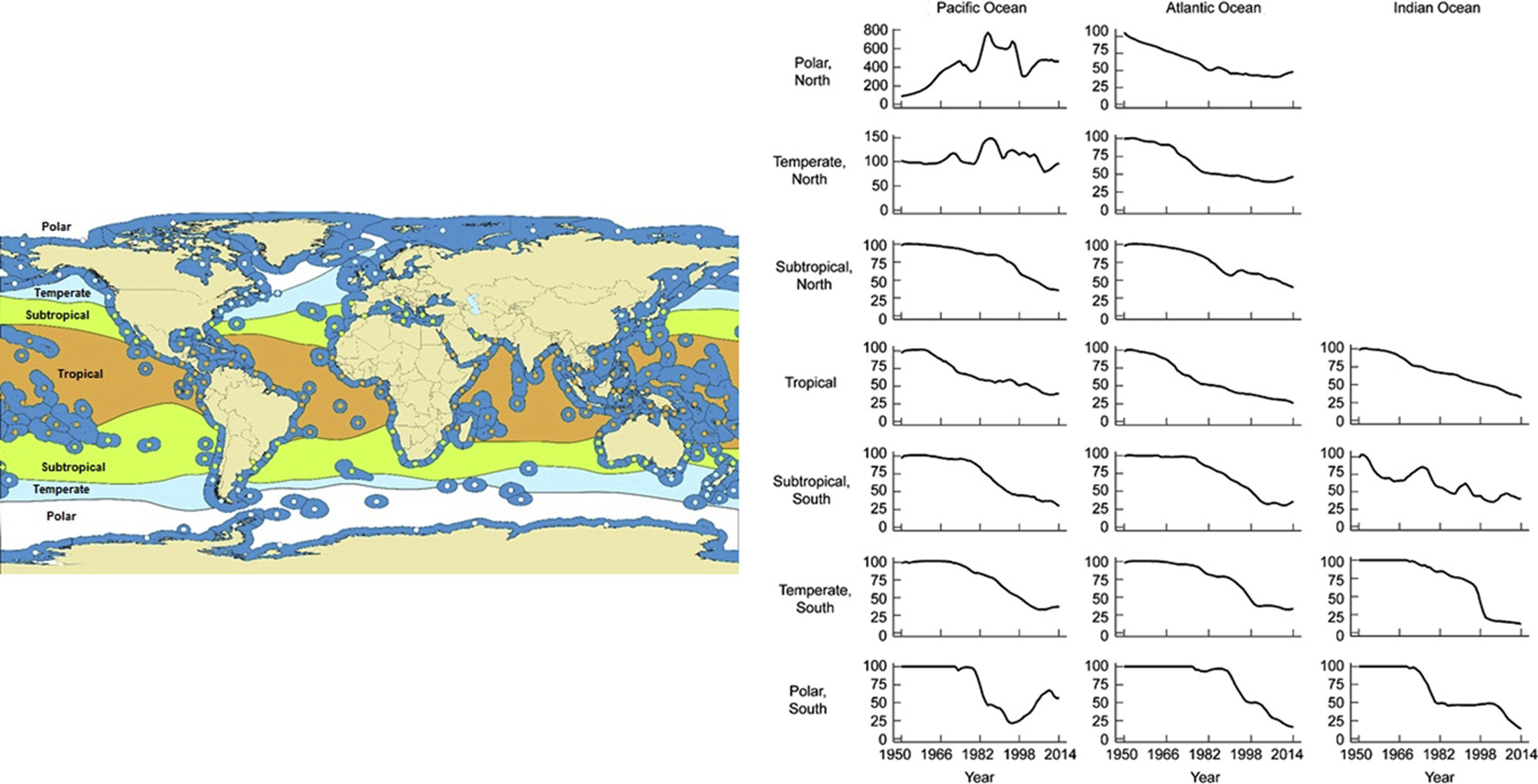
- Animals in the wild now make up only 4 percent of the mammal kingdom by weight (with 59.8 percent by weight in factory farms, and humans the rest), equivalent to ~3 kg per person on Earth.33 Despite all of the conservation work of the environmental movement, populations of most wild animals have decreased by 73 percent on average since 1970 (not accounting for all the species that are fully extinct, nor those never discovered). The Earth is primarily a water planet, and yet in the last hundred years of industrialized fishing, 90 percent of the large fish species in the oceans have disappeared.
- Millions of people have committed much of their lives to the animal rights movement, and yet despite the protests, media, and legislative efforts, there are more animals in factory farms each year than the year before. All the work of the vegetarian, vegan, and plant-based movements has not even slowed the increase in demand for inexpensive meat.
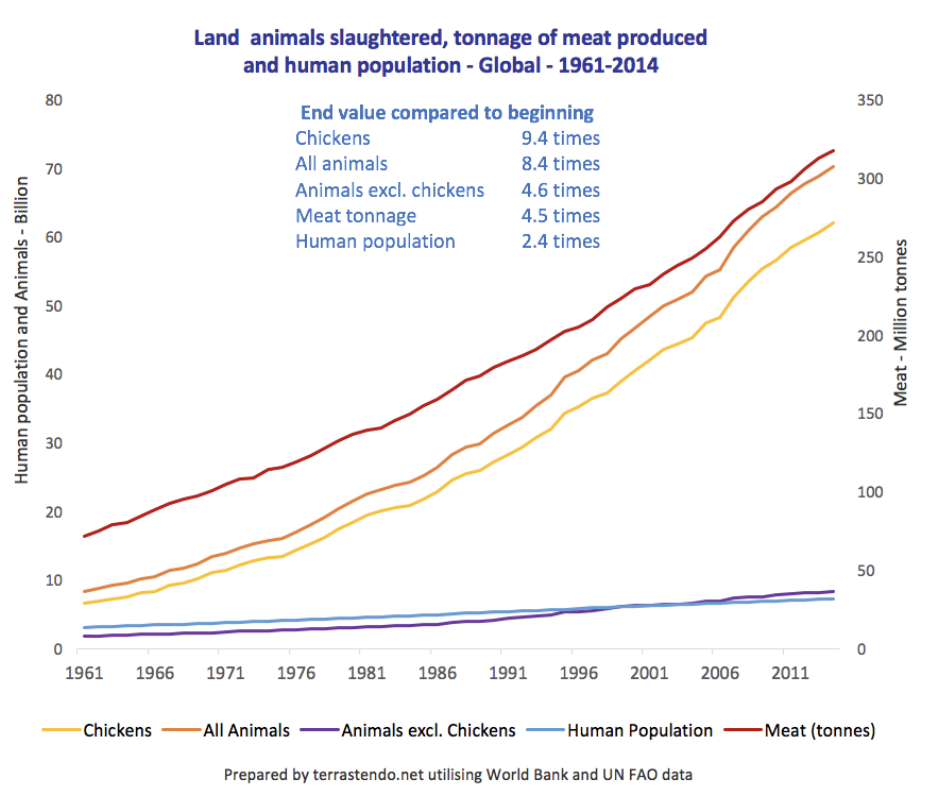
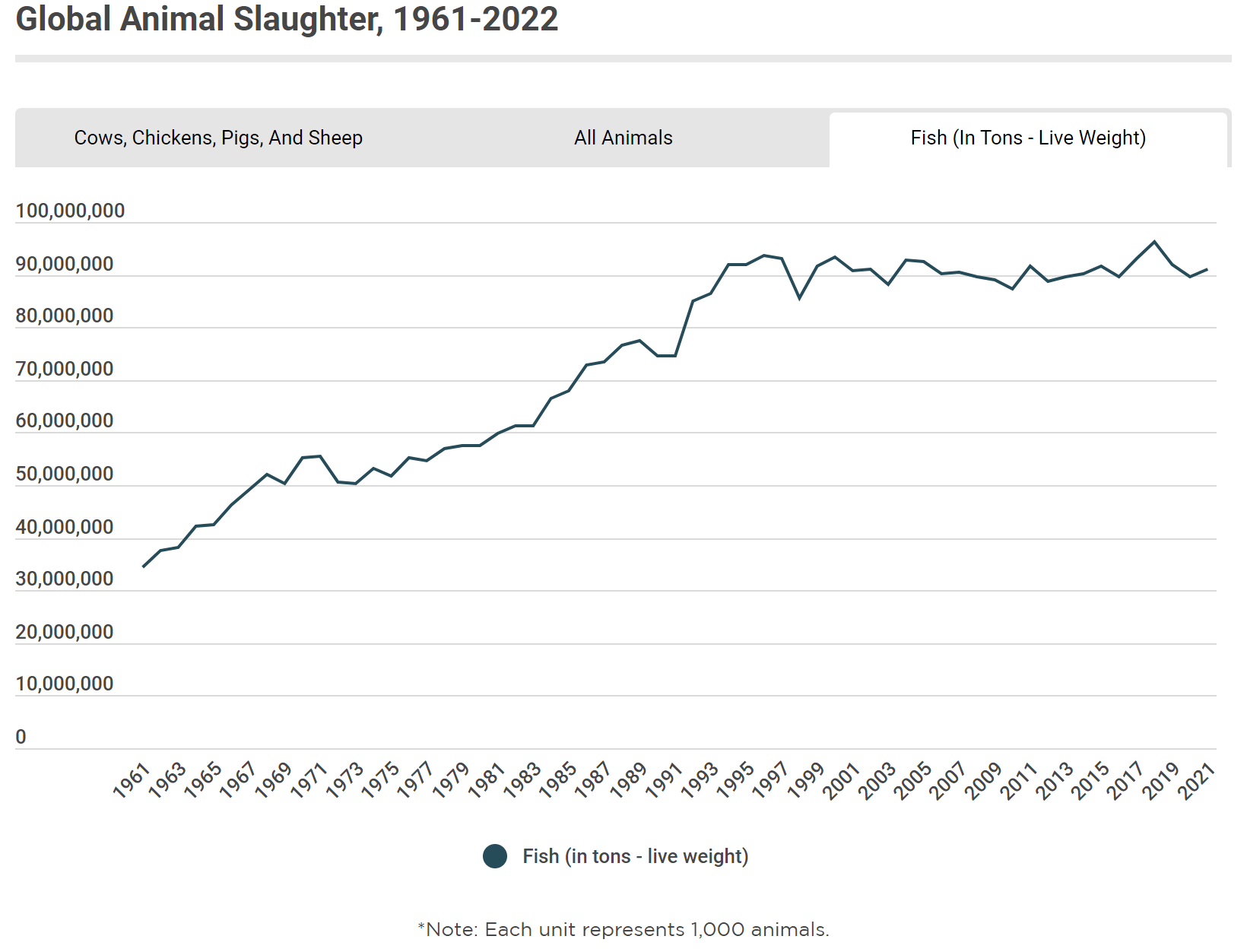
NGOs, social movements, educational programs, and national and international government bodies deploy the world’s collective resources, using best-in-class processes, and still each graph shows an upward inflection.
Not Just Ineffective, but Harmful
It would be reasonable to conclude that the processes deployed in the examples outlined above are simply ineffective. This would be a mistake. In fact, our best efforts have been net harmful. Below is a brief list of examples of net harmful solutions across a number of the greatest problems of the last hundred years, including global conflict, energy, climate change, and geopolitics.
- Cold War agreements on nuclear non-proliferation simply moved the competition from the number of warheads to the capability of delivery systems.34 While the world was focused on the challenge of nonproliferation, both sides were engaged in full arms races to advance strategic missile systems, including hypersonics, multiple reentry vehicles, precision targeting systems, bunker busters, and air- and ocean-based delivery. Now there are exponentially more possible launch sites, radically fewer effective defense techniques, as well as far lower potential response times.35
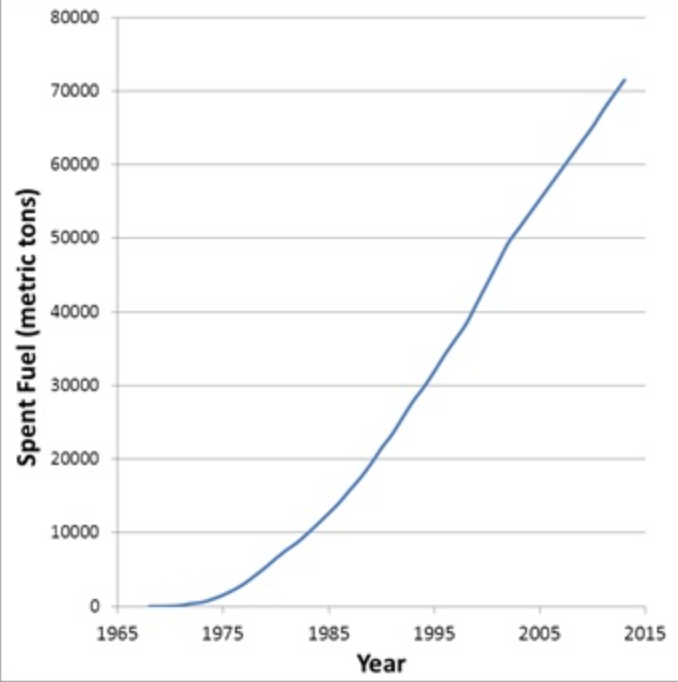
- Nuclear energy creates many types of unprecedented risk, including from failure, the need to manage poisonous radioactive waste forever, the possibility of plants being targeted in war as a new type of weapon (which can now be achieved even via cyber attack), increased uranium enrichment and the associated weapons risk; and given these risks, the need for a more powerful global surveillance state to monitor them. Maybe technologies such as nuclear, hydropower, and biofuels would have been worth their complex costs if they had decreased fossil fuel use, but they didn’t. Not only did fossil fuel use grow, but it grew from sources that are far more polluting, such as fracking and tar sands.
- Climate change has been a major driver in the development of alternative energy technologies. While failing to lower fossil fuel demand, or even slow its growth, these technologies have created their own environmental and violent conflict issues.36 Each new renewable energy plant requires vast quantities of energy for construction and operation. The energy consumed in this process amounts to years or even decades of its own energy output.37 The material and new global infrastructure needs (including batteries, long-distance transmission lines, transformers, etc.) create substantial mining and manufacturing demand—possibly beyond estimated reserves for several key minerals—with the associated environmental damage and increased political tensions around mining assets (which have often led to war, regime change, and associated atrocities).38
- The biofuels movement caused an increase in the use of agricultural chemicals and the conversion of wild lands to agriculture. Hydropower destroyed ecosystems and migration pathways, and created major geopolitical tensions where rivers were shared by nations.39
- The social justice movement led directly to the current “anti-woke” movement as a counter-reaction. The main result is increasing political tension—not the shared enlightened views that the social justice movement originally intended.40
- A part of the broader feminist movement promoted equality in the right to join the workforce and earn money. Alongside concurrent economic changes (which further necessitated dual-income households), this drive for equality in the workforce—co-opted by the market—contributed to a world in which most children are not raised by their parents, but instead by others, who are paid relatively low wages to care for them (and who rarely love them in quite the same way). The complex outcomes that flow from this shift in parenting roles occurs not only at the level of the individual and the family unit, but across generations, affecting all sectors of society.
- Part of the public narrative regarding hormonal birth control rested upon the idea that its fundamental aim was to empower and liberate women, yet it has increased population-wide mood and psychiatric disorders, breast cancers, divorce rates, and broken families, and contributed to the erosion of male virtue and the rise of toxic pick-up culture.41
- Population restriction programs of the twentieth century, such as those in China and India, were implemented within cultural contexts of strong familial preferences for sons over daughters, causing a major skew in the natural ratio of males to females across an entire continent. Now, there are over a hundred million “excess” males without partners, resulting in society-wide increases in crime, violence, and loneliness, destabilizing social cohesion.42
- The international response to World War I involved the strict punishment of the German people, which played a major role in the reactive rise of German fascism, and was both one of the primary drivers of the rise of Nazism and a direct cause of World War II.
- The unprecedented death and destruction of World War II led to the formation of global governance bodies like the UN, which subsequently generated widespread concern regarding the potential for global totalitarian control and a backlash to regressive nationalism.43 Two years after its founding, the UN agreed to the Partition Plan for Palestine, allowing for the creation of the State of Israel as a safe place for Jewish people, with the immediate result of several consecutive wars in the region. The increased religious tensions, hostility, and fighting in the Middle East, from 1948 spanning several generations to the present day, are beyond any historical precedent.44
- The principle of Mutually Assured Destruction offered a degree of protection in a world with only two nuclear powers. In the years since the end of World War II, the nuclear arms race has continued to orient nation states towards primarily offensive rather than defensive approaches, leading to a substantially more dangerous multipolar nuclear world in which MAD no longer works. While a common line of reasoning suggests that MAD was necessary to prevent earlier nuclear war, what is known for certain is that the world exists now at a higher level of nuclear threat than ever before, with more nuclear-armed states, shorter response times, and in a less secure planetary context (with over three times the global population, diminishing natural resources and a severely degraded biosphere). There were many other approaches suggested for the post-war world. The degree to which vested interests—such as those represented by the military-industrial complex—influenced the choices made at the time should not be underestimated. These interests foreclosed other choices, perhaps oriented more toward peace than total dominance.45
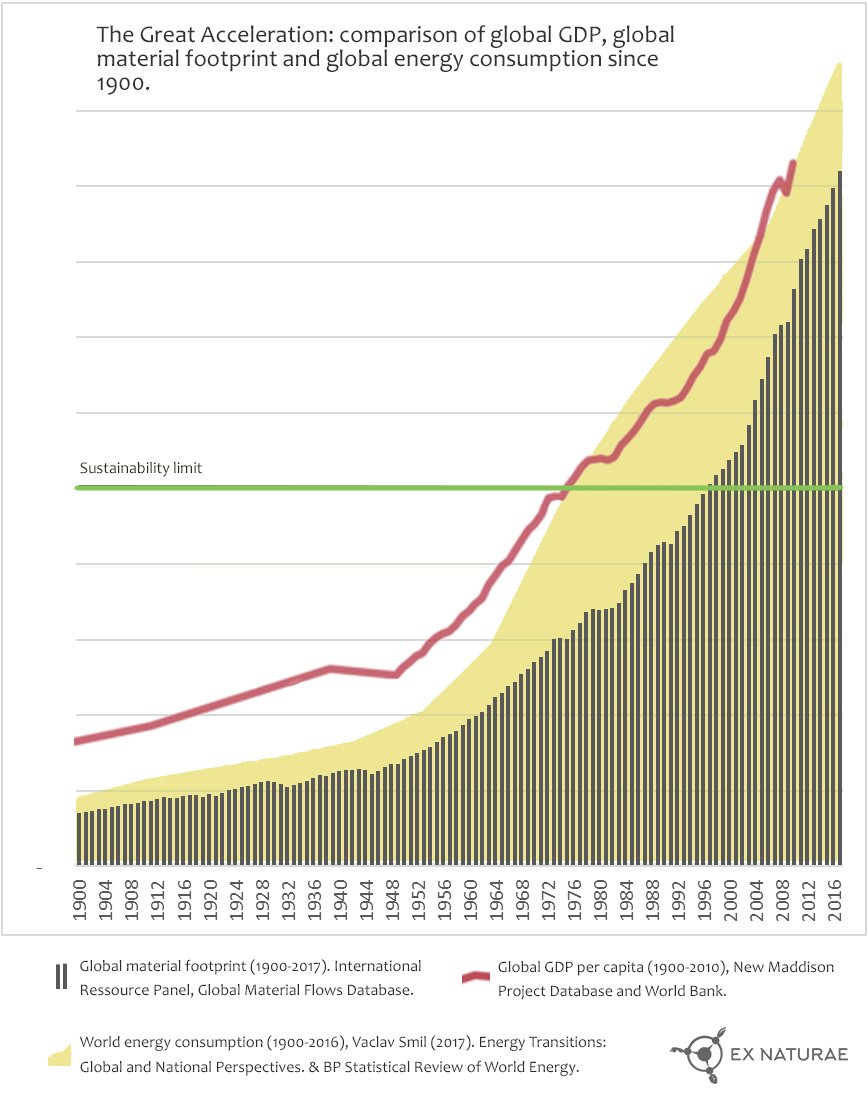
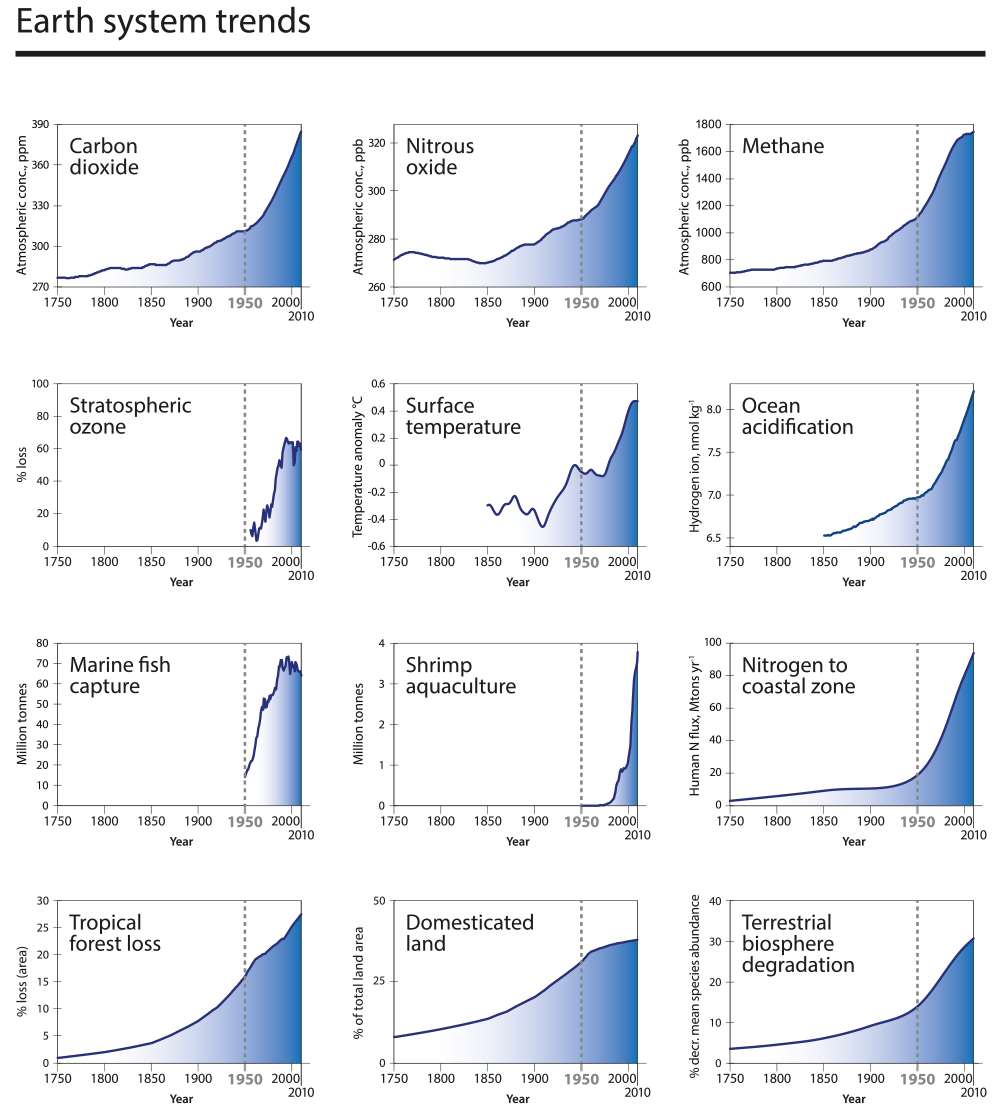
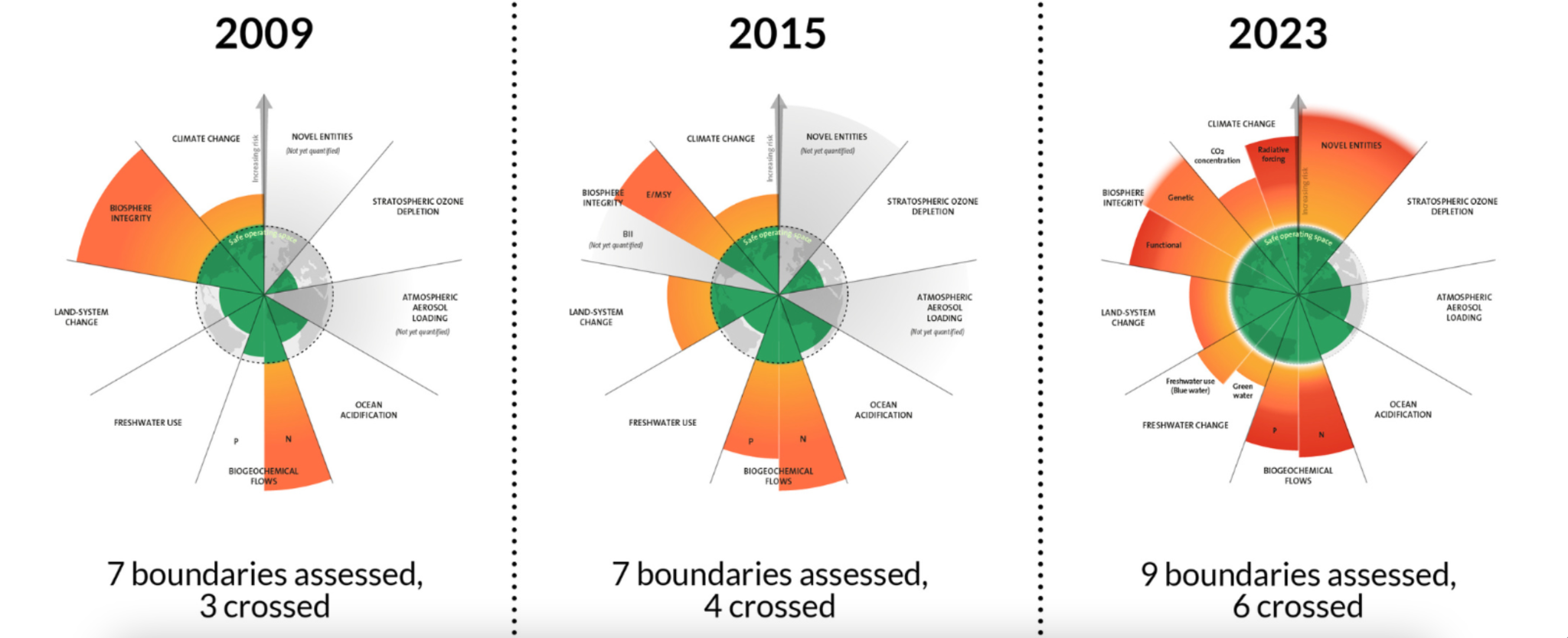
- The solutions to World War II have been among the most significant accelerants of the metacrisis: globalization, aimed at generating interdependence and preventing future global conflict, has led to cascading global fragilities, the erosion of local sufficiency, and the externalization of many environmental, human health, and psychosocial costs. The primary goal for civilization was determined to be economic and material growth; the global financial system enabled each major power to grow its own GDP without needing to take it by force from others. It is this dynamic that has delivered most of history’s environmental destruction and brought humanity to its present situation, in which the majority of critical planetary boundaries have already been crossed.46
- Karl Marx wrote a detailed and important critique of the power abuses implicit to capitalism.47 His work was used by Stalin,48 Mao,49 Pol Pot,50 and the other communist takeovers that led to the brutal and unnecessary deaths of over 100 million people.
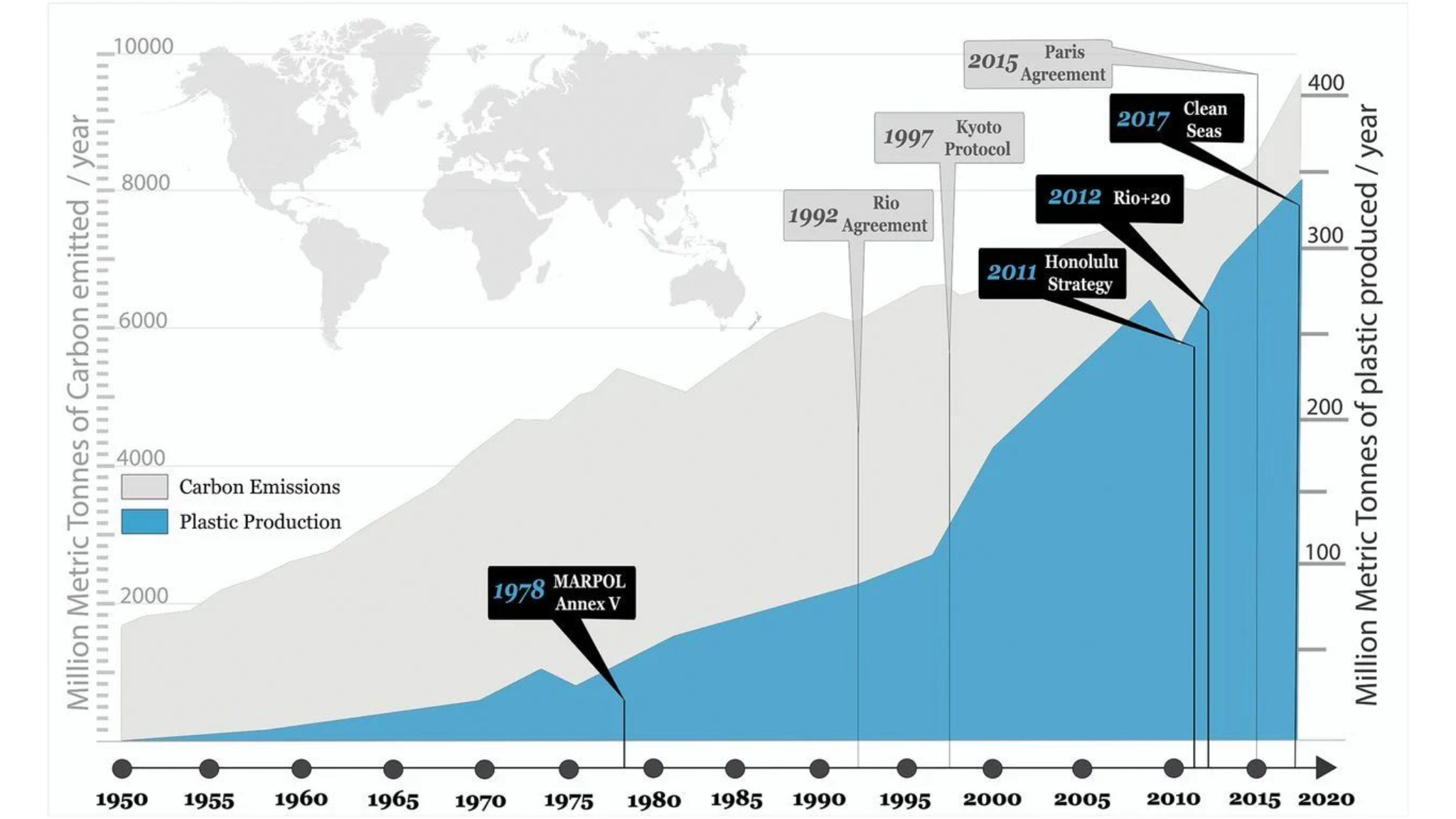
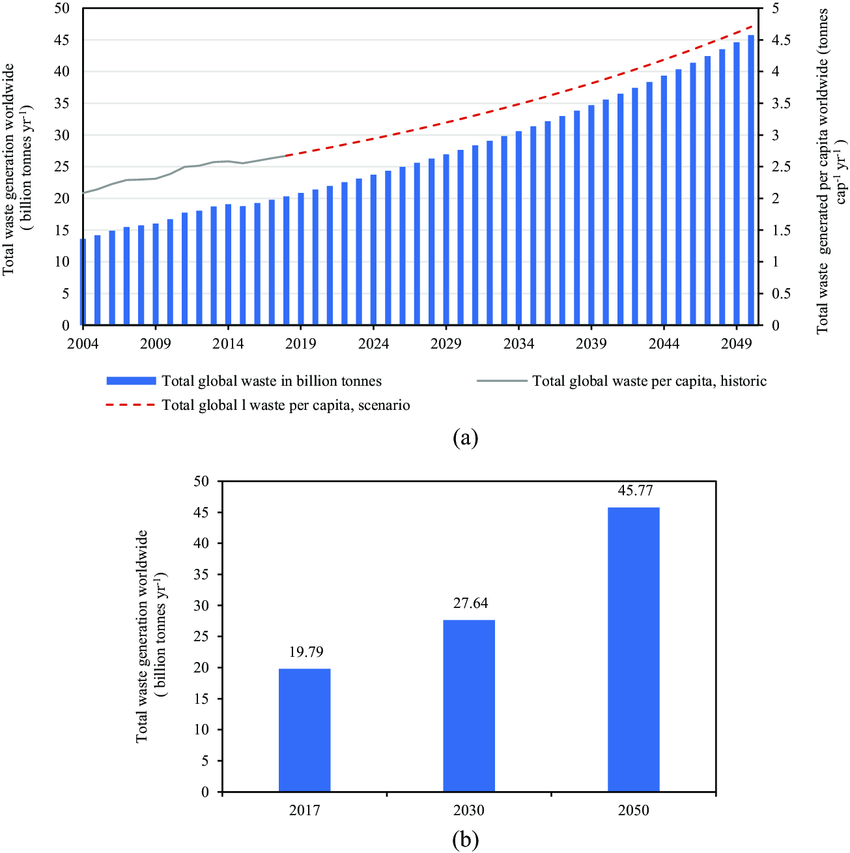
Further Relevant Examples
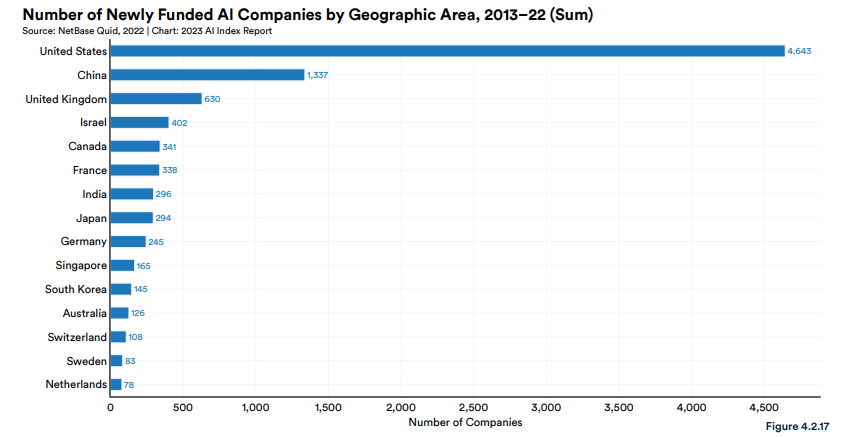
- OpenAI was created as a nonprofit with the mission of preventing risk from market-driven AI, endowed with a starting grant of $100 million from Elon Musk. After hiring top talent for this purpose, it switched to a for-profit company competing to win the AI race, radically accelerating the risks from market-driven AI. Claiming concern about that change, Anthropic broke off from OpenAI to focus on real AI safety work, only to end up taking $450 million from Google, then billions of dollars from Amazon, rapidly becoming another competitor in the market race for AI dominance. The pattern is so stark that the joke in the AI risk field is that the fastest way to accelerate AI risk is to start a nonprofit dedicated to solving it.
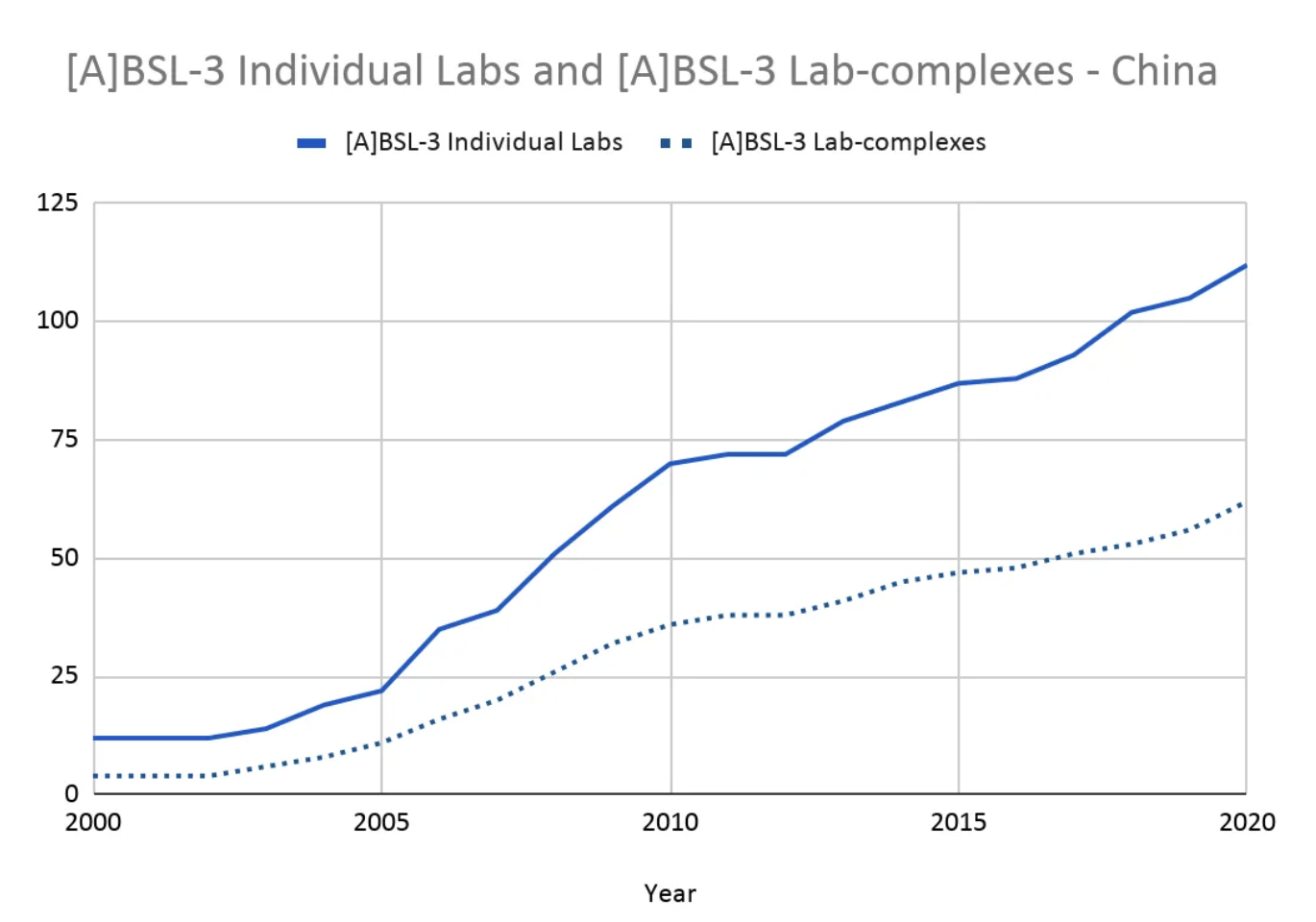
- It is now acknowledged that there is a very real possibility that Sars-Cov-2 was leaked from the Wuhan Institute of Virology lab, where it was being developed to create anticipatory solutions to prevent pandemics. A major portion of the harm caused by the COVID pandemic stemmed from the institutional response, including lockdowns, school closures, and travel bans, which impacted agricultural supply chains, moving 100 million people into food insecurity.52 These institutional responses also increased rates of domestic violence, destroyed a third of US small businesses (driving that business to Amazon and other large corporations instead), radically increased wealth inequality, created new records for youth suicide and drug overdose deaths, damaged the education of an entire generation, and probably did more to polarize politics than any event in recent history. The post-pandemic institutional response focused on increasing the number of labs conducting dangerous gain-of-function research, which itself arguably represents the single greatest existing pandemic threat.
- The Eastern Chestnut tree was driven to functional extinction in the 1940s as a result of intentional arborist work aimed at helping tree breeding programs.53 The work introduced an invasive species, leading to fungal blight. The Eastern Chestnut tree alone produced a hundred times more food calories (edible by both people and wildlife) naturally than all US-based industrial agriculture does today (with no fertilizer, pesticides, deforestation, or human or domesticated animal labor necessary).54 The narrative that it would not be possible to feed all people on Earth without industrial agriculture is, to a significant degree, propaganda and apologism.55 This one fungal blight harmed many other tree species that had stabilized the ecosystems and provided food and hardwood. The scale of ecological ruin we have caused from our attempts at environmental management is difficult to comprehend.
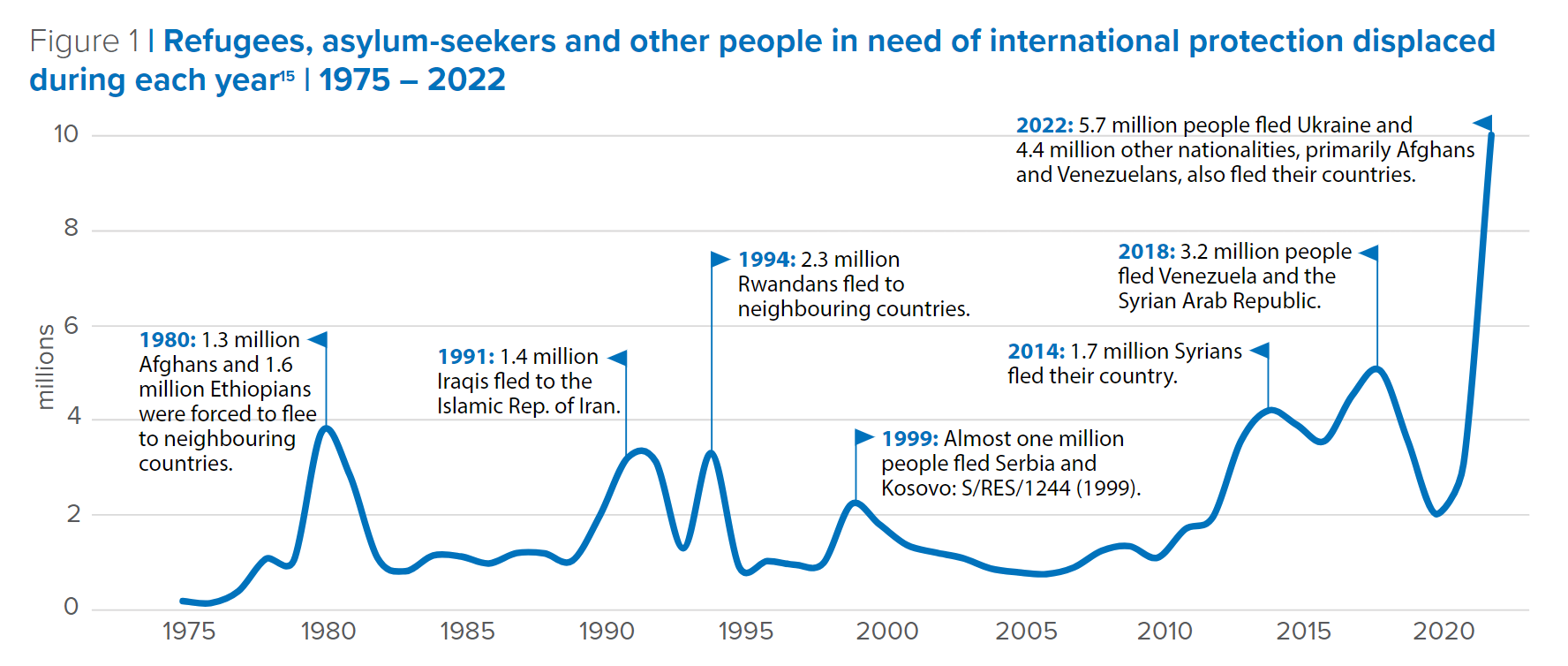
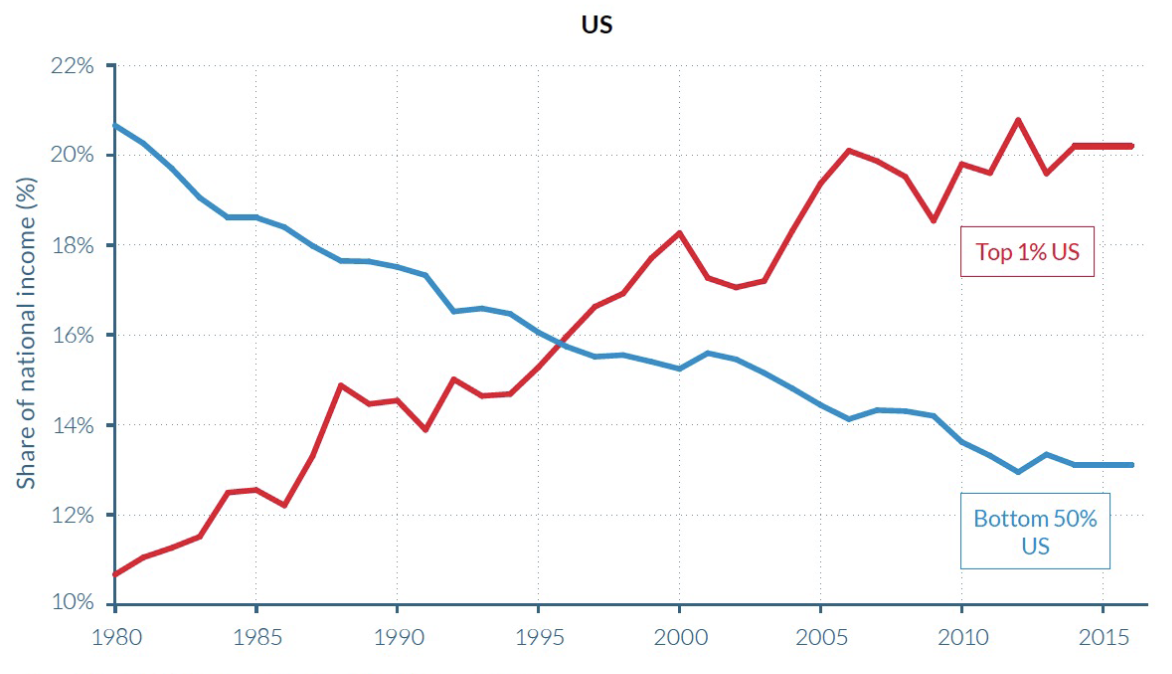
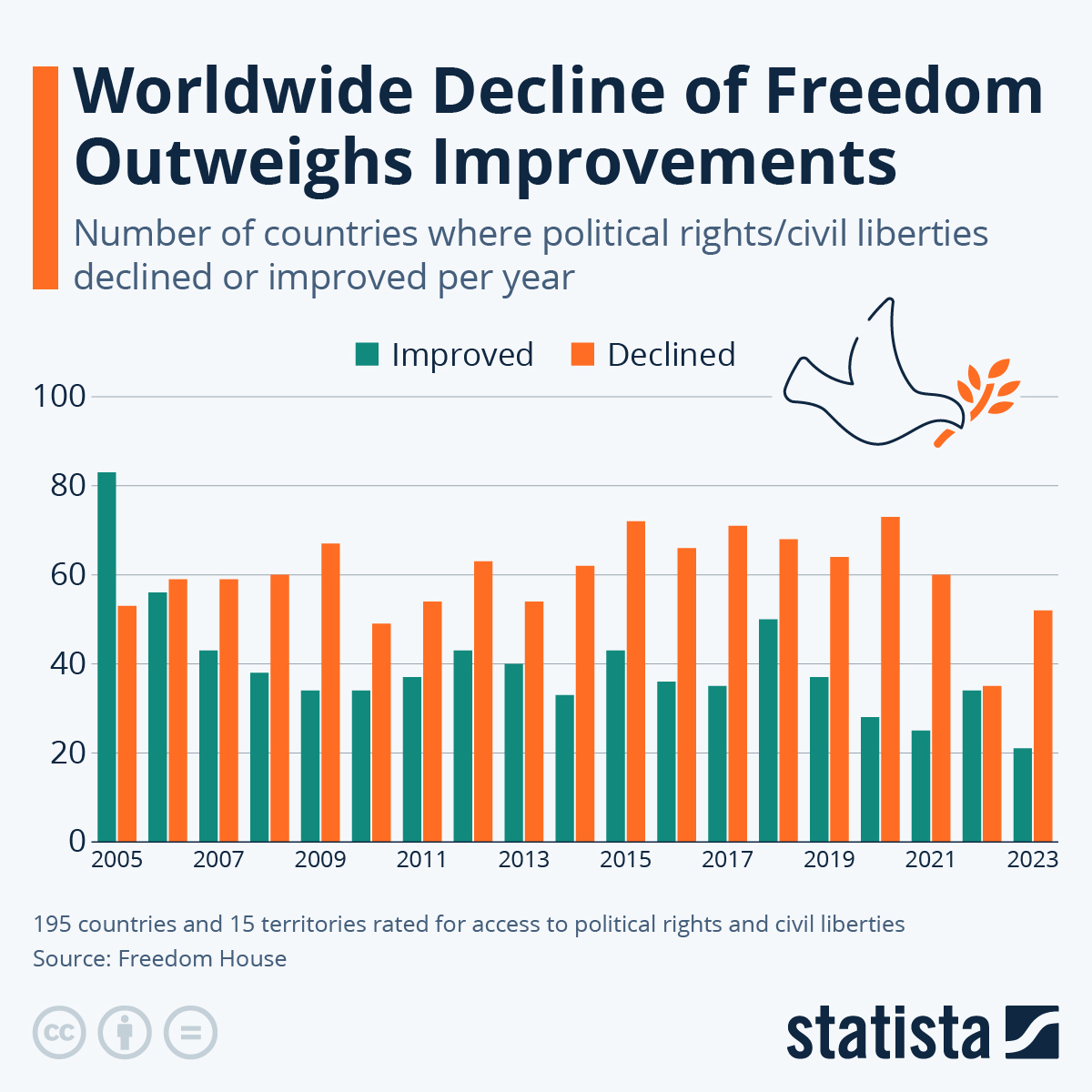
- Economic inequality is rising in most countries, and 71 percent of the world’s population now live in nations within which inequality has grown. The total number of people living in extreme poverty today is roughly the same as it was in 1800. The number of forcibly displaced people is at an all-time high and steadily increasing, having doubled over the past decade. Democracy has been on the decline globally in recent years, and the number of countries experiencing setbacks in democratic processes increased from thirteen to forty-two between 2002 and 2022. The absolute number of people living in autocracies has been rising since around 1950. For the first time in two decades, the world now has more closed autocracies than liberal democracies. Today, it is estimated that around 70 percent of the world’s population lives under autocratic rule.
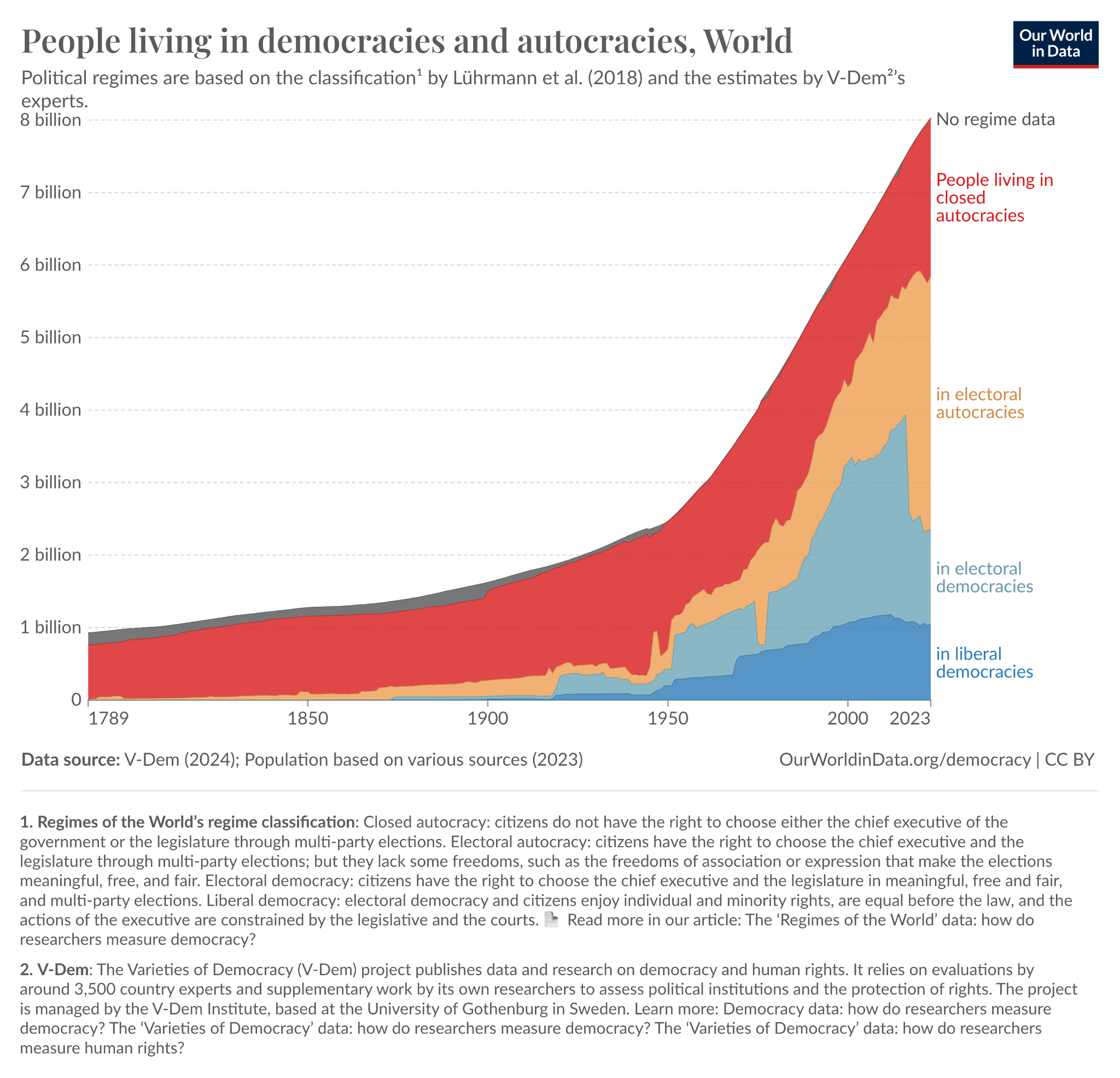
The above list is partial and incomplete, and could be expanded to include examples in every domain of human activity. For any group interested in delivering meaningful success in the context of significant global problems, a valuable exercise would involve analysis of various proposed future strategies for world betterment (e.g. addressing climate change, improving governance, addressing poverty, etc.) and exploring both why and how they will likely fail and cause harm, as a result of their design, in order to factor such failure modes into iterated designs until an approach that is actually effective is identified.
Good Intentions Driving Negative Outcomes
Despite the examples listed above, many other projects aimed at world betterment appear simply ineffective, but not necessarily harmful in any way. Deeper analysis often reveals harms that are otherwise missed in assessment of a project’s overall effectiveness.
It is often the case that attempts to address a problem fail due to opposition from those with vested interests in the cause of the problem. When a more capable opponent has an interest in the cause of a problem persisting, any well-intentioned group attempting to solve the problem tends to fail to achieve their goals. This is a remarkably common dynamic. If the solution-seeking group does not have adequate means to engage and win in an enduringly robust manner, the primary outcome is to simply upregulate the opposition in terms of their awareness and capabilities, which leads to a counter-response and comprehensive loss, leaving the problem worse off than if no action had been taken in the first place.
For example, the Civil Rights Movement motivated the FBI to increase their capacities of surveillance, spying, infiltration, and other tactics that ultimately prevailed in their initial aim.56 These new capacities continued to exist and be deployed under other circumstances, long after the end of any real threat to the government from the civil rights groups. In these cases, a reasonable analogy is that of a vaccine: the activist group “vaccinates” the current system, presenting tactics that might be used against it, so that the system can upregulate its defenses. Today, there are more laws than ever protecting corporations and their directors from class action lawsuits, which minimize other methods of addressing accountabilities and liabilities—largely due to previous activist or regulatory approaches.57 A brief list of further examples of this dynamic is provided below.
The Best Exemplars: Upregulating Opposition
- The activist success in banning harp seal poaching in Canada only lasted a few years; when the activists moved their attention to other issues, the legislation was overturned and more protections for poachers were put in place. It is common for wins of this nature to be reversed in a way that ultimately leads to worse outcomes overall.
- The revolutionary war to found the United States was primarily fought over issues of taxation without representation and centralization of power in the financial system. This is why the constitution made no reference to federal income tax, and stated that the power of coinage should be held by Congress. In 1913, the Sixteenth Amendment created federal income tax on labor and wages, and the Federal Reserve Act created a central bank, fundamentally undermining the primary goal of the system of government according to original intent. Many of the critical civil liberties enshrined in the Constitution have since had legal paths created to route around them when desired (including for example the Patriot Act and the Homeland Security Act).
- In one of the very few examples of an effective process to address government corruption, the 1975 Church Committee investigated gross abuses of power by the CIA and actually reigned in some of its power.58 In the years since, almost every limitation imposed by the Church Committee has been overturned.59 Given advances in technology and more compartmentalized classification, the intelligence community is more powerful and less regulatable now than ever.
- During the Cuban Missile Crisis, a number of senior officials in the Department of Defense wanted to invade Cuba and prepare for war with the USSR. Against significant military opposition, JFK denied those directives and concluded that the nuclear missiles the US had previously placed in Turkey (on the USSR border) must be removed. After secret diplomacy and negotiation, Khrushchev removed the Soviet missile systems from Cuba, and nuclear war was averted. Historians consider it a real possibility that the war in Vietnam may never have happened if Kennedy had not been shot.60
- The lives and deaths of many other public figures—including Martin Luther King Jr., Gandhi, Jesus, and Socrates, for example—reveal a common theme: When anyone is being genuinely effective at taking action against the interests of power, power responds, either by removing the threat directly or by co-opting and weaponizing their work. A similar dynamic is not evident among the most influential people in positions of institutional and industrial power.
- As touched upon in the preceding list of examples, Marx’s critique of systems of power and violence were used by others to make a range of highly effective systems of power and violence.
- Albert Einstein was a dedicated and vocal pacifist. His scientific discoveries (among others’) were used to make the most destructive weapon of all time.
- Jesus famously said “Let anyone among you who is without sin be the first to throw a stone.”61 Later, in his name, hundreds of thousands were burned alive at the stake as witches, tortured in the Inquisition, and millions more killed in the Crusades.62 Jesus also said “[I]t is easier for a camel to go through the eye of a needle than for someone who is rich to enter into the kingdom of God,”63 and “Blessed are the meek, for they will inherit the earth.”64—and in worship of him, the Vatican is plated in gold.65
But What About the Real Successes?
Maintaining our world in the presence of powerful new technologies—in the context of our complex, interdependent global civilization—requires an incredible amount of forethought, planning, and energy.66 It is critical to acknowledge that the majority of the work in the world should be in the domain of maintenance. While we could do radically better in this domain too, it is the nurses, teachers, firefighters, farmers, and municipal workers that keep the world running and people’s needs met. This success should be more widely acknowledged.
Beyond maintenance, in the domain of improvement, the successes across all sectors are typically defined too narrowly. When humanity makes new scientific discoveries, new inventions, new laws, and new gains in efficiency, we are commonly solving problems in a way that creates worse problems down the line. If an earnest effort is made to account for all second-, third- and nth-order effects, it is often the case that these cannot be considered as real world-improving successes.67
Many of the primary exemplars of success are to a significant extent propaganda, including (for example) public education driving an improvement in literacy.68 In this case, modern education is commonly presented in comparison to outcomes on the basis of no modern education at all, when in reality contemporary pedagogical approaches replaced both tribal and guild education processes, the loss of which includes immense tracts of knowledge, wisdom, and capacity—all of which is now gone and written out of history.69 70 71
So What Does Count as Real Success?
- Guinea Worm Eradication. An example of a genuine and laudable success is the eradication of Guinea worm. This success required many decades of work, as well as the priority focus of a retired US president (Carter), with the support of the World Health Organization, major NGOs, and many other nations and organizations. While it is true that in comparison to rates in antiquity, Guinea worm was significantly exacerbated through the effects of colonization, it was nonetheless a major source of addressable human suffering. The solution was low-tech: education, basic water filtration, and hygiene.
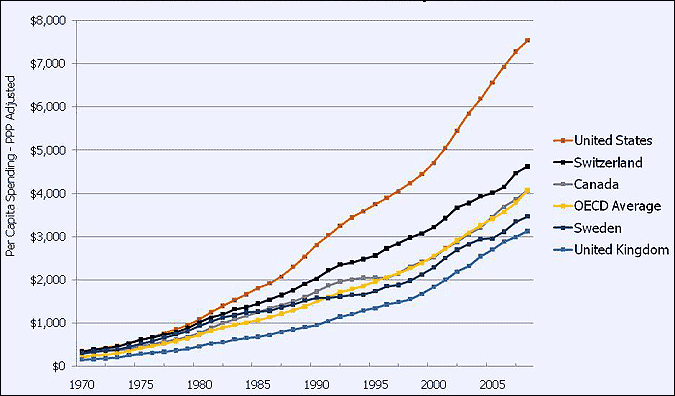
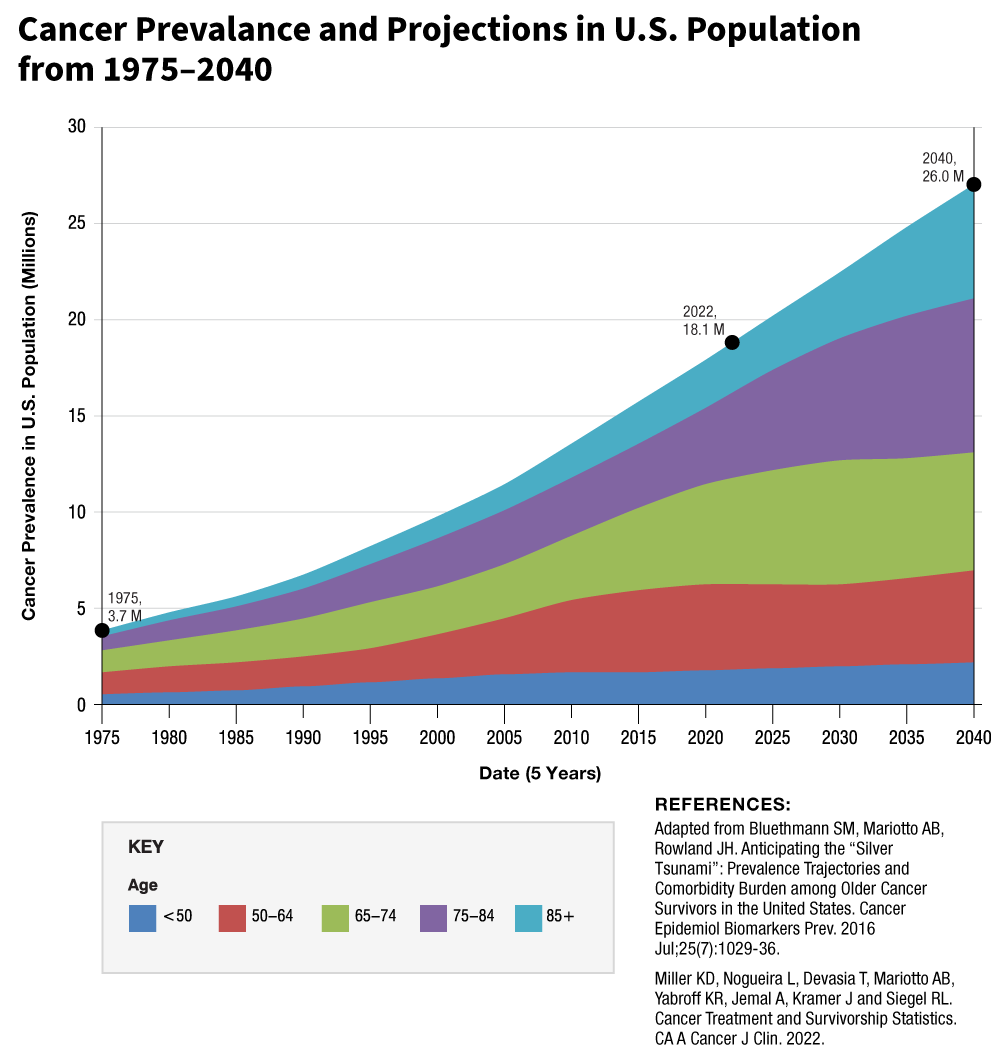
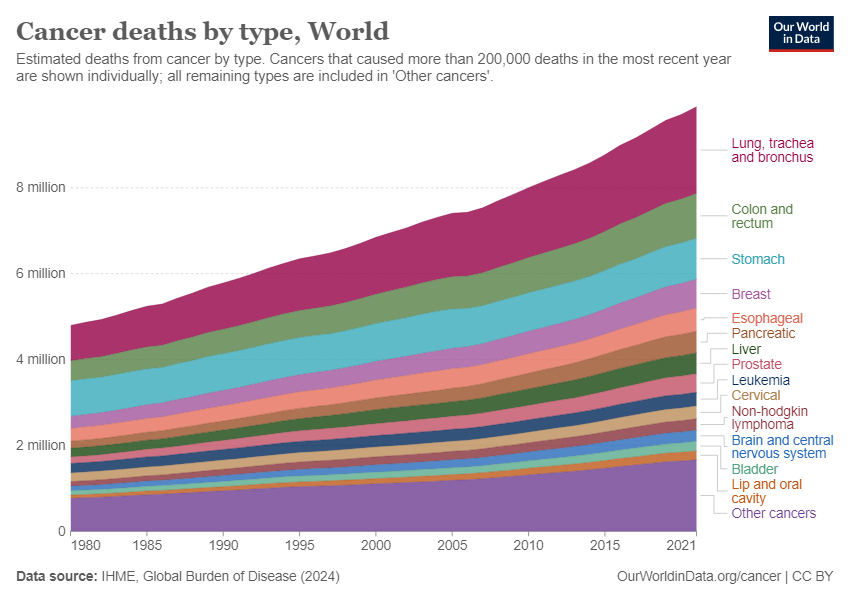
Unlike the major developed-world diseases (such as cancer, diabetes, heart disease, etc.), Guinea worm was not the result of a major profit center for any particular group, nor was its treatment a major profit center; as a result there was no major vested interest opposing the solution. For comparison, US healthcare spending alone is $4.8 trillion per year, with over $200 billion on cancer treatments, $14 billion just in annual not-for-profit cancer research ($24.5 billion globally), despite an estimated global economic cost of cancer exceeding $25 trillion over the next thirty years. Obsoleting the cause of cancer with a low-tech, unmonitizable solution would remove all that revenue. At the same time, increasing rates of early-onset cancers, affecting successively younger age groups with each generation, may be attributed significantly to ubiquitous carcinogenic toxins from the $5 trillion-dollar per year chemical industry, $2 trillion-dollar per year processed foods industry, and $1.6 trillion-dollar per year pharmaceutical industry, as well as the global air pollution endemic to modern industrialized economic activity.72 A genuine solution to cancer would undermine all those profits. Treating Guinea worm had economics on its side, in part because a resultant increase in the labor pool was desirable for vested interests.73 Another similar example is the campaign work to encourage condom use to prevent the spread of HIV; this too did not need to provoke any major vested interests.
Issues tend to be more addressable when they can be solved without impacting any major profit streams, restricting the power of any major actors, or bringing to light any crime or malpractice. Despite these limitations, there are still many problems of this type that remain unaddressed, simply because they do not receive anything like the full attention of a retired US president. For instance, there are more than 100 million undetonated landmines leftover from previous conflicts around the world.74 One is detonated on average every thirty minutes, killing and injuring hundreds of thousands of people every year—nearly half of whom are children.75 At the current rate of landmine clearance (factoring the combined work of the UN, Red Cross, local governments and NGOs), it will take several hundred years to clear them.76 This is an issue that could be addressed significantly faster with the right dedicated attention, given that there are no major powers vested in opposing it.
An example of typical outcomes in the presence of vested interests is evident in the case of banning chlorofluorocarbons (CFCs). DuPont, the major CFC manufacturer, resisted recognizing the problems associated with CFCs for decades.77 Despite CFCs accounting for only 2 percent of the business’s total revenue (around $600 million in annual sales), to avoid any loss, Du Pont only agreed to a transition once they had created and patented replacement molecules (hydrochlorofluorocarbons, HCFCs) that were not included in the ban.78 Second-generation HCFCs still contribute to ozone depletion (although to a lesser degree than CFCs), as well as the greenhouse effect. Third-generation hydrofluorocarbons (which are set to replace second-generation gases by 2030) no longer damage the ozone layer, but are even worse for atmospheric warming.
- The Banning of Slavery in the US. The American Civil War, in the context of efforts to ban slavery, can be considered as a legitimate and significant success—although at the same time, it is important to put the event in its proper context: a conflict aimed at simply stopping an incomprehensible atrocity, with no meaningful investment to correct for harms caused.79 Given how invested so many people were in its continuation, the banning of slavery in the US also required one of the bloodiest wars in modern history. Subsequent history tars this success: the Thirteenth Amendment declared that people couldn’t be slaves except as punishment for crimes, which led to a new era of hidden slavery through fake laws created to arrest Black people and detain them in forced labor camps (the peonage system), in order to ensure that the free labor they provided wasn’t lost. This process only significantly declined during the period in history at which internal combustion had inexpensively replaced the need for many prior forms of human labor—assisted by the expansion of markets as even more efficient systems of work extraction than forced labor. With the advent of globalization, developed countries built economies based upon cost-effective labor within the developing world, one result of which is that there are more people in conditions of slavery globally today than at any point in history. Once again, it is evident that success in any form is achieved only after economics and the interests of power can be reasonably satisfied with the alternative.
There Are No Precedents for the Changes Needed
It is important to acknowledge that changing corrupt powers without overmatching in capacity for violence has almost never happened. At the same time, the capacities for coordinated violence and intelligence of major powers today are orders of magnitude more than they were at the time of any successful power shift in history.
There are, however, many examples of success at the local level, particularly in domains that require no confrontation with major powers. At the city level, there are examples of significantly improving homelessness, crime, domestic violence, and economic opportunity, among many others. At the rural level, there are positive instances of well-digging, permaculture training, and female empowerment in the developing world that are legitimately positive and beneficial.
Unfortunately, it is the case that addressing major catastrophic risks or the most significant sources of suffering generally requires confrontation with major powers or vested interests. All of the dangerous and damaging trends that continue to worsen, despite significant public care, awareness, investment, and political work, are the direct and indirect results of major economic and political interests. A shift from factory farms to local regenerative agriculture would likely involve a significant decentralization of wealth and power. Comprehensively internalizing the environmental costs of manufacturing would critically impact the profitability of every sector of industry.
Taken together, the following set of interconnected statements unite and define all current core existential issues: the human systems that generate the global catastrophic risk landscape are defined by perverse incentives and empowered by exponential finance and technology; the institutional and geopolitical landscape is caught in multipolar traps, in which each pursuing their own limited self-interest drives us all toward great risks; the people most successful at winning the competitive games that deliver them to positions of power in the institutional landscape are disproportionately defined by dark triad traits; and populations supporting or enabling the current world system are conditioned into a state of Milgram-Asch conformity, victims of Stockholm syndrome with the only way of being in the world that they have ever known.80
This state of affairs has no adequate precedent in history. There is no known or suggested solution, and no sign that any of the consequential trends defining our current path into the future are likely to move in a more positive direction.
Scale of the Projects Working on World Betterment
A few examples of the scale of not-for-profit activity are listed below. This brief list aims simply to demonstrate how much is continuously invested to address a set of issues that continue to worsen.
- The UN and subsidiary bodies employ roughly 125,000 people and have spent approximately $68.2 billion as of 2023.81 None of the UN’s flagship Millennium Development Goals were meaningfully achieved by their deadline of 2015.82 Instead, they were rebranded as the Sustainable Development Goals, and delivery against their updated aims is still not being achieved, with only 17 percent demonstrating any kind of progress.83
- A shortage of philanthropic and government funding is not the problem. There are hundreds of nonprofit foundations each operating funds of more than a billion dollars, with the largest over $100 billion. The Gates Foundation received over $50 billion from Warren Buffet alone. In higher education, Harvard’s endowment is over $50 billion and the sum of university endowments in the US alone is nearly a trillion dollars.
- Donations to religious organizations in the US in 2021 reached $135.78 billion. The Vatican owns approximately $5.6 billion in assets, with the Catholic Church as a whole owning at least $73 billion in assets globally.
- Americans alone donate $500 billion to charities annually. Approximately 80 million Americans volunteer about 6 billion hours of time each year, at a value of $167 billion in labor. There are over 1.5 million nonprofits registered in the US, representing 10 percent of the entire private workforce. There are over two million registered donor-advised funds with $230 billion in assets.
Despite the incredible scale of funding and attention, all the most critical metrics regarding the environment, animal welfare, human health, human psychology, and global risk continue to deteriorate each year.
More on Scale and the Associated Mind
The United States, which still leads the world in annual nominal GDP, provides an informative case study on the scale of resources available to address problems. Examples below demonstrate the scale of both US and international government and corporate budgets, and the kinds of outcomes that may be routinely observed.
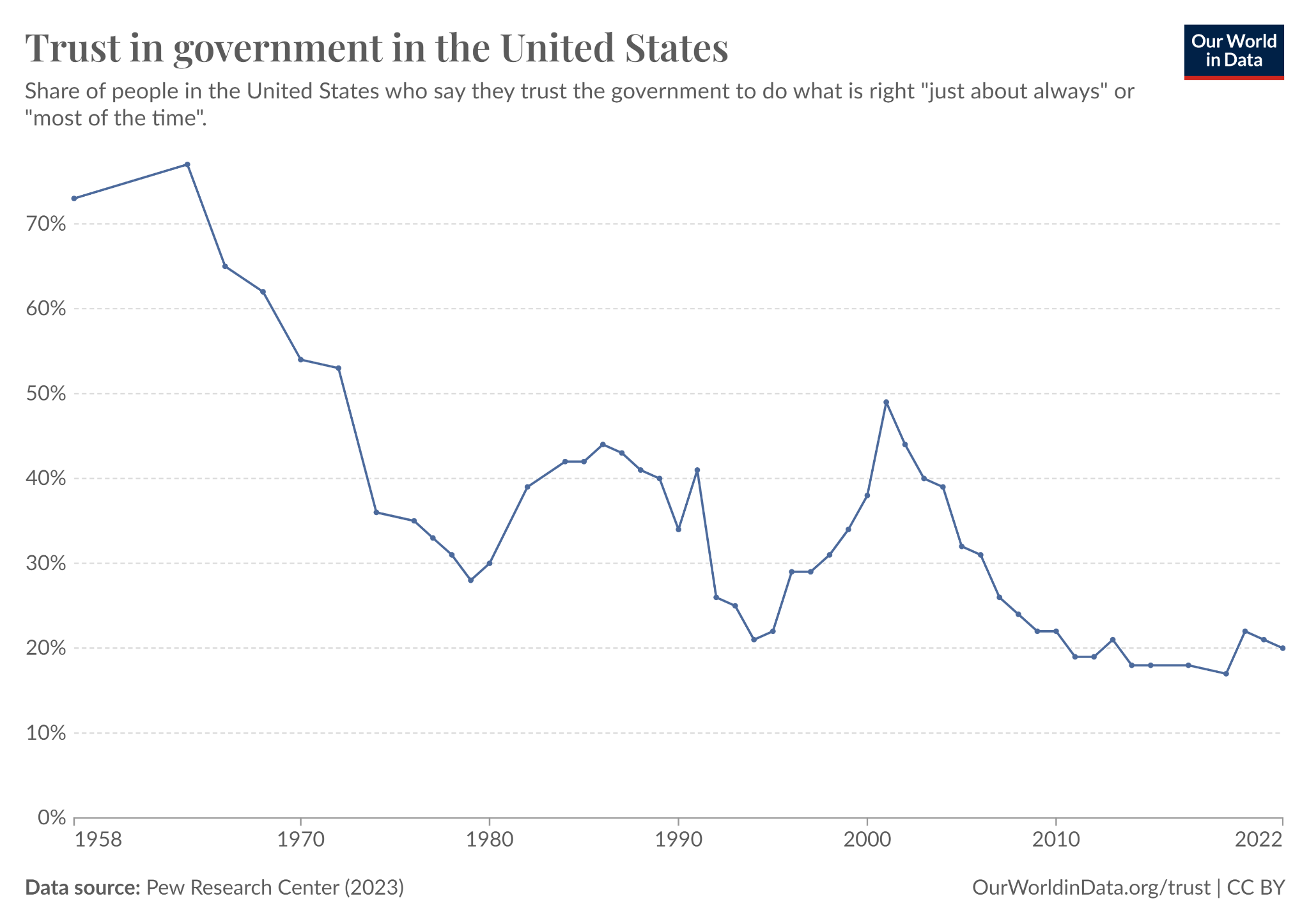
- Cross-Sector US Outcomes: The US federal budget is over $6 trillion annually, with another $4 trillion in state and local budgets. There are over 2.5 million federal employees (excluding the military) and nearly 20 million state and local employees. Despite this incomparable scale of resource and talent, US educational performance has been in decline for a decade or more, with US students now ranked twenty-fifth globally in math. At the same time, longevity in the US has also endured a period of decline. Obesity continues to increase. Autism, deaths from Alzheimer’s, autoimmune disease, and neurological disorders are all trending upwards. Suicide rates are now at the highest level since the 1930s. The average number of prescription medications in use per person is increasing, with the percentage of the population on five or more drugs nearly tripling, from 4 percent (1988–1994) to 11.2 percent (2015–2018). The United States has the highest proportion of its population in prison of almost any country in the world.84 Faith in government is at an all-time low (in the years since the Civil War), and political enmity is at an all-time high, with 47 percent of Americans believing that another civil war is likely within their lifetime.
- US Military and Security: The US military alone will spend $1.6 trillion this year, and the US intelligence community will spend over $100 billion. Despite the scale of US intelligence and security capacity, both northern and southern borders remain a source of major illegal immigration, with more than 11 million people in the country illegally, including hundreds of thousands on the “known and suspected” terrorist watchlist. The war in Afghanistan cost the US $300 million dollars a day, continuously for twenty years. It killed half a million people and left the situation arguably more prone to terrorism at the end than it was at the beginning.85 It is evident that the scale of military spending does not correlate with an increase in security; in fact, the opposite is true—it generates significant and escalating insecurity. The Iranian drones fired at Israel in April 2024 cost less than $50,000 each and can be made in low-tech facilities within a week. The US military has access to more data than any other group in the world, the most intensive training programs, the most advanced technology and world-class logistics, as well as the best strategic minds—and yet the US Patriot missiles used to neutralize the Iranian drones cost $4 million each and months of manufacturing, and can only be made in a few ultra-high-tech, high-security facilities. In the emerging decentralized Fourth Industrial Revolution, defensive tech cannot keep pace with offensive tech, and at the same time, US military strategy since the end of World War II has earned America many enemies around the globe. The post-war peace is over. World war is brewing on multiple fronts simultaneously, and no leadership, diplomacy, or peace work appears to be slowing it down.
- Global Market Leaders: The financial power of some private corporations and individuals now eclipses that of most governments. Global GDP is over $110 trillion dollars, growing at around 4.2 percent a year ($4.6 trillion added annually), with approximately $500-$1,000 trillion in developed assets.86 In the common conception of the core purpose of business activity, all of this money is supposed to be solving problems and making things that people need and value. Microsoft and Apple are each worth over $3 trillion, which is more than the GDP of 97 percent of all countries in the world. Despite a market cap of only $11 billion in 2015, Nvidia is now a $3.5 trillion-dollar company due to the unprecedented race for AI dominance and its application to every domain of human endeavor. BlackRock holds $11.5 trillion in assets under management, and much of the world’s economy is informed by its portfolio management system for modeling global finance (which is now integrated directly with generative AI).
What Makes a Good CEO?
The most profitable companies in the world are all accelerating the metacrisis, approximately in proportion to their market cap. Eight of the top eleven companies (Microsoft, Apple, Nvidia, Alphabet, Meta, Tesla, TSMC, Amazon) are engaged in the race for AI supremacy—which is a race to develop and deploy the most dangerous technology in the history of the world.87 Other global market leaders operate in oil, financial services, pharmaceuticals, defense, and chemical manufacturing.88 These companies employ much of the top human talent in the world. Every dollar they make advances the metacrisis.
Global market leaders are run by the best CEOs, with a skill set and focus on goal-achieving. The psychologies, traits, and dispositions of the best CEOs may be highly refined at achieving narrow corporate and personal goals, but at the same time they appear unable or unwilling to see that their success is also destroying the world. In some cases, the best CEOs know that their success is destroying the world, and they continue regardless.89
How do the best CEOs view the world? Some common themes and perspectives may be drawn from the deep research literature on the qualities of successful business leaders. A general outline of the worldview of the best CEOs may be summarized as follows.
- They tend to view the world as composed of parts rather than as a whole.
- They are far more comfortable thinking about complicated systems than complex ones.
- They are good at optimizing for narrow goals at the expense of holistic goals.
- They tend to hyperfocus on their goals, to the detriment of all excluded from that focus.
- They tend to valorize the ruthlessness it takes to maintain such a narrow focus.
- They know how to win at the game of power, but are less inclined to deeply inquire into what is truly meaningful.
- They are comfortable with ignoring (or at least rationalizing) the negative externalities of their actions while exaggerating the positives, and less willing to make an honest assessment regarding their own motivated reasoning.
- They are good at constructing and achieving measurable goals that can be optimized in terms of return-on-investment (ROI).
- They are good at motivating their employees to dedicate more of their limited time to the pursuit of company profit, rather than on far more meaningful things, such as time with their families or time in nature.
The best corporate leaders are motivated by the ideal of continual growth, and yet there are no natural systems in which continual growth is a good thing. Continual growth always leads to death. They are motivated by competition, by winning, and by increasing their profit margins and improving their market positions. They are motivated by their own optionality. They are motivated by power.
Nature of Mind and Moloch
The nature of mind that sees the universe in this way can be observed throughout history. The great conquerors of the past had minds that were in many ways similar to the most successful CEOs of today. For the most part, these minds are the result of (and servants to) the deep features of the current world system that drive humanity toward ruin. The most recent name used in popular culture for this phenomenon has been Moloch—a name with ancient roots, but that was used powerfully by Allen Ginsberg in his 1955 poem Howl (Part II in particular) to represent the world system’s disposition for destruction.90
As we have seen so far in this document, the good intentions behind some of our attempts at problem-solving are often not enough. Human intent stems from a complex blend of motivations, desires, and values, but it rarely includes all relevant factors for the long-term thriving of life as we know it.91 Our intent, even when it is well-meaning, is caught in multipolar traps and laden with misconceptions, incomplete knowledge and a range of psychological issues, all of which inevitably leads to bad outcomes for everyone. It is hard to look at the range and scale of historical atrocities and assert that humanity has ever been a good steward of power. With exponentially more power, exponential externalities and exponential conflict will either break the finite limits of our shared biosphere or deliver dystopias of ubiquitous surveillance and control to avoid such an outcome.
Observing this dynamic, some have noted that this fundamental feature of our world system—which may be summarized as collective activities leading to worse outcomes for all—acts seemingly as an agent, independent of any individual control.92 Naming the agent is helpful in identifying the phenomena; it allows the human mind to conceptualize something far exceeding the typical scale of our imagination. Moloch can be personified as that which drives human actions and fails to take into account wider impacts; that which defines success too narrowly, and that which leads in the end to negative outcomes, for all.
The nature of the mind that makes a great marketer, politician, financier, or military general are also the result of—and servant to—Moloch. To a certain extent, the same may also be said for the nature of the mind that makes a great engineer or technologist or lawmaker. To succeed in any of these domains often necessitates the externalizing of costs, narrow goals pursued at the expense of more holistically beneficial outcomes, and the sacrifice of other values in service of winning.
The world is full of elite universities, visionary companies, and powerful governments; it is full of outstanding scientific specialists in every domain, including Nobel Prize winners, and planetary-scale industrialists and operators; it is full of groups and institutions with highly developed processes for efficiency, effectiveness, scaling, and goal-achieving, including processes for measurement, testing and refining, and for optimizing returns on essential metrics. The world operates with strong incentives to innovate and create new solutions. Not only in spite of this system, but because of it, we have a world in metacrisis, which is rapidly deteriorating, and in which every new innovation and scaled solution brings us closer to the brink of annihilation.
“It is no measure of health to be well-adjusted to a profoundly sick society.”
— Krishnamurti93
Our Success Is Our Problem
To every corner of the world, we have successfully scaled satellites and cell phones, gasoline and automobiles, electricity and appliances, processed sugar and disposable plastics, money and modern cultural desires. The capacity to achieve these goals is incredible. In fact, we are particularly good at these types of things—so good that we are unable to stop. Our current world system—which may be defined as the maximum power-seeking cybernetic machine—is on autopilot towards all possible types of growth (including removing anything that opposes it), on a path to its own self-destruction.
The success of this system is the cause of the metacrisis. There would be no metacrisis without incredible science, technological innovation, scaling, and social engineering. Low-tech societies and tribal groups couldn’t do much harm even if they wanted to. The minds that succeed in this world do so both because they can succeed on these terms and because they are motivated to do so. The more successful any given person has been in this world, the more their intuitions and processes for change-making will simply add to the metacrisis—even if they are trying to solve problems. It is these successful and sometimes well-intentioned people who will have the hardest time recognizing this dynamic. They will also have the fewest points of reference for the kind of mind necessary to conceive of truly adequate solutions. In general, these successful people will have the hardest time reconditioning their minds—their identities, how they see the world, how they think, what they value, what they pay attention to, what they notice, what they feel, what they are motivated by, what they are frustrated by, what they listen to, how they make sense of the world, how they relate to knowing—to become the kind of mind that does not unwittingly continue to drive the metacrisis.
The nature of the minds needed to change humanity’s trajectory are not conditioned by this system—this system does not produce them inherently, and in fact suppresses their success and adds barriers to their acquisition of power and influence. The nature of mind of the most successful people in this world are a product of the system that their choices and actions perpetuate; its processes make sense and feel native to them, and as a result they cannot help but create more of the same.
“The most dangerous man to any government is the man who is able to think things out for himself.”
— H.L. Mencken94
Relevant History
During his lifetime, Ghengis Khan and his men killed between 30 and 60 million people—brutally and unnecessarily.95 This scale of destruction was accomplished on horseback and without the aid of modern military technology. Khan killed roughly 11 percent of the entire population of the world.96 At the same time, due to the scale of associated rape, it is estimated that roughly 8 percent of the men from the region alive today are Khan’s decendants.97 Khan’s impact was preceded by hundreds of years of slaughter on an equivalent scale from his predecessors, such as Atilla the Hun, and followed by more from his descendants (including conquest in China by his grandson, Kublai Khan).98 Military campaigning of a similar type was enacted by the Ottomans, the Romans, the Vikings, the Spartans, and many more. Alexander the Great killed and subjugated a vast number of people across three continents in the name of “spreading civilization.”99 The colonizers of Africa and the Americas exterminated countless ancient civilizations—along with their languages, music, art, systems of medicine, knowledge, stories, and worldviews, all of which were destroyed forever—again in the name of spreading civilization to the savages, the divine right of kings, and manifest destiny. There were roughly 140 million people in the Americas, constituting hundreds of distinct civilizations, before European conquerors arrived.100 These indigenous people had lived in the region for tens of thousands of years, and yet over 90 percent of them were killed or died as a result of colonial activity.101 All of this destruction occurred long before the industrial-scale death of the twentieth century enacted by Stalin, Mao, Pol Pot, Hitler, and others.
We are the descendants of these conquerors, genetically and memetically, both recombined and distilled over time. There are many other valid and beautiful modes of mind and being, but these were systematically eradicated by our forebears. Only those with the minds and beings able to successfully compete at this game made it through to the present. The types of minds, beings, lives, and cultures that were lost were lost irrevocably—to the extent that we can no longer know what else is possible or how much we are missing.
As technology and markets have advanced throughout recent history, the competitive landscape has also evolved. New technologies have opened new markets, and together they have virtualized the nature of human competition and contributed to an expansion of the games that could be played and won.102 The capacity for success in battle became secondary to the skills of financial domination, technological supremacy, propaganda, and complex systemic warfare. The most powerful CEOs are today’s Alexander the Greats.
All Parts of Civilization Orient to Moloch
Scientific research that does not have immediate market value does not get much funding. Cures for diseases that are not patentable (and thus not profitable) are not studied, and only synthetic chemicals that are not inherently part of nature (or health) receive research attention. Similarly, war and weapons development receives millions of times more investment than peace research.
Every vertical aspect of civilization (i.e. material and operational sectors such as agriculture, medicine, materials acquisition, manufacturing, waste management, communications, energy production, military, etc.), and every horizontal aspect (i.e. cross-cutting functions that are relevant to all verticals, such as science, education, research and development, law-making, politics, financing, etc.) all developed in service to Moloch.103 All sectors and enabling frameworks of civilization are caught in multipolar traps and defined by narrow goal-achieving; if they were not, they would not exist as they do now—they would not have made it through. There is no domain of human activity in which power is involved, no domains of process or best practice, and no disciplines of thinking or acting, that are not shaped by and ultimately oriented in the direction of Moloch and therefore the metacrisis. Underlying everything is the conditioning of the mind: the identity, motivations, processes of thinking, and most fundamentally, the conditioning of perception.
The Mind Conditioned
The kind of mind that to a significant extent now runs the world cannot even adequately imagine a world in harmony. All it sees are games to win and paths to dominance.
This kind of mind…
- is conditioned not to notice most of reality (and remains unaware of the lack of noticing).
- is conditioned to see the world as composed of separate things, apply words to these things as labels, attach fixed data and concepts to them, and call that knowledge.
- is conditioned to focus on everything in terms of its relevance and utility to personal goals.
- wants to reduce the infinite complexity of reality to models and measurements.
- wants to feel agentic and empowered before having gained a meaningful depth of understanding of the fundamental complexity of reality.
- always seeks a path to more control.
- avoids feeling the pain of the world fully, bypasses the suffering (and its lessons), and rushes instead to “fix” it.
- finds uncertainty unbearable and cannot rest in a state of unknowing.
- cannot trust unless it can understand.
- does not actively seek to feel what it’s like to be another, and factor their experiences into a deeper understanding of the world and their place within it.
- is not continuously humbled in awe at the incomprehensibility of reality.
- was conditioned by the current world system in order to perpetuate it.
This kind of mind cannot accurately perceive how nature designs, and cannot notice its own blind spots, filled as they are with the generative dynamics of the metacrisis. It cannot help but create more of the types of patterns by which it was conditioned.
“A new type of thinking is essential if mankind is to survive and move toward higher levels.”
— Albert Einstein104
“We but mirror the world. All the tendencies present in the outer world are to be found in the world of our body. If we could change ourselves, the tendencies in the world would also change. As a man changes his own nature, so does the attitude of the world change towards him. This is the divine mystery supreme. A wonderful thing it is and the source of our happiness. We need not wait to see what others do.”
— Mahatma Gandhi105
“Strive first for the kingdom of God and his righteousness, and all these things will be given to you as well.”
— Jesus106
“Do you have the patience to wait till your mud settles and the water is clear? Can you remain unmoving till the right action arises by itself?”
— Lao Tzu107
“A human being is a part of the whole, called by us ‘universe,’ a part limited in time and space. He experiences himself, his thoughts and feelings as something separate from the rest—a kind of optical delusion of his consciousness. This delusion is a kind of prison for us, restricting us to our personal desires and to affection for a few persons nearest to us. Our task must be to free ourselves from this prison by widening our circle of compassion to embrace all living creatures and the whole nature in its beauty. Nobody is able to achieve this completely, but striving for such achievement is in itself a part of the liberation and a foundation for inner security.”
— Albert Einstein108
“Indeed, the attempt to live according to the notion that the fragments are really separate is, in essence, what has led to the growing series of extremely urgent crises that is confronting us today.”
— David Bohm109
“For both the rich and the poor, life is dominated by an ever growing current of problems, most of which seem to have no real and lasting solution. Clearly we have not touched the deeper causes of our troubles. It is the main point of this book that the ultimate source of all these problems is in thought itself, the very thing of which our civilization is most proud, and therefore the one thing that is ‘hidden’ because of our failure seriously to engage with its actual working in our own individual lives and in the life of society.”
— David Bohm110
The Future
Most of the dynamics that make the world’s core issues so intractable are rapidly accelerating in terms of their scale of impact and complexity. Radical asymmetries of power are increasing exponentially. In fact, exponential functions define all of the most important features of our path into the future—in particular the speed, unpredictability, uncontrollability, and complexity of the issues, as well as the rate of change of critical factors. At the same time, the processes necessary to effect real change are mostly eroding: public sensemaking, political effectiveness, integrity of the legal system, civic virtue, the mental and physical health of the public, and more. The processes driving this erosion (including, for example, the impact of powerful technologies on epistemics and the information commons) are also becoming increasingly difficult to address or mitigate. The scale of impending issues (and their compounding nature) is also radically outpacing our preparedness.
There is a wide range of natural responses to a frank and honest assessment of the issues outlined in this document. Many such reactions may be observed across human cultures and societies now. Around the world, an increasing number of people are either turning to strong-man leaders, false messiahs, terrorist ideologies, or simply addiction, distraction, and nihilism. Some typical false messiahs that are increasingly common in the Western zeitgeist include, for example: doubling down on free markets and techno-optimism, “American exceptionalism will get us through,” “aliens will save us,” and “free energy will solve all problems” (among many others). Perhaps the most common retreat is toward comforting but ungrounded positive narratives. In the case of the most informed and powerful people, nearly all have doubled down on the race to technological supremacy, while at the same time spending billions on underground survival complexes.
The trend of deterioration may be observed across almost all of the most foundational aspects of mind and collective social psychologies. This includes the fragmented worldviews, the lack of holistic perspectives, and the perverse motivations at the heart of all great problems. Dark triad traits are increasingly prevalent, particularly in positions of power. Historically, humanity has relied on a set of processes to temper egoic motivations, including true religious belief and practice, civic virtue, close-knit communities, formal periods of reflective silence, time in nature, time with children and older people, the witnessing of births and deaths, deep mentorship, and service work. These social restraints on egoic motivation have mostly eroded. The scale of unfulfilled promises and virtue-signaling from positions of power—as well as the starkness of world trends and the associated lack of positive vision and agency—have left many caring people jaded.
In line with the increasingly obvious intractability of global issues, regressive and dystopian worldviews are rising, alongside calls for direct conflict between great powers. Major publications such as Foreign Affairs magazine are amplifying narratives on why the US must not cooperate with China, and instead comprehensively beat them. Others continue to advocate for escalation of war with Russia. The US recently approved warrantless spying on civilians outside of the US. Violent Zionism and anti-semitism are both on the rise. Sympathy for the idea of a new US civil war is not uncommon. The World Economic Forum is promoting the concept of a centralized global cybernetic system to run the world, informed by a global sensor network (including biosensors inside people’s bodies). The top tech billionaires are openly promoting TESCREAL ideas and aims. Three-quarters of US Christians state that they believe Jesus will return to earth and nearly half believe that humanity is in “end times.”
One commonly expressed hope is that the lived experience of a crisis will act as a system shock and a catalyst for subsequent change. Unfortunately, our track record in this regard also provides scant evidence in support of this position. Change could have occurred as a result of 9/11, but it didn’t. It could have occurred after the war in Iraq and the revelation of the lack of weapons of mass destruction and the deaths of many innocent civilians—but it didn’t. It also didn’t happen as a result of the financial crisis, or COVID, or any of the school and mass shootings, or the social upheaval rooted in events connected to George Floyd and January 6, 2021. None of these previously unimaginable issues triggered the kind of “emergence through emergency” that many hope will come to our rescue. This reality must be factored into our hopes for the future.
Leaders from Churchill to Machiavelli have made statements such as “never let a good crisis go to waste.” These quotes (among others) serve to highlight how those engaged in high-level strategy can be expected to leverage crises to the benefit of their own agendas and objectives. On the other hand, those who care about the well-being of the commons (and life in general) are far less likely to leverage the same sort of strategy.
There are some positive trends: the increase in attention and care among young people regarding ecology and planetary systems, or the development of certain types of potentially helpful technologies (such as novel tools for governance or collective decision-making), for example. Overall, however, the vast majority of critical factors concerning the future of humanity are trending strongly in the wrong direction.
Takeaways
Given the range, scale, and immediacy of the issues currently facing humanity, the most likely outcomes involve futures of a profoundly undesirable type. Clear and executable strategies to address the metacrisis are hard even to imagine. This reality is demonstrated by the lack of any coherently articulated plan from governments, businesses, non-profits, academies, militaries, think tanks, religions, and other institutions. Most of our great problems are the result of our attempts to solve other, pre-existing problems, and the same pattern defines our attempts to design solutions to facets of our current problem landscape. Most of these solutions actually accelerate the timelines to irreversibility of the very issues they seek to address.
The world has a vast number of extraordinarily smart, capable, and good people, all working earnestly on issues that they consider to be important. The current state of the world is not explained by a lack of these qualities. At the same time, it is important to remain aware that adequate solutions are unlikely to be easily forthcoming, given the context provided above.
The contents of this document are worthy of deep thought and consideration. The internal response should involve a deep pause. Considering the role of premature agency and insufficient humility in the cause of our current state of affairs, it is worth simply sitting with the complexity and the emotion, allowing the weight of uncertainty to be felt; only then is it really worth asking what may be done in response. If the assessment presented here is accurate—or even just directionally true—what does it mean? What is the significance? If you, reader, were to hold this assessment as accurate, how would you respond? Relative to the depth of your care and commitment to find a way to act increasingly effectively, how would you act in service to that care?
There is no detailed and executable plan to address the totality of the metacrisis within any meaningful timeframe. Nor could such a plan even exist, factoring the continuously changing state of the world and the unknowability of all relevant factors. The almost overdetermined nature and incredibly short timelines to imminent global catastrophes—as well as the lack of viable solutions—provided the motivation to make a deep assessment of the causes. Work is underway to outline the features of an ecosystem of projects that might approach sufficiency. While the progress in that endeavour is beyond the scope of this analysis, this document simply aims to lay the foundations of the critical shared assessment necessary to begin the real work of exploring the potential solution space, together.
Appendix: Relevant Trends
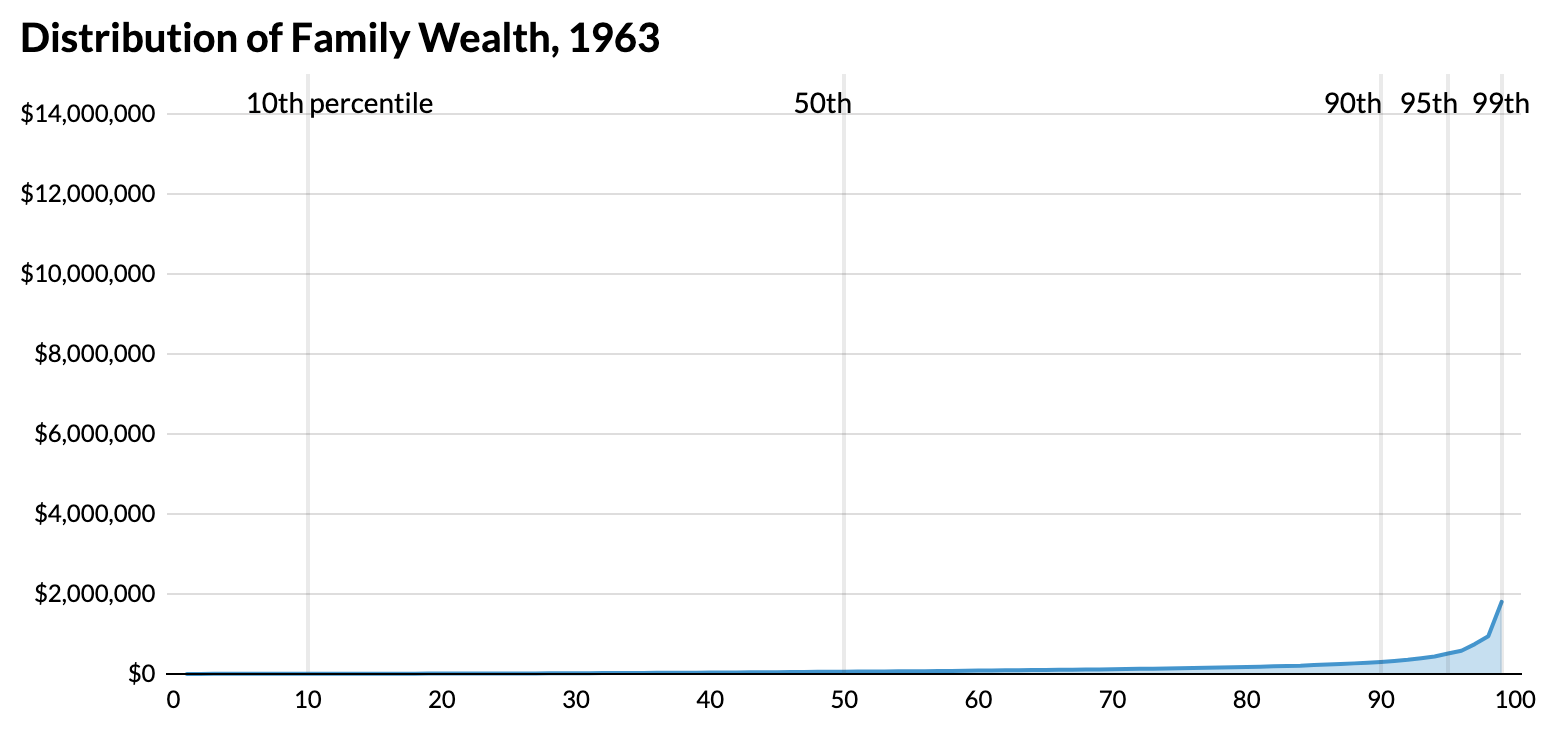
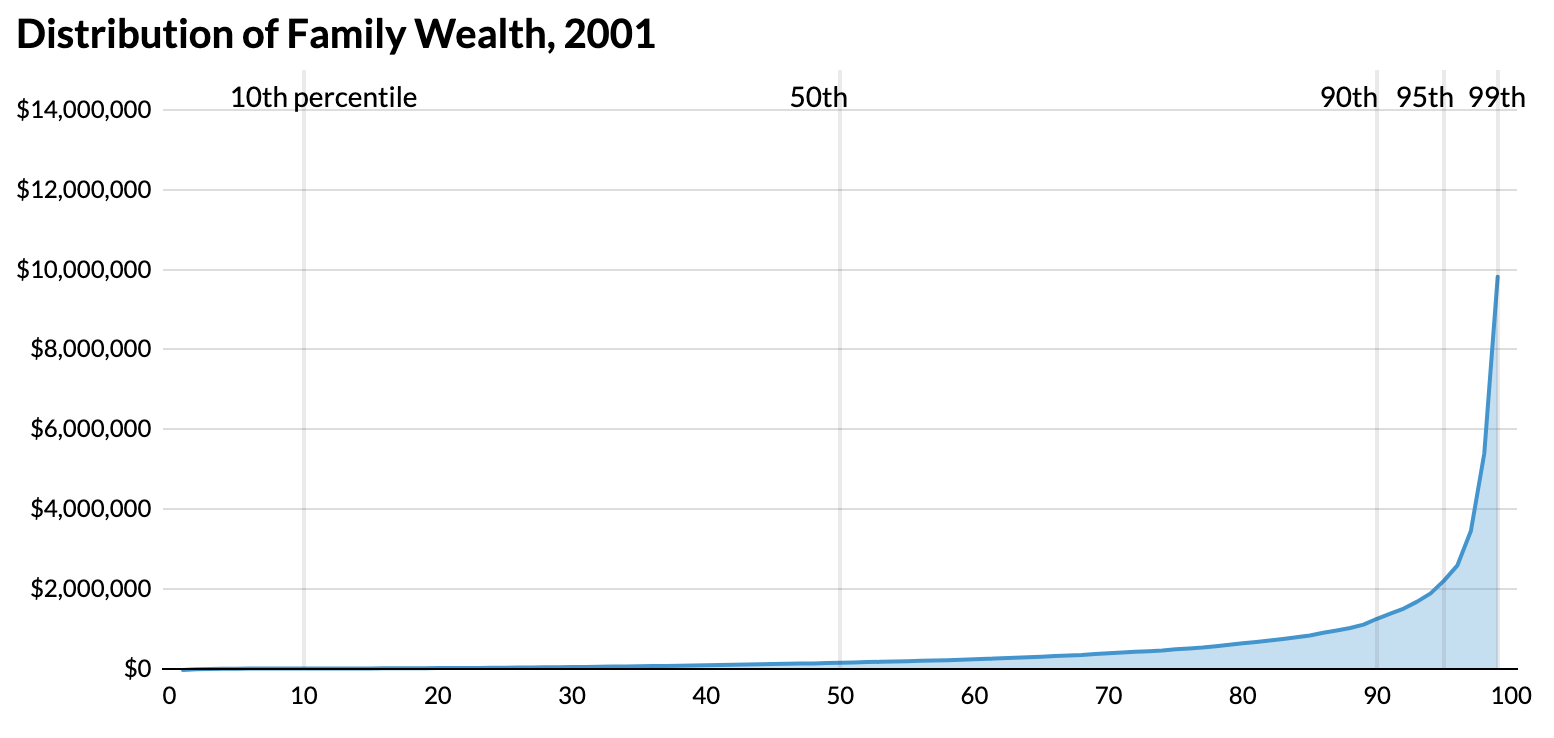
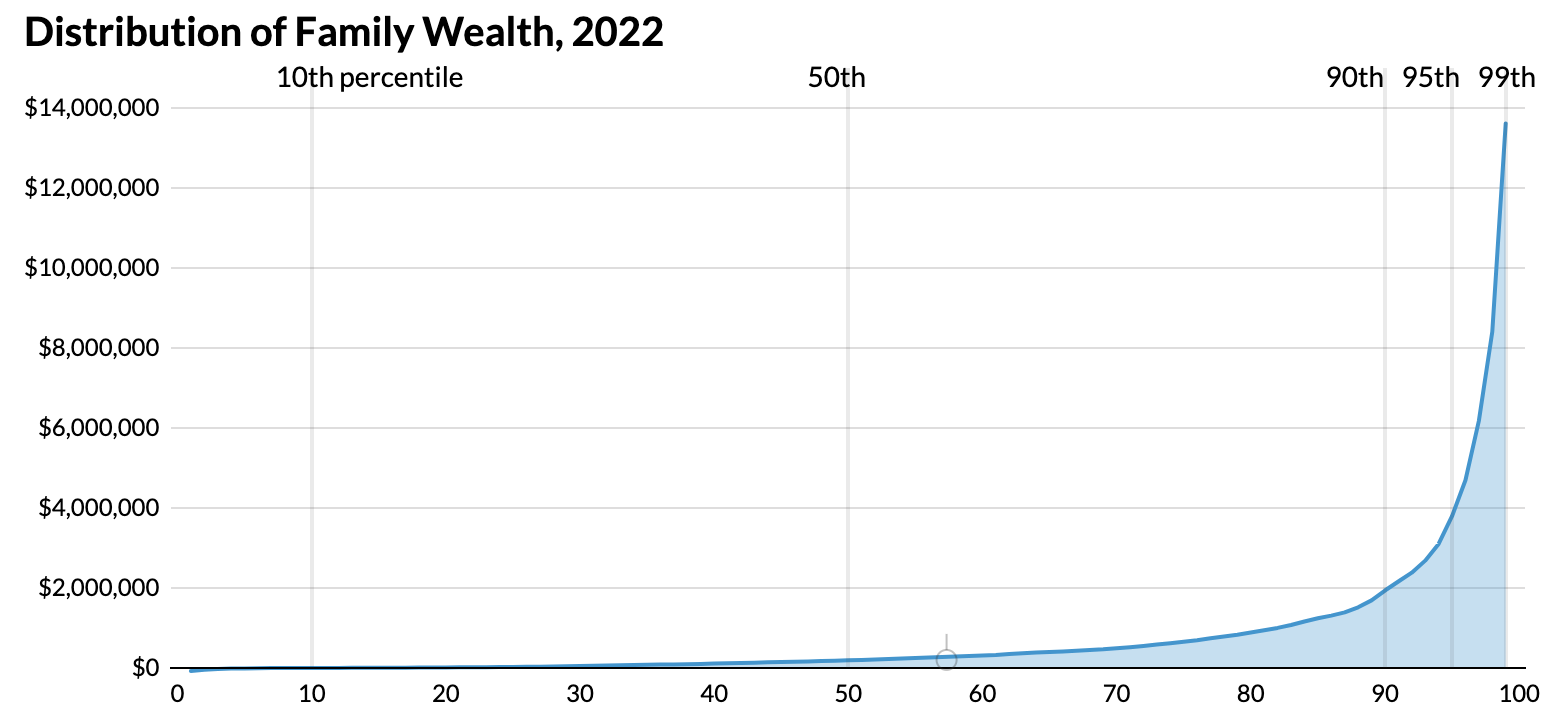
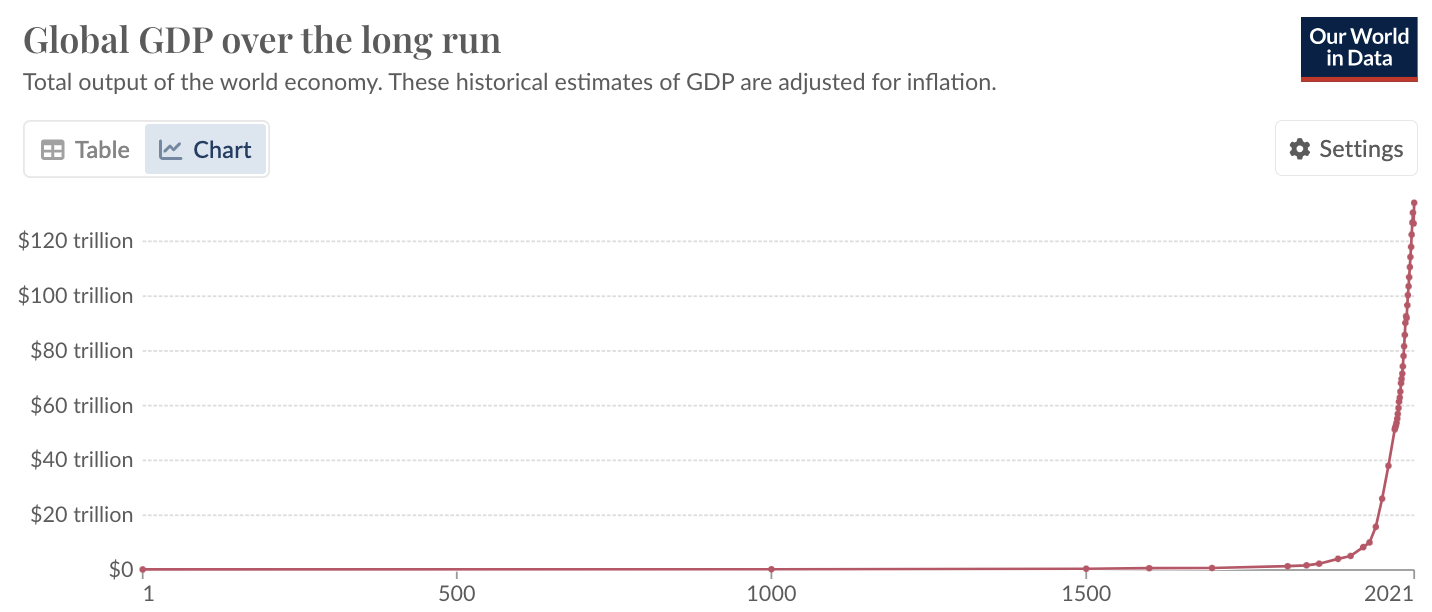
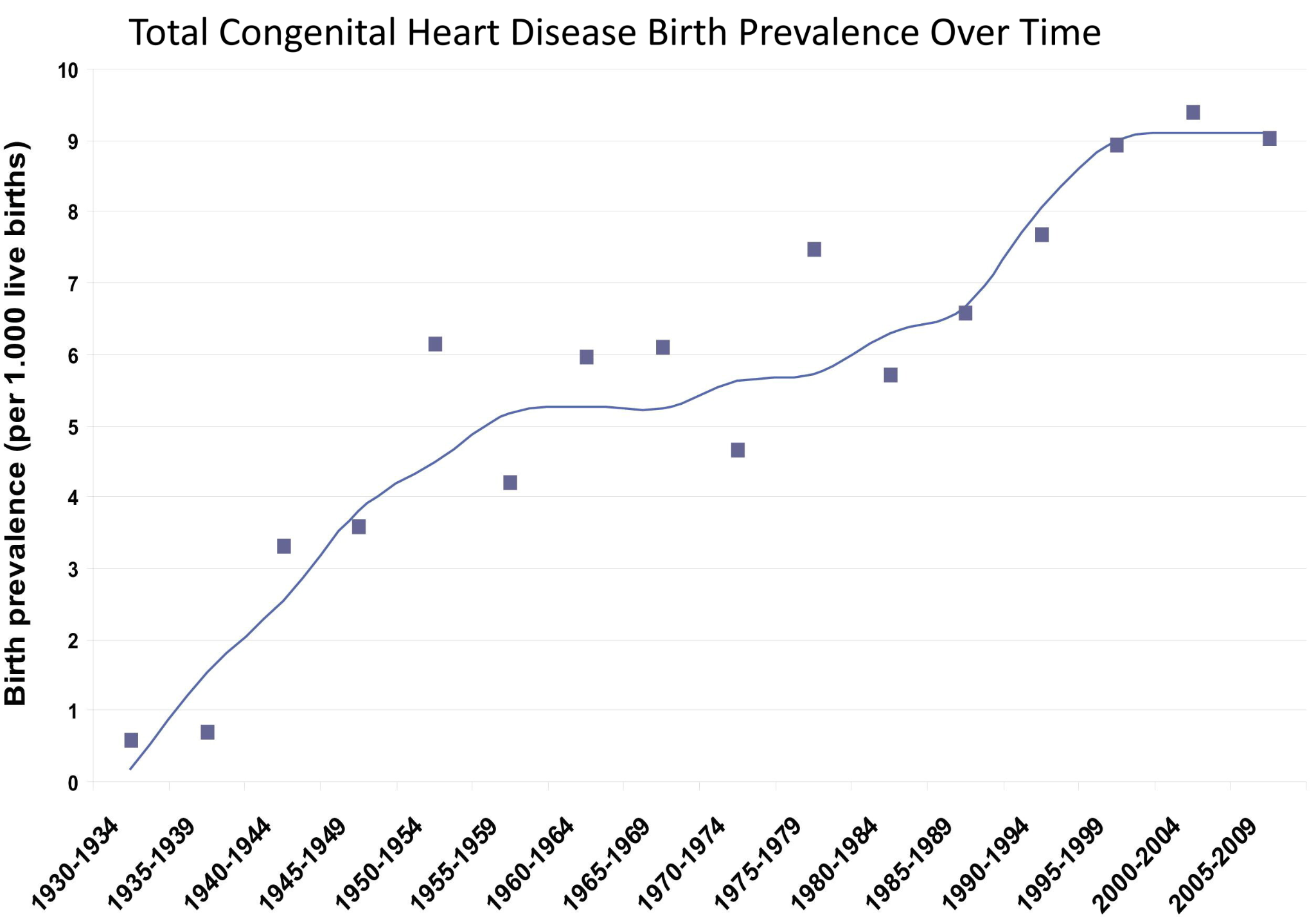
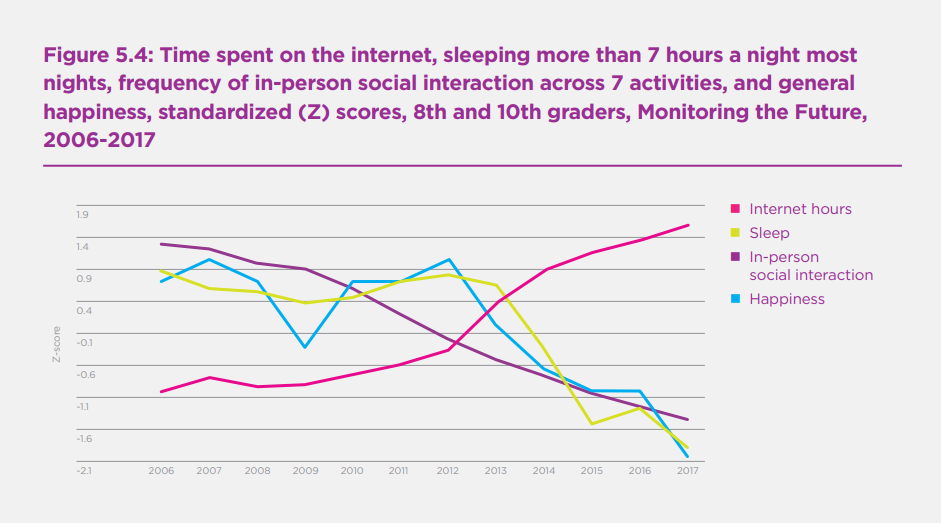
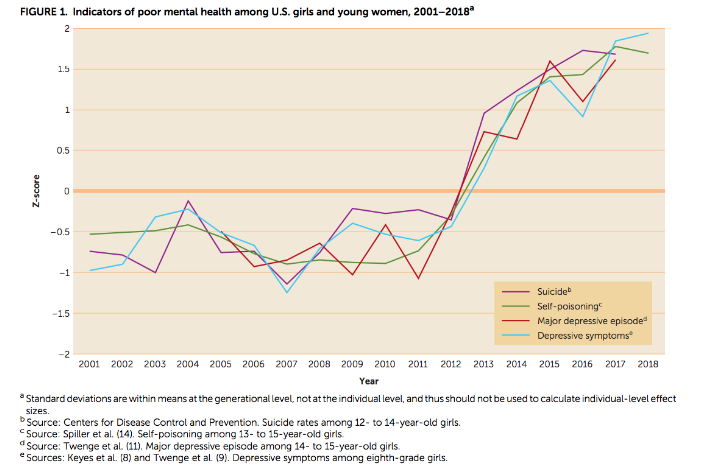
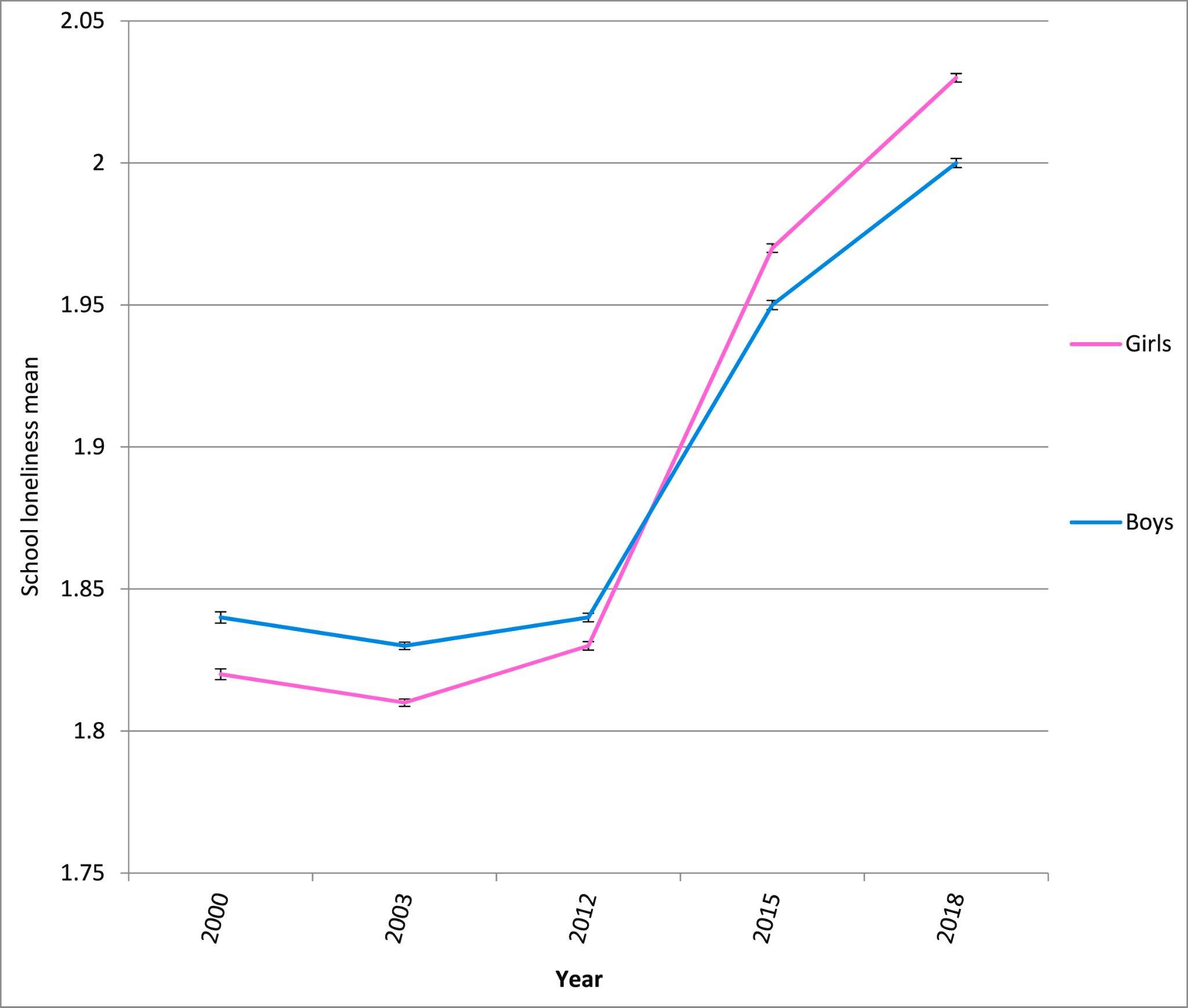
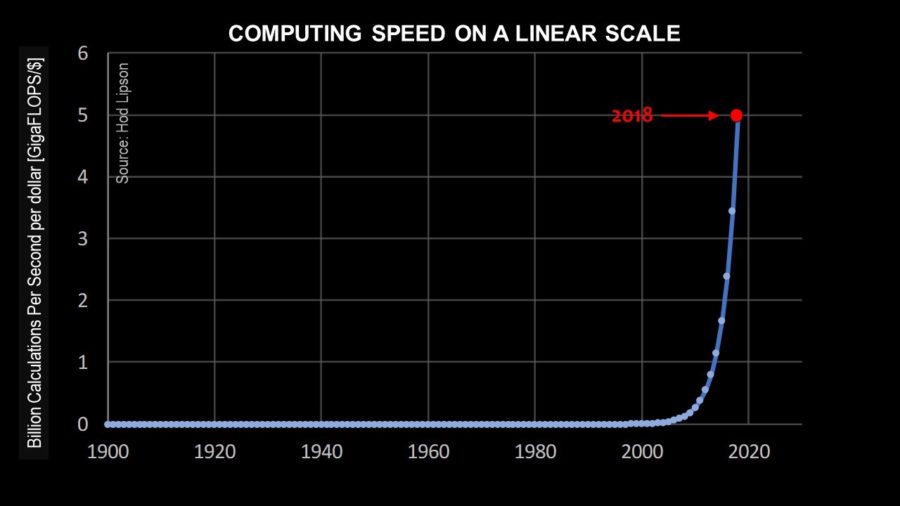
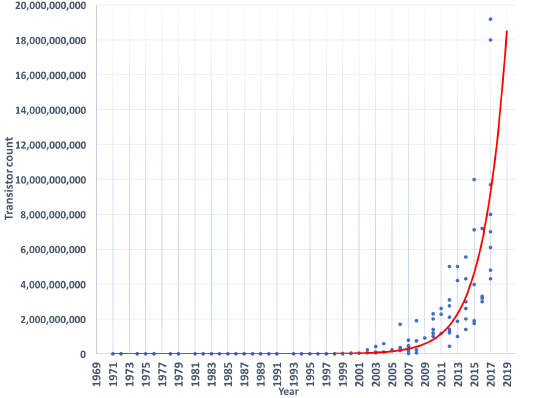
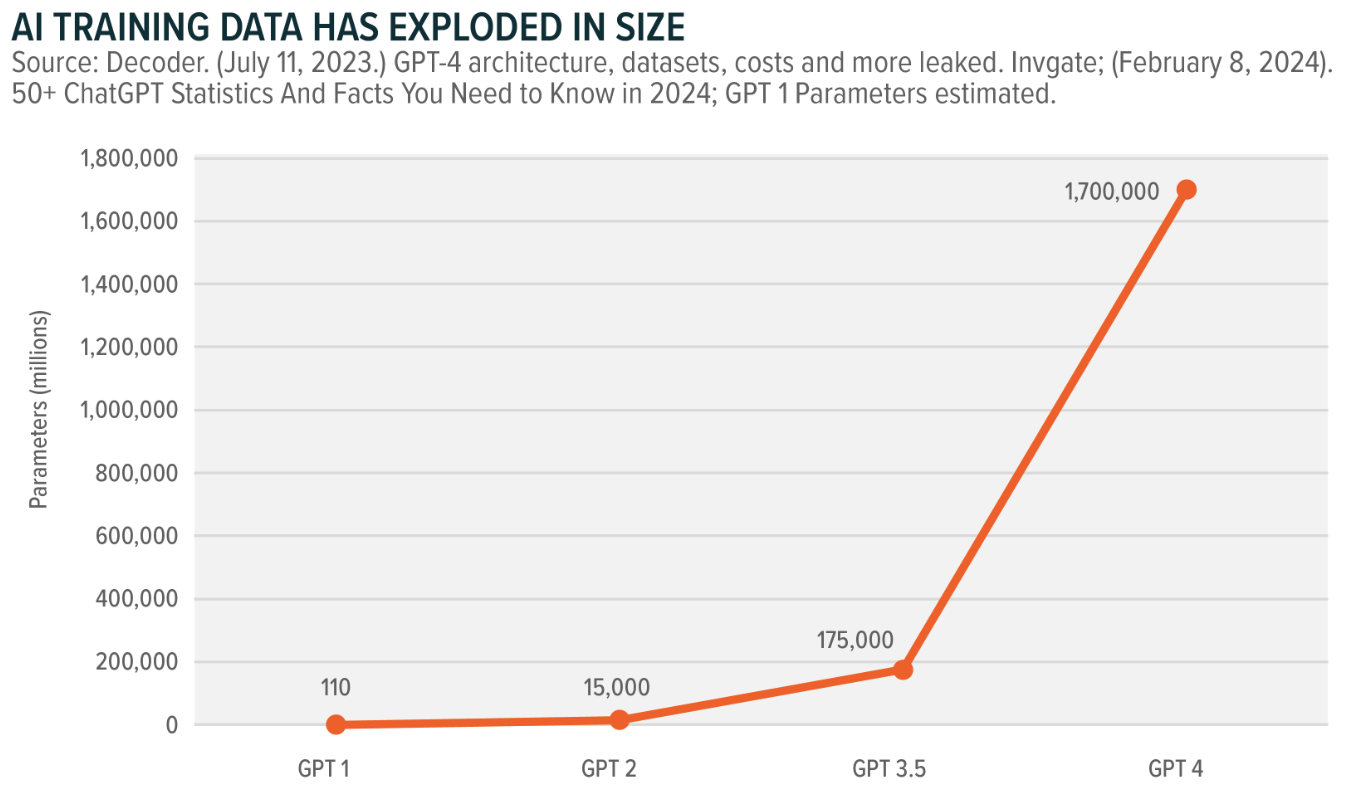
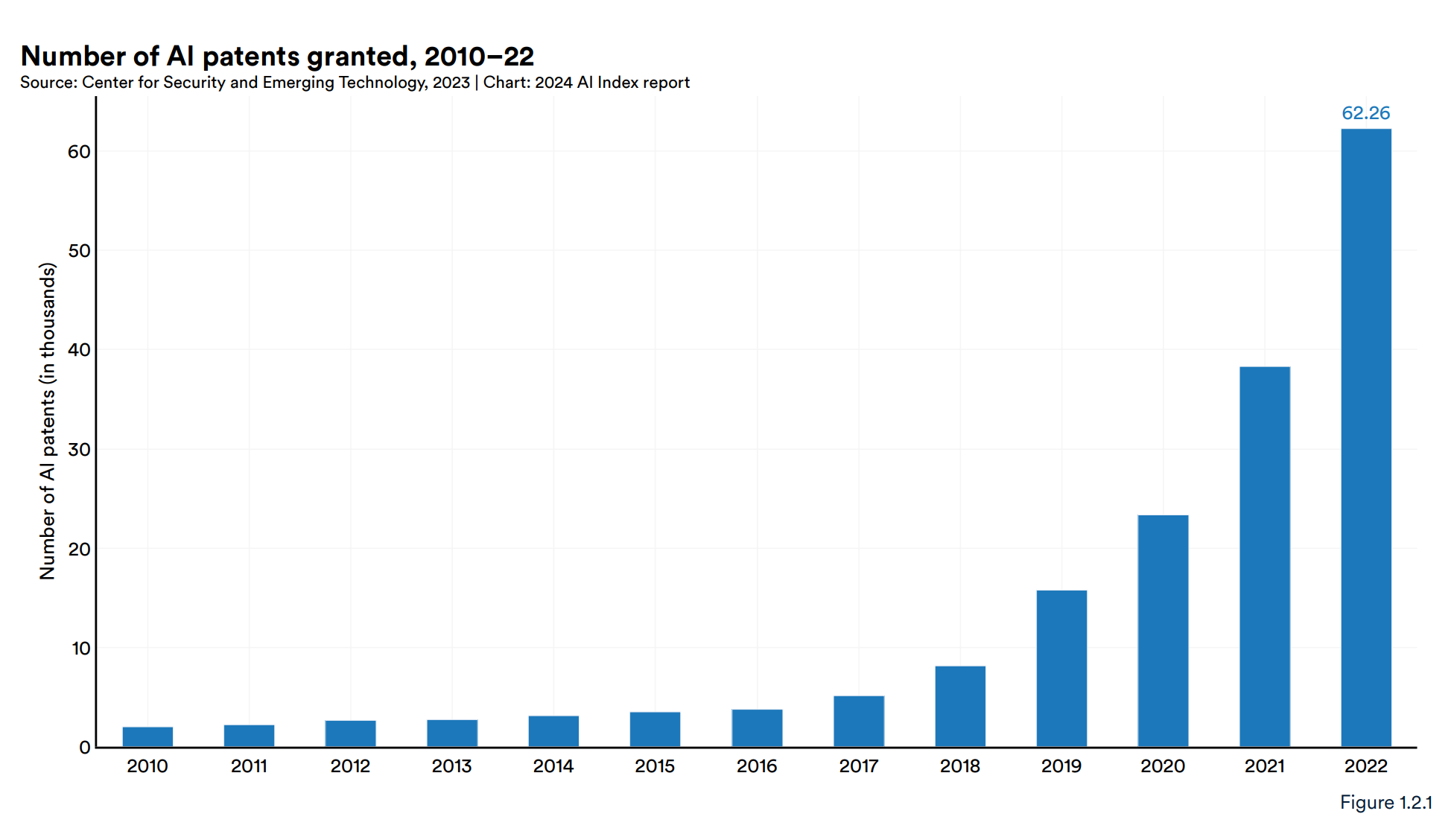
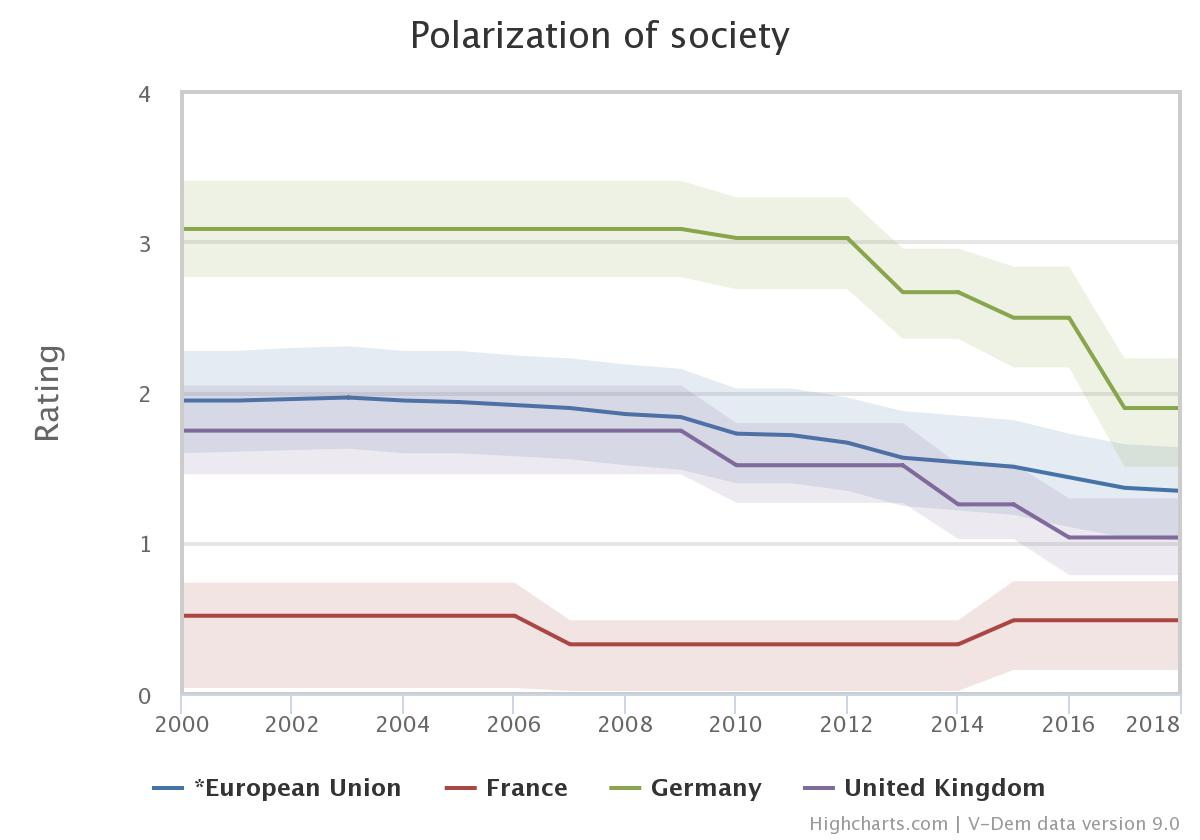
A collection of relevant graphs showing a selection of key trends, despite all the work and effort mentioned above.


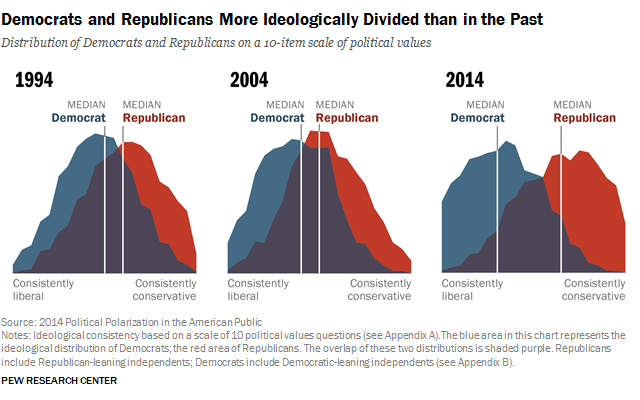
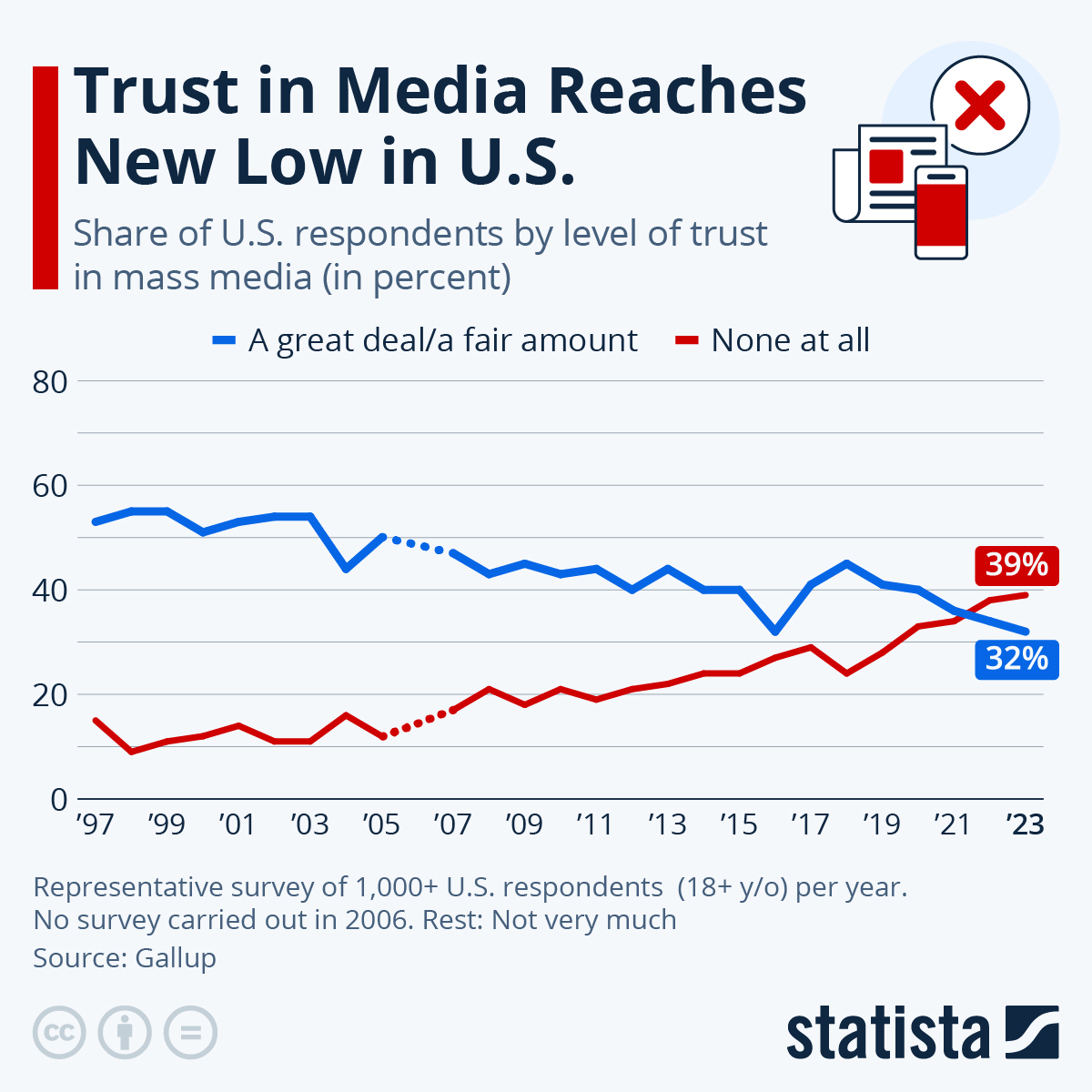
Endnotes
-
See for example:
Eliza Griswold, “How ‘Silent Spring’ Ignited the Environmental Movement,” New York Times, September 21, 2012, https://www.nytimes.com/2012/09/23/magazine/how-silent-spring-ignited-the-environmental-movement.htm.
William D.Solecki and Fred M. Shelley, “Pollution, Political Agendas, and Policy Windows: Environmental Policy on the Eve of Silent Spring” Environment and Planning C: Government and Policy 14, no. 4:451-468 (1996), https://doi-org.virtual.anu.edu.au/10.1068/c140451.
Though, for an alternative read on the origins of the environmental movement, see:
Chad Montrie, The Myth of Silent Spring: Rethinking the Origins of American Environmentalism (Oakland: University of California Press, 2018).
↪ -
The legal and governance movement for the Rights of Nature in the United States and elsewhere has a long history, with roots in indigenous worldviews. Contemporary initial debates and implementations were underway by at least 1972. Tamaqua Borough in Pennsylvania, which banned dumping of toxic sewage as a violation of the Rights of Nature, is widely regarded as the first place in the world to recognize such rights in law. Ecuador became the first country to recognize the Rights of Nature in its national constitution in 2008, with Nepal and New Zealand following shortly after in 2011 and 2014 respectively. The state of Colorado was the first in the US to implement a constitutional amendment for the Rights of Nature in 2014. For more details, see:
Community Legal Environmental Defense Fund, “Rights of Nature: Timeline,” accessed January 2, 2025, https://celdf.org/rights-of-nature/timeline/.
Alexandra Huneeus, “The Legal Struggle for Rights of Nature in the United States,” Wisconsin Law Review 133, no. 1747 (2022): 133. https://papers.ssrn.com/sol3/papers.cfm?abstract_id=4084847.
David R.Boyd, The Rights of Nature: A Legal Revolution That Could Save the World (Toronto: ECW Press, 2017).
↪ -
Boycotts on consumer products due to environmental, climate, and health concerns are a relatively new phenomenon on the political landscape, though in American history, they may be traced back to at least the Boston Tea Party in 1773.
Stephie Grob Plante, “Shopping has become a political act. Here’s how it happened,” Vox, October 7, 2019, https://www.vox.com/the-goods/2019/10/7/20894134/consumer-activism-conscious-consumerism-explained.
For a global overview of recent “successful” boycotts, see EthicalConsumer.org.
Some have argued that consumer activism has also passed its zenith, highlighting the wavering optimism regarding the true impact of the environmental movement.Elizabeth L. Cline, “The Twilight of the Ethical Consumer,” Atmos, October 19, 2020, https://atmos.earth/ethical-consumerism/.
↪ -
Much has been written on public reactions, bottom-up legal campaigns and legislative bans on major sources of toxic pollution. Systematic normalization and industry-driven politics on toxic substances date back to at least the 1800s. For an overview of legislation and history concerning pesticides and toxic chemicals such as DDT, malathion, CFCs and similar, see:
José Ramón Bertomeu-Sánchez and Ximo Guillem-Llobat “Following Poisons in Society and Culture (1800-2000): A Review of Current Literature,” Actes d’història de la ciència i de la tècnica 9 (2017) https://raco.cat/index.php/ActesHistoria/article/view/94968.
Claas Kirchhelle, “Toxic Tales—Recent Histories of Pollution, Poisoning, and Pesticides (ca. 1800–2010),” NTM Zeitschrift für Geschichte der Wissenschaften, Technik und Medizin 26, no. 2 (2018): 213–229, https://doi.org/10.1007/s00048-018-0190-2.
Frederick R. Davis, Banned: A History of Pesticides and the Science of Toxicology (New Haven: Yale University Press, 2014).
Frederick R. Davis, “Pesticides and the Perils of Synecdoche in the History of Science and Environmental History,” History of Science 57, no. 4 (2019): 469–492, https://doi.org/10.1177/0073275319848964.
Susanna R. Bohme,Toxic Injustice: A Transnational History of Exposure and Struggle (Oakland: University of California Press, 2015).
↪ -
The formation of the United Nations Environment Programme (UNEP) in 1972 was a major landmark event in the history of global environmentalism. In 1992, UNEP launched their Finance Initiative which continues to drive current efforts around sustainable finance. For more on UNEP and its place in environmental policy and history, see:
Maria Ivanova “UNEP as Anchor Organization for the Global Environment,” in International Organizations in Global Environmental Governance eds.Frank Biermann, Bernd Siebenhüner and Anna Schreyögg (New York: Routledge, 2009).
Maria Ivanova, The Untold Story of the World’s Leading Environmental Institution: UNEP at Fifty (Boston: MIT Press, 2021).
John McCormick, ‘The Origins of the World Conservation Strategy’, Environmental Review 10, no.3 (1986): 177–187, https://doi.org/10.2307/3984544.
Prior to UNEP, however, the Organisation for Economic Co-operation and Development (OECD) and United Nations Economic Commission for Europe (ECE) held early multilateral deliberations on environmental issues, including critical reviews of the growth-centric economic global model.
Iris Borowy, “Before UNEP: Who Was in Charge of the Global Environment? The Struggle for Institutional Responsibility 1968–72,” Journal of Global History 14 no.1 (2019): 87–106, https://doi.org/10.1017/S1740022818000360.
↪ -
The International Fertilizer Association documents a steady increase in global fertilizer usage from 1961–2020. The only absolute reductions occurred in the early 1990s and late 2000s during global economic recessions, and were both immediately followed by rebounds of increasing usage. While there has been an absolute decrease in total fertilizer usage from 2020–2022, the latest known figures, this very likely transient decline is attributed not only to the pandemic economic crisis, but also to war in Russia, Red Sea trade route disruptions, and low water levels in the Panama Canal. Indeed, recent estimates indicate global fertilizer demand will reach record levels of 195.4 million metric tons in 2023/2024.
↪ -
The UN Food and Agriculture Organization found total pesticides used in agriculture was 3.5 million tons of active ingredients (Mt) in 2021, a 4 percent increase in a year, an 11 percent increase in a decade, and a doubling since 1990.
FAO, Pesticides Use and Trade, 1990–2021. FAOSTAT Analytical Briefs Series 70 (Rome, 2023), https://doi.org/10.4060/cc6958en.
A 2017 study found that global synthetic nitrogen and phosphorus fertilizer use increased 85 gigatons/year, and 10 gigatons/year respectively, from the 1960s to 2009-2013.
Chaoqun Lu and Hanqin Tian, “Global Nitrogen and Phosphorus Fertilizer Use for Agriculture Production in the Past Half Century: Shifted Hot Spots and Nutrient Imbalance,” Earth System Science Data 9, no. 1 (2017), https://essd.copernicus.org/articles/9/181/2017/.
↪ -
This estimate is based on an analysis of 22 chemical inventories from 19 countries and regions, and was found from the first ever comprehensive overview of chemicals in the global market in 2020. It is also very likely an underestimate due to uncertainties in chemical reporting for mixtures and polymers; a lack of inventories from Africa, South America, and West Asia; a lack of reporting on unintentionally produced chemicals (e.g. byproducts, degradation products); and mass-based reporting thresholds (e.g. >1 ton) that limit the scope of mandatory public reporting—despite cumulative loads being significant. In addition, ~700 new chemicals per year are added to the US TSCA inventory, and ~1,700 new and existing substances per year under the EU REACH inventory. The rate of newly reported substances per year has largely risen since 1975, from ~200/year to a maximum of 1,600/year in 2012.
Derek C.G. Muir, et al., “How Many Chemicals in Commerce Have Been Analyzed in Environmental Media? A 50 Year Bibliometric Analysis,” Environmental Science and Technology 57, no. 25 (2023): 9119–9129, https://pubs.acs.org/doi/10.1021/acs.est.2c09353.
↪ -
Stramma, et al. (2010) found that open ocean oxygen minimum zones increased by 4.5 million km2 (about the size of the European Union) over 50 years from 1960–1974 to 1990–2008. This increase is equivalent to roughly a doubling every decade, and has been corroborated by more recent work on tropical dead zones and coral reef mortality by Altieri, et al. (2017 and 2021). The volume of water that has gone completely anoxic has quadrupled in that same time period.
Andrew H. Altieri, et al., “Tropical Dead Zones and Mass Mortalities on Coral Reefs,” Proceedings of the National Academy of Sciences 114 no. 14 (2017): 3660–3665, https://doi.org/10.1073/pnas.1621517114.
Andrew H. Altieri, et al., “Resilience of Tropical Ecosystems to Ocean Deoxygenation,” Trends in Ecology & Evolution 36, no. 3 (2021): 227–238, https://doi.org/10.1016/j.tree.2020.11.003.
Sunke Schmidtko, Lothar Stramma, and Martin Visbeck, “Decline in Global Oceanic Oxygen Content During the Past Five Decades,” Nature 542, no. 7641 (2017): 335–339, https://doi.org/10.1038/nature21399.
Lothar Stramma, et al. ’Ocean Oxygen Minima Expansions and Their Biological Impacts,” Deep Sea Research Part I: Oceanographic Research Papers 57, no. 4 (2010): 587–595, https://doi.org/10.1016/j.dsr.2010.01.005.
Robert J.Diaz and Rutger Rosenberg, “Spreading Dead Zones and Consequences for Marine Ecosystems,” Science 321, no. 5891 (2008): 926–929, https://doi.org/10.1126/science.1156401.
↪ -
The number of documented PFAS varies depending on inventory, with the OECD PFAS collection listing 4,700, and US EPA Comptox listing 15,735 chemicals as of 2022; however, a comprehensive review by Schymanski, et al. (2023) of PubChem, which documents 116 million compounds, found a much higher 7.4 million compounds (including salts and mixtures) meeting the OECD definition.
Emma L. Schymanski, et al., “Per- and Polyfluoroalkyl Substances (PFAS) in PubChem: 7 Million and Growing,” Environmental Science & Technology 57, no. 44 (2023): 16918–16928, https://doi.org/10.1021/acs.est.3c04855.
↪ -
The estimated worldwide generation of solid wastes from the primary production of mineral and metal commodities is over 100 billion tons per year, according to Tayebi-Khorami, et al. (2019), citing estimates from Rankin (2015).
W. John Rankin, “Towards zero waste,” AusIMM Bulletin 6 (June 2015): 32–37, https://search.informit.org/doi/10.3316/informit.503075721415873.
Maedeh Tayebi-Khorami, et al., “Re-Thinking Mining Waste through an Integrative Approach Led by Circular Economy Aspirations,” Minerals 9, no. 5 (2019): 286, https://doi.org/10.3390/min9050286.
↪ -
Corporate disclosures with information on 1,743 tailing storage facilities reveal that these structures already contain at least 44.5 billion m3 of waste. Each year, an additional 10 billion m3 (approximately 13 billion tons) of tailings will require storage by either existing or new facilities over the period of 2019–2023. See:
Bora Aska, et al., “Biodiversity Conservation Threatened by Global Mining Wastes,” Nature Sustainability 7 (2024): 23–30, https://doi.org/10.1038/s41893-023-01251-0.
↪ -
A study commissioned by the Environmental Working Group in 2005 found 287 different industrial chemicals and pollutants in newborn umbilical blood samples from 10 babies born in 2004.
Environmental Working Group, “Body Burden: The Pollution in Newborns,” EWG.org, July 14, 2005, https://www.ewg.org/research/body-burden-pollution-newborns.
A review of chemical pollutants in adult blood samples in China also found 171 different pollutants, across 93 studies.
Jing Kou, et al., “Accumulative Levels, Temporal and Spatial Distribution of Common Chemical Pollutants in the Blood of Chinese Adults,” Environmental Pollution 311(2022): 119980, https://doi.org/10.1016/j.envpol.2022.119980.
Martin van den Berg, et al., “WHO/UNEP Global Surveys of PCDDs, PCDFs, PCBs and DDTs in Human Milk and Benefit–Risk Evaluation of Breastfeeding,” Archives of Toxicology 91 (2017): 83–96, https://doi.org/10.1007/s00204-016-1802-z.
↪ -
Though autism spectrum disorder (ASD) has classically been viewed as a developmental condition arising in early brain formation primarily due to genetic factors, an evidence base across epidemiological studies is beginning to emerge that supports the attribution of certain environmental risk factors to ASD, particularly toxic chemical exposure during pregnancy from air, soil and water pollutants that interact with genetic risk pathways during prenatal development. Pollutants that have a fairly strong evidence base regarding implication in ASD include heavy metals, phthalates, pesticides, plastics and PM2.5. A few recent cross-sectional studies [Moschetti, et al. (2024) and Flanagan, et al. (2023)] have shown a more direct link between urban residential proximity to sources of air pollutants and prevalence of ASD. Although meta-analyses have yet to conclusively demonstrate the degree to which increasing rates of ASD can be explained by improved testing and social awareness, particularly in developing countries, current hypotheses do take seriously the possible link between environmental risk exposures and increasing incidence rates (see Zeidan, et al., 2022).
Sven Bölte, Sonya Girdler, and Peter B. Marschik, “The Contribution of Environmental Exposure to the Etiology of Autism Spectrum Disorder,” Cellular and Molecular Life Sciences 76, no. 7 (2019): 1275–1297, https://doi.org/10.1007/s00018-018-2988-4.
Irva Hertz-Picciotto, Rebecca J. Schmidt, and Paula Krakowiak, “Understanding Environmental Contributions to Autism: Causal Concepts and the State of Science,” Autism Research 11, no. 4 (2018): 554–586, https://doi.org/10.1002/aur.1938.
Giovanni Imbriani, et al., “Early-Life Exposure to Environmental Air Pollution and Autism Spectrum Disorder: A Review of Available Evidence,” International Journal of Environmental Research and Public Health 18, no. 3 (2021): 1204, https://doi.org/10.3390/ijerph18031204.
Heather E. Volk, et al., “Considering Toxic Chemicals in the Etiology of Autism,” Pediatrics 149, no. 1 (2021): e2021053012, https://doi.org/10.1542/peds.2021-053012.
Jinan Zeidan, et al., “Global Prevalence of Autism: A Systematic Review Update,” Autism Research 15, no. 5 (2022): 778–790, https://doi.org/10.1002/aur.2696.
Erin Flanagan, et al., “Exposure to Local, Source-Specific Ambient Air Pollution during Pregnancy and Autism in Children: A Cohort Study from Southern Sweden,” Scientific Reports 13, no. 1 (2023): 3848, https://doi.org/10.1038/s41598-023-30877-5.
Annamaria Moschetti, et al., “An Ecological Study Shows Increased Prevalence of Autism Spectrum Disorder in Children Living in a Heavily Polluted Area,” Scientific Reports 14, no. 1 (2024): 17159, https://doi.org/10.1038/s41598-024-67980-0.
↪ -
Similar to environmental toxicology and etiology research on autism, drawing direct links between environmental exposure to specific toxic substances and ADHD is challenging. Nonetheless, several recent meta-analyses, collectively analyzing several thousand studies over decades form a compelling though worrying picture of environmental exposure and increased prevalence of ADHD. It should be noted that the strength of evidence varies depending on the substance in question. Lead, phthalates and bisphenol A (BPA) all demonstrate a fairly strong association with ADHD, and evidence is beginning to emerge for polycyclic aromatic hydrocarbons (PAHs), certain flame retardants, mercury, pesticides, PFAS, and cadmium.
Sonja Moore, et al., “The Association between ADHD and Environmental Chemicals—A Scoping Review,” International Journal of Environmental Research and Public Health 19, no. 5 (2022): 2849, https://doi.org/10.3390/ijerph19052849.
Lina V. Dimitrov, et al., “A Systematic Review and Meta-Analysis of Chemical Exposures and Attention-Deficit/Hyperactivity Disorder in Children,” Prevention Science 25, no. 2 (2024): 225–248, https://doi.org/10.1007/s11121-023-01601-6.
Tao Ke, et al., “Developmental Exposure to Methylmercury and ADHD, a Literature Review of Epigenetic Studies,” Environmental Epigenetics 7, no, 1 (2021): dvab014, https://doi.org/10.1093/eep/dvab014.
Francis M. Nilsen and Nicolle S. Tulve, “A Systematic Review and Meta-Analysis Examining the Interrelationships between Chemical and Non-Chemical Stressors and Inherent Characteristics in Children with ADHD,” Environmental Research 180 (2020):108884, https://doi.org/10.1016/j.envres.2019.108884.
Eleonora Rosi, et al., “Exposure to Environmental Pollutants and Attention-Deficit/Hyperactivity Disorder: An Overview of Systematic Reviews and Meta-Analyses,” Environmental Science and Pollution Research 30, no. 52 (2023): 111676–111692, https://doi.org/10.1007/s11356-023-30173-9.
↪ -
An emerging body of research has begun to explore associations between major environmental pollutants (air pollution, heavy metals, ionizing radiation, organophosphate pesticides, etc.) with neuropsychiatric disorders and mental health conditions such as depression, anxiety, bipolar, and even schizophrenia (though emerging evidence is still inconclusive by standard measures of etiological research).
↪ -
As evidenced by footnotes 12–15 above, research has emerged over the last decade that has begun to show strong spatial correlation, predictive factors, and etiological links between environmental pollution and all-cause mortality, as well as a multitude of physical and mental conditions. For some conditions, the causal links are known to be quite strong—e.g. Nabi and Tabassum (2022) point out that the majority of neurological diseases are largely related to pre- and post-natal exposure to industrial toxins and particularly neurotoxic metals such as lead, aluminum, mercury, manganese, cadmium and arsenic; as well as pesticides and metal-based nanoparticles. In other cases, the causal links are less clear but statistical relationships are strong enough to be cause for concern, such as with ASD. While high-level meta-research across all mentioned kinds of diseases has not yet been conducted, the prevailing body of evidence at present is strong enough to seriously suggest that a significant fraction of observed increases in chronic diseases and conditions is due to the broadly exponential and cumulative increases in toxic environmental pollution.
Masarat Nabi and Nahida Tabassum, “Role of Environmental Toxicants on Neurodegenerative Disorders,” Frontiers in Toxicology 4 (2022), https://doi.org/10.3389/ftox.2022.837579.
Muhammad U. Ali, et al., “A Systematic Review on Global Pollution Status of Particulate Matter-Associated Potential Toxic Elements and Health Perspectives in Urban Environment,” Environmental Geochemical Health 41 (2019): 1131–1162, https://doi.org/10.1007/s10653-018-0203-z
Shilpa S. Shetty, et al., “Environmental Pollutants and Their Effects on Human Health,” Heliyon 9 (2023): e19496, https://doi.org/10.1016/j.heliyon.2023.e19496.
Arnold D. Bergstra, Jasper V. Been, and Alex Burdorf, “The Association of Specific Industry-Related Air Pollution with Occurrence of Chronic Diseases: A Register-Based Study,” Environmental Research 209 (2022): 112872, https://doi.org/10.1016/j.envres.2022.112872.
Michael B. Hadley, et al., “Spatial Environmental Factors Predict Cardiovascular and All-Cause Mortality: Results of the SPACE Study,” PLOS One 17, no. 6 (2022) e0269650, https://doi.org/10.1371/journal.pone.0269650.
Alen Juginović, et al., “Health Impacts of Air Pollution Exposure from 1990 to 2019 in 43 European Countries,” Nature: Scientific Reports 11, no. 1 (2021): 22516, https://doi.org/10.1038/s41598-021-01802-5.
Erin McDuffie, et al., “Global Burden of Disease from Major Air Pollution Sources (GBD MAPS): A Global Approach,” Research Reports: Health Effects Institute 2021 (2021): 210, https://pmc.ncbi.nlm.nih.gov/articles/PMC9501767/
Aaron Reuben, et al., “The Interplay of Environmental Exposures and Mental Health: Setting an Agenda,” Environmental Health Perspectives 130, no. 2 (2022): 025001, https://doi.org/10.1289/EHP9889.
↪ -
As Hogue and Breon (2022) found in determining relative magnitudes of five major threats to over 20,000 species listed by the International Union for Conservation of Nature (IUCN), habitat destruction by far affected the most species (88.3%), followed by overexploitation (26.6%), invasive species (25%), pollution (18.2%) and climate change (16.8%). Arguably, however, at least some habitat destruction is itself (in)directly caused by pollution of various forms—oceanic dead zones being the clearest example.
Aaron S. Hogue and Kathryn Breon, “The Greatest Threats to Species,” Conservation Science and Practice 4, no. 5 (May 2022): e12670, https://conbio.onlinelibrary.wiley.com/doi/10.1111/csp2.12670.
↪ -
Guy Callendar, an amateur scientist and steam engineer discovered in 1938 that global temperatures had risen 0.3oC over the previous 30 years; however, the earliest foundational work dates back even earlier to John Tyndall, who measured the greenhouse effect experimentally in 1859, and later Svante Arrhenius in 1896, who made the first quantitative prediction of global warming from a (at the time) hypothetical doubling of atmospheric CO2. See also the IPCC Assessment Report 4 Historical Overview of Climate Change Science (PDF link).
Guy S. Callendar, “The Artificial Production of Carbon Dioxide and Its Influence on Temperature,” Quarterly Journal of the Royal Meteorological Society 64 (1938): 223–240, https://doi.org/10.1002/qj.49706427503.
Svante Arrhenius, “On the Influence of Carbonic Acid in the Air upon the Temperature of the Ground,” The London, Edinburgh, and Dublin Philosophical Magazine and Journal of Science 41, no. 251 (1896): 237–76, https://doi.org/10.1080/14786449608620846.
John Tyndall, “Note on the Transmission of Radiant Heat through Gaseous Bodies,” Proceedings of the Royal Society of London 10 (1859): 37–39, https://www.jstor.org/stable/111604.
Hervé Le Treut, et. al, “2007: Historical Overview of Climate Change,” in Climate Change 2007: The Physical Science Basis. Contribution of Working Group I to the Fourth Assessment Report of the Intergovernmental Panel on Climate Change, eds. Susan Solomon, et al. (Cambridge University Press: Cambridge, United Kingdom and New York, NY, USA, 2007).
↪ -
The amount of data used in climate analysis—and the digital infrastructure that supports its curation—is truly staggering. NASA weather and climate models regularly produce petabyte-scale datasets, and the sum total of all climate data across NASA, NOAA, and institutions abroad such as the Copernicus Climate Change Service and the World Meteorological Organization is plausibly on the scale of thousands of exabytes (one exabyte is equal to one billion gigabytes). To put this into context, some estimates suggest that all words ever spoken by humanity would be equal to five exabytes. Next generation “extreme big data” supercomputing is necessary for the most advanced climate simulations, which are expected to be on the yottabyte scale (1024 bytes - 1 Yb is equal to 1 trillion terabytes). It is worth noting that these unimaginably large numbers simply reflect data storage. The sophistication of the tech stack necessary for contemporary climate science illustrates further the extraordinary efforts dedicated to this one global problem: satellites equipped with imaging tech ranging from optical, radar, thermal, LIDAR and hyperspectral imagery; autonomous deep ocean robotics for oceanography measurement, hyper-scale data centers and supercomputer infrastructure billions of times faster than anything used by the Apollo program, and computational models drawing from nearly every field of mathematics in order to simulate the movement of every air and water parcel down to the kilometer scale. This elaborate network of technology has been termed by Benjamin Bratton as an accidental megastructure, which he also refers to as planetary-scale computation.
Benjamin H. Bratton, The Stack: On Software and Sovereignty (Cambridge, MA: MIT Press, 2015), 48.
Satoshi Matsuoka, et al., “Extreme Big Data (EBD): Next Generation Big Data Infrastructure Technologies Towards Yottabyte/Year,” Supercomputing Frontiers and Innovations 1, no. 2 (2014): 89–107, https://doi.org/10.14529/jsfi140206.
Mark Govett, et al., “Exascale Computing and Data Handling: Challenges and Opportunities for Weather and Climate Prediction,” Bulletin of the American Meteorological Society 105, no. 12 (2024): E2385–E2404, https://doi.org/10.1175/BAMS-D-23-0220.1.
↪ -
Though news media often report on record growth in renewables such as solar and wind, total global primary energy consumption has cumulatively increased. The year 2023 was the second consecutive record year for global primary energy consumption, growing by 2 percent. Whilst the proportion of fossil fuel share in global energy has very slowly begun to plateau and/or decline depending on the fuel (in 2023 it was 81.5 percent, compared to ~81.9 percent in 2022), since overall energy consumption continues to grow the burning of fossil fuels such as natural gas, oil and coal consumption has all continued to trend upwards. Some analysts have speculated that 2024 may mark the start of a plateau in fossil fuel growth; these are still arguably rather optimistic projections, with most forecasters expecting global oil and gas demand to continue growing until at least 2030.
Daniel Raimy, et al., “Global Energy Outlook 2024: Peaks or Plateaus?” Resources for the Future, April 2, 2024, https://www.rff.org/publications/reports/global-energy-outlook-2024/.
EIU, “Fossil Fuel Demand to Continue Expanding This Decade,” Economist Intelligence, July 10, 2023, https://www.eiu.com/n/fossil-fuel-demand-to-continue-expanding-this-decade/.
The Energy Institute, Statistical Review of World Energy, 73rd ed. (2024), https://www.energyinst.org/statistical-review.
International Energy Agency, “World Energy Balances: Overview,” IEA.org, accessed January 7, 2025, https://www.iea.org/reports/world-energy-balances-overview/world.
Hannah Ritchie and Pablo Rosado, “Energy Mix,” Our World in Data, updated January 2024, https://ourworldindata.org/energy-mix.
↪ -
A great deal of research has considered the effects of the 2008 global financial crisis and COVID-19 pandemic on global GHG emissions, with the primary goal of learning how the global economy could avoid the rebound in emissions after small sharp declines—to little avail. During the 2008 financial crisis, global GDP fell by ~1.5 percent and emissions decreased by 1.3 percent. Contemporaneous estimates of GHG emission reductions during COVID suggested a reduction of 17 percent in daily emissions during April of 2020. Both of these temporary dips had no real lasting effect on greenhouse gas concentrations in the atmosphere.
Marzieh Ronaghi and Eric Scorsone, “The Impact of COVID-19 Outbreak on CO2 Emissions in the Ten Countries with the Highest Carbon Dioxide Emissions,” Journal of Environmental and Public Health 2023, no. 1 (2023): 4605206, https://doi.org/10.1155/2023/4605206.
Qiang Wang, Sasha Wang, and Xue-Ting Jiang, “Preventing a Rebound in Carbon Intensity Post-COVID-19 – Lessons Learned from the Change in Carbon Intensity before and after the 2008 Financial Crisis,” Sustainable Production and Consumption 27 (2021): 1841–1856, https://doi.org/10.1016/j.spc.2021.04.024.
Pengfei Zhang, et al., ’What Can We Learn from the 2008 Financial Crisis for Global Power Decarbonization after COVID-19?” Fundamental Research (March 2023), https://doi.org/10.1016/j.fmre.2023.02.017.
↪ -
The original publication is available from the Club of Rome website:
Donella Meadows, et al., The Limits of Growth (Universe Books: New York, 1972), https://www.clubofrome.org/publication/the-limits-to-growth/.
↪ -
For more on The Limits to Growth publication, subsequent updates, and verifications, see:
Dennis Meadows and Jorgen Randers, The Limits to Growth: The 30-Year Update (London: Routledge, 2004), https://doi.org/10.4324/9781849775861.
Ugo Bardi and Carlos Alvarez Pereira, eds. Limits and beyond: 50 Years on from The Limits to Growth, What Did We Learn and What’s Next?: A Report to the Club of Rome (Expat Press, 2022).
↪ -
The Limits to Growth publication in 1972 sparked a long series of debates that continue to this day. For an incomplete overview of arguments from various sides, including those of the authors, see:
“Are There Limits to Economic Growth? It’s Time to Call Time on a 50-Year Argument,” editorial, Nature 603, no. 7901 (March 16, 2022): 361–361. https://doi.org/10.1038/d41586-022-00723-1.
Josh Eastin, Reiner Grundmann, and Aseem Prakash, “The Two Limits Debates: ‘Limits to Growth’ and Climate Change,” Futures 43, no. 1 (February 1, 2011): 16–26. https://doi.org/10.1016/j.futures.2010.03.001.
Richard Kool, “Limits to Growth, Environmental Science and the Nature of Modern Prophecy,” Ecological Economics, New Climate Economics 85 (January 1, 2013): 1–5, https://doi.org/10.1016/j.ecolecon.2012.09.013.
Daniel B. Luten, “Ecological Optimism in the Social Sciences: The Question of Limits to Growth,” American Behavioral Scientist 24, no. 1 (September 1980): 125–51, https://doi.org/10.1177/000276428002400107.
Stephen Macekura, Of Limits and Growth (Cambridge, UK: Cambridge University Press, 2015).
Elodie Vieille Blanchard, “Modelling the Future: An Overview of the ‘Limits to Growth’ Debate,” Centaurus 52, no. 2 (2010): 91–116, https://doi.org/10.1111/j.1600-0498.2010.00173.x.
↪ -
The Jevons Paradox, which is usually formulated with regards to energy efficiency, is part of a broader class of phenomena known as the rebound effect, which occurs with all forms of resource use, and at various scales. Stated simply, a rebound occurs when efficiency increases by X percent, but resource consumption decreases by less than this percentage. The Jevons Paradox refers to the case where the rebound effect is larger than the benefit gained by the efficiency improvement, a so-called backfire. For example, if the 10 percent improvement in the efficiency of light bulbs leads to a 1 percent increase in energy consumption, there is a “lost benefit” of 11 percent and, therefore, a rebound of 110 percent [(10−(−1))/10 = 11/10 = 1.10, or 110 percent], since instead of the “expected” decrease of 10 percent there is an increase of 1 percent (i.e., a − 1 percent decrease). Empirical observation of the Jevons Paradox and rebound effects is found throughout economics research, across a variety of goods and technological improvements, and at scales from individual households and cities to whole regions.
John M. Polimeni, Jevons Paradox and the Myth of Resource Efficiency Improvements. Earthscan Research Editions (London: Earthscan, 2008). (PDF Link)
Richard York, Lazarus Adua, and Brett Clark, “The Rebound Effect and the Challenge of Moving beyond Fossil Fuels: A Review of Empirical and Theoretical Research,” WIREs Climate Change 13, no. 4 (July 2022): e782, https://doi.org/10.1002/wcc.782.
Steffen Lange, et al., “The Jevons Paradox Unravelled: A Multi-Level Typology of Rebound Effects and Mechanisms,” Energy Research & Social Science 74 (April 1, 2021): 101982, https://doi.org/10.1016/j.erss.2021.101982.
Christopher L. Magee and Tessaleno C. Devezas, “A Simple Extension of Dematerialization Theory: Incorporation of Technical Progress and the Rebound Effect,” Technological Forecasting and Social Change 117 (April 1, 2017): 196–205, https://doi.org/10.1016/j.techfore.2016.12.001.
Hanna Reimers, et al., “Indirect Rebound Effects on the Consumer Level: A State-of-the-Art Literature Review,” Cleaner and Responsible Consumption 3 (December 1, 2021): 100032, https://doi.org/10.1016/j.clrc.2021.100032.
↪ -
In the context of highly polarized debates, nuclear power is often touted as one of, if not the safest form of power production (Ritchie and Rosado, 2024). Nevertheless, the additional regional and global risks introduced from the rise of nuclear power from a wide-boundary perspective is non-negligible, largely due to its entanglement with nuclear weapons proliferation, and pervasive problems of nuclear waste storage and long-running impacts of nuclear disasters. Klingelhöfer, et al. (2024) and Prăvălie and Bandoc (2018) provide contemporary discussions on nuclear energy in the context of climate, health, and environmental risks. For a very wide-ranging discussion of nuclear energy in the post-Anthropocene context, see Glikson (2017).
Hannah Ritchie and Pablo Rosado, “Nuclear Energy,” Our World in Data, updated April 2024, https://ourworldindata.org/nuclear-energy .
Doris Klingelhöfer, et al., “Global Research on Nuclear Energy in the Context of Health and Environmental Risks, Considering Economic Interests,” WIREs Energy and Environment 13, no. 1 (2024): e497, https://doi.org/10.1002/wene.497.
Remus Prăvălie and Georgeta Bandoc, “Nuclear Energy: Between Global Electricity Demand, Worldwide Decarbonisation Imperativeness, and Planetary Environmental Implications,” Journal of Environmental Management 209 (2018): 81–92, https://doi.org/10.1016/j.jenvman.2017.12.043.
Andrew Yoram Glikson, The Plutocene: Blueprints for a Post-Anthropocene Greenhouse Earth, vol. 13 of Modern Approaches in Solid Earth Sciences, ed. Yildrim Dilek (Cham: Springer International Publishing, 2017), https://doi.org/10.1007/978-3-319-57237-6.
↪ -
Issues with framing, statistical warfare surrounding arguments, media coverage, and motivated reasoning from both pro-fossil fuel and pro-renewable analysts make this a difficult subject to discuss in a reflective and balanced manner. Often, claims that renewables are outpacing fossil fuels (or provide a relatively large fraction of energy supply) make use of particular definitions to achieve their ends, such as including hydroelectric power in the composition of renewable energy and only focusing on electricity and not total energy supply (only ~20 percent of final energy consumption is in the form of electricity, and is responsible for 35 percent of emissions). Broadly speaking, with the exception of coal (which is potentially beginning to plateau globally), burning and use of oil and natural gas are both still increasing rapidly and largely offsetting renewable growth. The decline in coal consumption in Western countries, for example, has been more than offset by China and India (Gellert and Ciccantell, 2020). Though regional details differ (which represents another source of disagreement), data on energy production and consumption from the IEA, Energy Institute, and other reputable international organizations does not support the notion that a renewable energy transition is presently occurring in the global context. Renewable energy growth is more accurately characterized as energy additions rather than transitions (York and Bell, 2019). Some more recent research by Pata and Balcilar (2024) contends otherwise, suggesting that in OECD countries, renewables do displace fossil fuels (with 1.15 percent increase in renewables displacing 1 percent of fossil fuels on average). However, it is unclear whether this holds globally if including non-OECD countries, particularly given well-documented offshoring of emissions by countries in the Global North (cf. Jiborn, et al., 2018 and Peng, et al., 2016).
Robert B. Jackson, et al., “Global Energy Growth is Outpacing Decarbonization,” Environmental Research Letters 13, no. 12 (2018): 120401, https://doi.org/10.1088/1748-9326/aaf303.
Richard York and Shannon Elizabeth Bell, “Energy Transitions or Additions?: Why a Transition from Fossil Fuels Requires More Than the Growth of Renewable Energy,” Energy Research & Social Science 51 (2019): 40–43, https://doi.org/10.1016/j.erss.2019.01.008.
Selin Karlilar Pata and Mehmet Balcilar “Decarbonizing Energy: Evaluating Fossil Fuel Displacement by Renewables in OECD Countries,” Environmental Science and Pollution Research 31, no. 21 (2024): 31304–31313, https://doi.org/10.1007/s11356-024-33324-8.
Magnus Jiborn, et al., “Decoupling or Delusion? Measuring Emissions Displacement in Foreign Trade,” Global Environmental Change 49 (2018): 27–34, https://doi.org/10.1016/j.gloenvcha.2017.12.006.
Shuijun Peng, Wencheng Zhang, and Chuanwang Sun, “‘Environmental Load Displacement’ from the North to the South: A Consumption-Based Perspective with a Focus on China,” Ecological Economics 128 (2016): 147–158, https://doi.org/10.1016/j.ecolecon.2016.04.020.
Paul K. Gellert and Paul S. Ciccantell, “Coal’s Persistence in the Capitalist World-Economy: Against Teleology in Energy ‘Transition’ Narratives,” Sociology of Development 6, no. 2 (2020): 194–221, https://doi.org/10.1525/sod.2020.6.2.194.
↪ -
See for example Steffen, et al. (2015) on the so-called “Great Acceleration.” For more detail on each of the graphs, some of which are reproduced in this document, see the Globaia page on the Great Acceleration.
Will Steffen, et al., “The Trajectory of the Anthropocene: The Great Acceleration,” The Anthropocene Review 2, no. 1 (2015): 81–98, https://doi.org/10.1177/2053019614564785.
↪ -
Though the number of nuclear weapons globally has declined significantly since the height of the Cold War—with a peak of approximately 70,300 weapons in 1986 to an estimated 12,100 in 2024—the total destructive power and technological capabilities of these arsenals across a much broader array of nuclear armed states (nine total) is far higher than Cold War era technology. Compared to the start of the Cold War in 1947, two years after the end of World War II, today’s nuclear arsenal is easily several orders of magnitude more destructive. By 1950, the United States and the Soviet Union had a combined 304 nuclear weapons in their respective stockpiles. Nuclear weapons during this time were in the kiloton-range (just prior to the testing of thermonuclear [hydrogen] bombs). Assuming all nuclear weapons in 1950 had at least ten kilotons of explosive yield, this amounts to just over three megatons total destructive power. Conventional nuclear warheads in the United States’ arsenal as of 2024 range between “low-yield” devices from 1–8 kilotons, to multiple independently targetable reentry vehicle (MIRV) exoatmospheric ballistic missiles, with several (1–8) warheads, with between 8–455 kilotons yield each. This quickly adds up to >580,000 kilotons of destructive potential, in the arsenal of the US alone. To put this in perspective, warheads from just one US nuclear-armed submarine have seven times more destructive power than all bombs dropped during WWII, including both the nuclear bombs dropped on Japan. At any point in time, the US has ten of these submarines deployed at sea.
Hans M. Kristensen, et al., “United States Nuclear Weapons, 2024,” Bulletin of the Atomic Scientists 80, no. 3 (2024): 182–208, https://doi.org/10.1080/00963402.2024.2339170.
Robbert S. Norris and Hans M. Kristensen, “Global Nuclear Weapons Inventories, 1945–2010,” Bulletin of the Atomic Scientists 66, no. 4 (2010): 77–83, https://doi.org/10.2968/066004008.
Union of Concerned Scientists, “Nuclear Weapons Worldwide,” UCSUSA.org, accessed January 8, 2025, https://www.ucsusa.org/nuclear-weapons/worldwide.
Federation of American Scientists, “FAS Nuclear Notebook,” March 13, 2023, https://fas.org/initiative/fas-nuclear-notebook/.
↪ -
“Drug Related Crime Statistics,” National Center for Drug Abuse Statistics, accessed January 8, 2025, https://drugabusestatistics.org/drug-related-crime-statistics/.
Grahame Allen and Richard Tunnicliffe, “Drug Crime: Statistics for England and Wales,” December 23, 2021, https://commonslibrary.parliament.uk/research-briefings/cbp-9039/.
“Monthly Number of Crimes and Offenses Related to Drug Use Recorded by the Police and Gendarmerie in France from January 2015 to August 2022,” Statista.com, accessed January 8, 2025, https://www.statista.com/statistics/1234196/drug-usage-crime-recorded-in-france/
“China Drug Situation Report 2022,” Office of the Consulate General of the People’s Republic of China in Los Angeles,” June 2023, http://losangeles.china-consulate.gov.cn/eng/topnews/202306/t20230628_11104750.htm.
“Profile and Projection of Drug Offences,” Department of Justice Canada, modified August 17, 2022, https://www.justice.gc.ca/eng/rp-pr/csj-sjc/crime/rr00_30/p1.html.
↪ -
As the Friends Committee put it, “...the evidence is clear: military force has not eliminated or even decreased terrorism. It has only helped it spread and grow, with destructive consequences.”
Julia Gledhill, The Failures of the War on Terror, Friends Committee on National Legislation (Issue Brief), August 2022, https://www.fcnl.org/sites/default/files/2022-08/FailuresOfTheWarOnTerror.14.pdf?utm_source=annualreport.
↪ -
Bar-On et al. (2018) estimated the biomass distribution of life on Earth, finding that the biomass of humans (~0.06 gigatons carbon), and the biomass of livestock (~0.1 gigatons carbon) far outweigh that of wild mammals, which they estimated to be approximately 0.007 gigatons carbon. This works out to about 59.8% livestock, 35.93% humans and 4.2% wild mammals.
Yinon M. Bar-On, Rob Phillips, and Ron Milo, “The Biomass Distribution on Earth,” Proceedings of the National Academy of Sciences 115, no. 25 (2018): 6506–6511, https://doi.org/10.1073/pnas.1711842115.
↪ -
The details of this complex topic are far beyond the scope of this document. In short, significant technological advancements in delivery systems—particularly speed, range and accuracy—threaten to destabilize the long-running, fragile stability of nuclear deterrence. Though there is some ongoing debate amongst military strategists around the degree to which new weapon systems like hypersonic glide vehicles could threaten first-strike stability, it is nonetheless a pertinent and genuine risk taken seriously by many in the field.
Stephen J. Cimbala and Adam Lowther, “Hypersonic Weapons and Nuclear Deterrence,” Comparative Strategy 41, no. 3 (2022): 282–295, https://doi.org/10.1080/01495933.2022.2057736.
John McFarland, “The Development of Hypersonic Weapons in the US, China and Russia: An Incipient Arms Race,” The RUSI Journal 168, no. (2023): 10–18, https://doi.org/10.1080/03071847.2023.2199785.
Dean Wilkening, “Hypersonic Weapons and Strategic Stability,” Survival 61, no. 5 (2019): 129–148, https://doi.org/10.1080/00396338.2019.1662125.
David Wright and Cameron L. Tracy, “Hypersonic Weapons: Vulnerability to Missile Defenses and Comparison to MaRVs,” Science & Global Security 31, no. 3 (2023): 68–114, https://doi.org/10.1080/08929882.2023.2270292.
↪ -
For broad overviews of the types of new capabilities across nuclear arsenals that lead to an exponentiation of the strategic landscape, see:
Christopher F. Chyba, “New Technologies & Strategic Stability,” Daedalus 149, no. 2 (2020): 150–170, https://doi.org/10.1162/daed_a_01795.
Matteo Frigoli, “The Twenty-first Century: The Epoch of Advanced Missile Systems and Growing Vulnerabilities,” in 21st Century Prometheus: Managing CBRN Safety and Security Affected by Cutting-Edge Technologies eds. Maurizio Martellini and Ralph Trapp (Cham: Springer International Publishing, 2020), pp. 21–47.
↪ -
Though renewable energy development itself frequently encounters issues of environmental justice, particularly in the case of hydroelectric dam construction and forced displacement of communities (Kramarz, et al. 2021), actual violent conflict is less often directly linked with renewable energy facilities (though see Lomax, et al. [2023] for the case of a wind farm in Kenya). In existing scholarship on energy systems and violent conflict, one of the primary theories is the so-called “resource curse,” which postulates that a country’s endowment in energy resources can spark violence in the context of the challenges associated with poor governance structures. Though usually this is applied to the case of fossil fuels—for which history is replete with examples of interstate conflict—renewable energy resources can also be a trigger for interstate violence and security concerns. Direct exacerbation of local violent conflicts from renewable energy developments may be more of an issue in the future, as low-density power generation requires large amounts of space, increasing competition for land, which is a direct driver of intra-regional conflicts (Månsson, 2015). Of greater concern, however, are indirect but strong links between necessary resources for the construction of renewable energy generation infrastructure and drivers of violent conflict. As with many modern technologies, renewables require mining, extraction and processing of “green conflict minerals” (Church and Crawford, 2020) such as copper, cobalt, cadmium, lithium, and rare earth elements. These are necessary not only for energy generation (solar panels, wind turbines), but also external infrastructure such as powerlines, grid batteries, transformers, electric vehicles, etc. Key supply chains for green minerals are rife with human rights concerns and corruption, and situated within conflict-ridden states, often exacerbating existing tensions. This is in stark contrast with how often renewable energy is suggested as a panacea for conflict and post-conflict regions with existing dysfunctional centralized electricity systems.
Teresa Kramarz, Susan Park, and Craig Johnson, “Governing the Dark Side of Renewable Energy: A Typology of Global Displacements,” Energy Research & Social Science 74 (2021): 101902, https://doi.org/10.1016/j.erss.2020.101902.
Chia-yi Lee, “Why Do Terrorists Target the Energy Industry? A Review of Kidnapping, Violence and Attacks against Energy Infrastructure,” Energy Research & Social Science 87 (2022): 102459, https://doi.org/10.1016/j.erss.2021.102459.
Jake Lomax, Naho Mirumachi, and Marine Hautsch, “Does Renewable Energy Affect Violent Conflict? Exploring Social Opposition and Injustice in the Struggle over the Lake Turkana Wind Farm, Kenya,” Energy Research & Social Science 100 (2023): 103089, https://doi.org/10.1016/j.erss.2023.103089.
André Månsson, “Energy, Conflict and War: Towards a Conceptual Framework,” Energy Research & Social Science 4 (2014): 106–116, https://doi.org/10.1016/j.erss.2014.10.004.
Clare Church and Alec Crawford, “Minerals and the Metals for the Energy Transition: Exploring the Conflict Implications for Mineral-Rich, Fragile States,” in The Geopolitics of the Global Energy Transition, eds. Manfred Hafner and Simone Tagliapietra (Cham: Springer International Publishing, 2020), 279–304.
André Månsson, “A Resource Curse for Renewables? Conflict and Cooperation in the Renewable Energy Sector,” Energy Research & Social Science 10 (2015): 1–9, https://doi.org/10.1016/j.erss.2015.06.008.
↪ -
The relevant metric here is energy payback time (EPBT), which is closely related to another measure often discussed in the field of net energy analysis: energy return on investment (EROI). EROI is broadly defined as total energy-out divided by total energy-in, over a given facility’s lifetime. EPBT can be calculated via EPBT = asset lifetime / EROI. To take the example of standard photovoltaic solar panels that have an average lifetime of 25–30 years, and EROIs between 4:1–10:1, this translates to a payback time of 6–7 years for a single PV panel to “pay itself back.” For wind turbines, numbers for EROIs in published life cycle analyses indicate a range between months to seven years. By contrast, EROIs for conventional oil and gas are between 10:1–15:1, with far shorter EPBTs, depending on the size of the reservoir. These numbers tend to be highly contested due to extremely complex methodologies, and associated debates are rife with invalid comparisons due to the nuances of defining EROI in a comprehensive, standardized manner (Raugei, 2019). EROI decreases as the system boundary definition widens (which increases EPBT)—so whether one includes components such as energy transport infrastructure (pipelines, powerlines) and storage (batteries) matters a lot to any comparison of EROI and EPBT between renewables and fossil fuels. Moreover, EPBT and EROI themselves tend to not take into account second, third and n-th order material and energy requirements. For more on this topic, see Mulder and Hagens (2008), and The Perils of EROI by Nate Hagens. As such, a wide-boundary analysis even just on embodied energy requirements of renewable infrastructure would very likely find higher energy payback times for solar photovoltaic and wind energy systems.
Khagendra P. Bhandari, et al., “Energy Payback Time (EPBT) and Energy Return on Energy Invested (EROI) of Solar Photovoltaic Systems: A Systematic Review and Meta-Analysis,” Renewable and Sustainable Energy Reviews 47, (2015): 133–141, https://doi.org/10.1016/j.rser.2015.02.057.
Daniel Weißbach, et al., “Energy Intensities, EROIs (Energy Return on Invested), and Energy Payback Times of Electricity Generating Power Plants,” Energy 52 (2013): 210–221, https://doi.org/10.1016/j.energy.2013.01.029.
Marco Raugei, “Energy Return on Investment: Setting the Record Straight,” Joule 3, no. 8 (2019a):1810–1811,https://doi.org/10.1016/j.joule.2019.07.020.
M. Marco Raugei, “Net Energy Analysis Must Not Compare Apples and Oranges,” Nature Energy 4, no. 2 (2019b), https://doi.org/10.1038/s41560-019-0327-0.
Kenneth Mulder and Nathan John Hagens, “Energy Return on Investment: Toward a Consistent Framework,” AMBIO: A Journal of the Human Environment 37, no. 2 (2008): 74–79, https://doi.org/10.1579/0044-7447(2008)37[74:EROITA]2.0.CO;2.
↪ -
In simulating various “green growth” scenarios for renewables, Capellán-Pérez, et al. (2019) find that across all scenarios, tellurium, indium, tin, silver and gallium will exceed current estimated reserves by 2060. Moreover, lithium, manganese, lead, and copper would require at least one-quarter of current reserves. The above still assumes high mineral recycling rates, and excludes interactions and demand from other sectors. This finding is still somewhat contentious in the field of energy systems research and modeling (see e.g. Aramendia, et al., 2024). However, some authors, both within (Calderon, et al. 2020; Calvo and Valero, 2022; Shannak, et al. 2024) and outside (Michaux, 2022) of the academic mainstream, corroborate the view that material scarcity is a real constraint and genuine concern for the energy transition (to varying degrees). These debates tend to be hampered by a wide range of unchecked assumptions, political biases, and unrealistic and insufficient representations of technological characteristics and complexity (Schulze, et al., 2024).
Iñigo Capellán-Pérez, Carlos de Castro, and Luis Javier Miguel González, “Dynamic Energy Return on Energy Investment (EROI) and Material Requirements in Scenarios of Global Transition to Renewable Energies,” Energy Strategy Reviews 26 (2019): 100399, https://doi.org/10.1016/j.esr.2019.100399.
Emmanuel Aramendia, et al., “Exploring the Effects of Mineral Depletion on Renewable Energy Technologies Net Energy Returns,” Energy 290 (2024): 130112, https://doi.org/10.1016/j.energy.2023.130112.
Jordan L. Calderon, et al., “Reviewing the Material and Metal Security of Low-Carbon Energy Transitions,” Renewable and Sustainable Energy Reviews 124 (2020): 109789, https://doi.org/10.1016/j.rser.2020.109789.
Kai Schulze, et al., “Overcoming the Challenges of Assessing the Global Raw Material Demand of Future Energy Systems,” Joule 8, no. 7 (2024): 1936–1957, https://doi.org/10.1016/j.joule.2024.05.016.
Sa'd Shannak, Logan Cochrane, and Daria Bobarykina, “Strategic Analysis of Metal Dependency in the Transition to Low-Carbon Energy: A Critical Examination of Nickel, Cobalt, Lithium, Graphite, and Copper Scarcity Using IEA Future Scenarios,” Energy Research & Social Science 118 (2024): 103773, https://doi.org/10.1016/j.erss.2024.103773.
Xueyue Hu, Chunying Wang, and Ayman Elshkaki, “Material-Energy Nexus: A Systematic Literature Review,” Renewable and Sustainable Energy Reviews 192 (2024): 114217, https://doi.org/10.1016/j.rser.2023.114217.
↪ -
John F. Bozeman, Brenda M. Pracheil, and Paul G. Matson. "The Environmental Impact of Hydropower: A Systematic Review of the Literature," Reviews in Fish Biology and Fisheries (2024), https://link.springer.com/article/10.1007/s11160-024-09909-4.
Ana T. Silva, et al., "Fishways in Hydropower Dams: A Scientometric Analysis," Environmental Monitoring and Assessment 193 (2021): 1–15, https://link.springer.com/article/10.1007/s10661-021-09360-z.
Harsh Vasani, "Practicing Security: Securitisation of Transboundary Rivers by Hydrocrats in Himalayan South Asia," GeoJournal 88 (2023): 3871–3887, https://link.springer.com/article/10.1007/s10708-023-10836-3.
Alessandro Tinti, "Scales of Justice: Large Dams and Water Rights in the Tigris–Euphrates Basin," Policy and Society 42, no. 2 (2023): 184–196, https://academic.oup.com/policyandsociety/article/42/2/184/7048453?login=false.
↪ -
Academic analysis of culture, media, and online discourse has begun to disentangle the cultural backlash sparked by “cancel culture” and “wokeism,” with many populist and conservative political commentators leveraging the culture war to intensify support for their own political agendas, many of which were previously outside the Overton window. This dynamic is also relatively obvious when directly observing most politically charged discussions across social media. See for example:
John Steel, “Free Speech, ‘Cancel Culture’ and the ‘War on Woke,’” chapter 21 in The Routledge Companion to Freedom of Expression and Censorship. eds. John Steel and Julian Petley (New York: New York, 2024).
Valerie Scatamburlo-D’Annibale, “Political Correctness: The Right’s Favourite Bugaboo,” chapter 20 in The Routledge Companion to Freedom of Expression and Censorship. Routledge eds. John Steel and Julian Petley (New York: New York, 2024).
Pippa Norris and Ronald Inglehart, Cultural Backlash: Trump, Brexit, and Authoritarian Populism (Cambridge, UK: Cambridge University Press, 2019).
Dilys Schoorman, “Waking up to the ‘Anti-Woke’ Agenda,” Journal of Educational Administration and History 56, no. 4 (2024): 404–410, https://doi.org/10.1080/00220620.2024.2364632.
Bjørn Thomassen, "Schismogenesis and Schismogenetic Processes: Gregory Bateson Reconsidered," History of the Human Sciences 22, no. 1 (2009): 103–25, https://voidnetwork.gr/wp-content/uploads/2016/09/Schismogenesis-and-schismogenetic-processes-Gregory-Bateson-reconsidered-by-Bjorn-Thomassen.pdf.
↪ -
Melissa Barall, “Mental Effects of Hormonal Birth Control,” FemHealth Insights, accessed January 13, 2025, https://www.femhealthinsights.com/articles/mental-effects-of-hormonal-birth-control.
Sarah A. Alalwan, Sarah Alhaji Mohammed, and Nedal Alkelas, “The Influence Of Hormonal Contraception On Mood Disorders, Breast Cancer, Venous Thrombosis, and Dermatologic Disorder,” Journal of Pharmacy and Biological Sciences 19, no. 2 (March-April 2024): 57–60, https://www.iosrjournals.org/iosr-jpbs/papers/Vol19-issue2/Ser-2/I1902025760.pdf.
Gurit E. Birnbaum, et al., “The Bitter Pill: Cessation of Oral Contraceptives Enhances the Appeal of Alternative Mates,” Evolutionary Psychological Science 5 (2019): 276–285, https://link.springer.com/article/10.1007/s40806-018-00186-6.
↪ -
For a wide-ranging discussion on the social consequences of gender imbalance across both India and China, see:
Ravinder Kaur, Too Many Men, Too Few Women: Social Consequences of Gender Imbalance in India and China (Hyderabad, India: Orient BlackSwan, 2016).
↪ -
The international order, composed of multilateral institutions such as the United Nations, World Bank, and International Monetary Fund, continues to experience a number of well-documented challenges and populist reactions. Many of these are rooted in fears of global governance, historical and region-specific nationalist and isolationist attitudes, and long-running dismay from non-Western countries towards US-led economic “hyperglobalization,” which has led to unfair economic redistributive effects. For broad commentary on these geopolitical dynamics, see:
Peter G. Danchin, et al., “Navigating the Backlash against Global Law and Institutions,” Australian Yearbook of International Law 38 (2020): 33, https://digitalcommons.law.umaryland.edu/cgi/viewcontent.cgi?article=2642&context=fac_pubs.
Eric A. Posner, “Liberal Internationalism and the Populist Backlash,” Arizona State Law Journal 49 (2017): 795, https://chicagounbound.uchicago.edu/cgi/viewcontent.cgi?article=2071&context=public_law_and_legal_theory.
Marek Rewizorski, “Backlash Against Globalisation and the Shadow of Phobos,” Fudan Journal of the Humanities and Social Sciences 14, no. 1 (2021): 123–141, https://doi.org/10.1007/s40647-020-00308-0.
↪ -
See for example:
Mark Tessler, A History of the Israeli-Palestinian Conflict (Bloomington: Indiana University Press, 2009).
Victor Kattan, "The UN Partition Plan for Palestine and International Law," Oxford Bibliographies of International Law (2021), https://www.oxfordbibliographies.com/display/document/obo-9780199796953/obo-9780199796953-0221.xml.
↪ -
The influence, scale, and power of the military-industrial complex has become a point of political analysis ever since President Eisenhower coined the term in his farewell address in 1961. While there is little disagreement regarding the MIC’s existence and importance, there is some debate as to the true extent of its influence on government decision-making. Friedberg in particular presents a thorough historical account of the emergence of the MIC in the wake of World War II.
Dwight D. Eisenhower, “Farewell Address to the Nation.” January 17, 1961, https://www.presidency.ucsb.edu/documents/farewell-radio-and-television-address-the-american-people.
Seymour Melman, The Permanent War Economy: American Capitalism in Decline (New York: Simon & Schuster, 1985).
Chalmers Johnson, Blowback: The Costs and Consequences of American Empire (New York: Henry Holt and Company, 2000).
Aaron L. Friedberg, In the Shadow of the Garrison State: America’s Anti-Statism and Its Cold War Grand Strategy (Princeton: Princeton University Press, 2000).
Michael C. Desch, Civilian Control of the Military: The Changing Security Environment (Baltimore: Johns Hopkins University Press, 1999).
John J. Mearsheimer, The Tragedy of Great Power Politics (New York: W.W. Norton & Company, 2001).
↪ -
Jan Aart Scholte, "Globalisation, Economic Interdependencies and Economic Crises," in Globalisation and the Critique of Political Economy: New Insights from Marx’s Writings, eds. Lucia Pradella and Thomas Marois, (Cham: Springer, 2015): 202–218, https://link.springer.com/chapter/10.1007/978-3-030-86645-7_23.
Gretel H. Pelto and Pertti J. Pelto, "Diet and Delocalization: Dietary Changes since 1750," in Nutritional Anthropology: Biocultural Perspectives on Food and Nutrition, eds. Darna L. Dufour, Alan H. Goodman, and Gretel H. Pelto (New York: Oxford University Press, 2013).
James Midgley, "Globalization," chapter 3 in Handbook of International Social Work: Human Rights, Development, and the Global Profession, eds. Lynne M. Healy and Rosemary J. Link, 36–42 (New York: Oxford University Press, 2012), https://academic.oup.com/book/26154/chapter-abstract/194232347?redirectedFrom=fulltext.
↪ -
Karl Marx, Capital, Volume III: The Process of Capitalist Production as a Whole, ed. Friedrich Engels (New York: International Publishers, n.d.), originally published 1894, transcription by Hinrich Kuhls, Dave Walters, Zodiac, Tim Delaney, and M. Griffin, 1996, Marxists.org, 1999, https://www.marxists.org/archive/marx/works/1894-c3/.
For Marx’s core critique of capitalism see “Chapter 47, Genesis of Capitalist Ground-Rent,” https://www.marxists.org/archive/marx/works/1894-c3/ch47.htm
↪ -
The degree to which Stalin and the Soviet variety of totalitarian Stalinism actually drew from Marxist theory and the works of Marx and Engels remains under debate. Nevertheless, good evidence and arguments suggest that while Stalin himself may not have been a “Marxist” per se, he did draw selectively and strategically from Marx’s body of work to construct and justify Stalinist doctrine.
Εdward H.Carr, “A Historical Turning Point: Marx, Lenin, Stalin,” in Revolutionary Russia, ed. Richard Pipes (1968; repr., Cambridge, MA: Harvard University Press, 2014): 282–300, https://doi.org/10.4159/harvard.9780674366992.c13.
Robert V. Daniels, “Was Stalin Really a Communist?” in The Rise and Fall of Communism in Russia, ed. Robert V. Daniels (New Haven: Yale University Press, 2007), https://doi.org/10.12987/yale/9780300106497.003.002
Leszek Kolakowski, “Marxist Roots of Stalinism,” in Stalinism: Essays in Historical Interpretation ed. Robert C. Tucker (New York: Routledge, 1999).
Ronald Grigor Suny, “Was Stalin a Marxist? And If He Was, What Does This Mean for Marxism?” Historical Materialism 31, no. 2 (June 26, 2023): 3–24, https://doi.org/10.1163/1569206x-bja10007.
↪ -
Debates also continue today regarding the degree to which Marxist thought defined Mao’s political projects. However, unlike Stalin, Mao Tse-Tung was much more directly influenced by Marx’s works, contributing substantial developments to the theory within his own writings (Allinson, 2018), though he ultimately deviated in significant ways in his interpretation and application of Marxist-Leninism. Nevertheless, key components of Marxist theory pervades Maoism (Gregor, 2019) and what evolved into “Communism with Chinese characteristics.” Perhaps most significantly, Mao utilized Marxist theory in such a way to elucidate a utopian ideal for society in far more concrete detail than Marx or any of his successors (Starr, 1977), and it was arguably this utopianism that ultimately led to the tragedies that befell the Chinese people following the Cultural Revolution.
Robert Elliott Allinson, “Mao’s Contributions to Marxism and Dialectical Materialism,” Dialogue and Universalism 3 (2018): 203–31, https://www.ceeol.com/search/article-detail?id=697602.
G. Bhagat, “Mao Tse-Tung: Mandarin or Marxist?” The Indian Journal of Political Science 46, no. 3 (1985): 287–97, https://www.jstor.org/stable/41855179.
A. James Gregor, “Classical Marxism and Maoism: A Comparative Study,” Communist and Post-Communist Studies 52, no. 2 (June 1, 2019): 81–91, https://doi.org/10.1016/j.postcomstud.2019.04.001.
G. F. Hudson, “From Marx to Mao,” Problems of Communism 17 (1968): 59, https://heinonline.org/HOL/Page?handle=hein.journals/probscmu17&id=197&div=&collection=.
Stuart R. Schram, “A Review Article: Mao Tse-Tung as Marxist Dialectician,” The China Quarterly 29 (1967): 155–65, https://www.jstor.org/stable/651592.
John B. Starr, “Maoism and Marxist Utopianism,” Problems of Communism 26 (1977): 56, https://heinonline.org/HOL/Page?handle=hein.journals/probscmu26&id=312&div=&collection=.
↪ -
Some have argued that Pol Pot’s regime and the Khmer Rouge in Cambodia are unique in the history of Marxism to be the only movement to actually attempt the implementation of the ideals of Karl Marx. At the same time, unlike both Stalin and Mao, Pol Pot was also controversial within Marxist and Communist circles during the same time as his regime in Kampuchea.
Nhem Boraden, The Khmer Rouge: Ideology, Militarism, and the Revolution That Consumed a Generation (Santa Barbara, CA: Praeger, 2013).
Kate Frieson, “The Political Nature of Democratic Kampuchea,” Pacific Affairs 61, no. 3 (1988): 405–27, https://doi.org/10.2307/2760458.
Kate Frieson, “The Rise and Fall of the Cambodian Revolution : The Rationale for Pol Pot’s Democratic Kampuchea,” dissertation, University of British Columbia (1986), https://doi.org/10.14288/1.0096983.
Kathleen Gough, “Roots of the Pol Pot Regime in Kampuchea,” Contemporary Marxism 12/13 (1986): 14–48, https://www.jstor.org/stable/29765842.
James A. Tyner, From Rice Fields to Killing Fields: Nature, Life, and Labor under the Khmer Rouge (Syracuse, NY: Syracuse University Press, 2017).
↪ -
Steffen W., Broadgate W., Deutsch L., Gaffney O., Ludwig C. “The trajectory of the Anthropocene: The Great Acceleration,” 2015, https://futureearth.org/2015/01/16/the-great-acceleration/.
↪ -
It will likely take years for the full ramifications of the COVID-19 pandemic and subsequent policy responses to become clear. Current evidence suggests that the pandemic and crisis response strategies such as lockdowns had profound impacts across the social sphere, including disrupting and delaying education for nearly 1.6 billion students worldwide, the fragmentation of social relationships, and unprecedented impacts on social mobility (up to 70 percent in some areas). These impacts contributed to the spreading of poverty and a drastic increase in relative inequality, as well as massive increases in rates of mental disorders, loneliness, depression, and domestic violence.
Hadi Alizadeh, et al., “Impacts of the COVID-19 Pandemic on the Social Sphere and Lessons for Crisis Management: A Literature Review,” Natural Hazards 117, no. 3 (July 1, 2023): 2139–64, https://doi.org/10.1007/s11069-023-05959-2.
↪ -
Functional extinction occurs when a species still has some living individuals, but it is incapable of sustaining a viable population or performing its previous ecological role (as opposed to extinction, which means no living individuals of a species at all). Some Eastern Chestnuts can still be found in the US as saplings sprouting from old root systems, but individuals fail to mature due to the blight, and so they cannot reproduce.
↪ -
Total calories lost from the demise of ~3.5 billion American Chestnut trees from 1905–1940 is estimated to be 2.84 x 10¹⁴ kcal per year, which is two orders of magnitude greater than the total caloric intake of North America, approximately 1.32 x 10¹² kcal per year (figures drawn from an internal study, not yet published).
↪ -
This is not to say that were it not for the American Chestnut blight, North America would not require additional sources of nutrition, but rather in principal, natural ecosystems (and thus, minimally altered food-producing lands) can produce substantially more calories than prevailing techno-optimist narratives around industrial agriculture may otherwise claim.
See in particular peer-reviewed publications by the Alliance to Feed the Earth in Disasters (ALLFED), https://allfed.info/.Charlie Horlick, “The Future of Farming: Can We Feed the World Without Destroying It?” Earth.org, September 11, 2023, https://earth.org/future-of-farming/.
Juan B. García Martínez, Jeffray Behr, and David C. Denkenberger, “Food without Agriculture: Food from CO2, Biomass and Hydrocarbons to Secure Humanity’s Food Supply against Global Catastrophe,” Trends in Food Science & Technology 150 (August 2024): 104609, https://doi.org/10.1016/j.tifs.2024.104609.
David C. Denkenberger and Joshua M. Pearce, “Feeding Everyone: Solving the Food Crisis in Event of Global Catastrophes That Kill Crops or Obscure the Sun,” Futures, Confronting Future Catastrophic Threats To Humanity 72 (September 1, 2015): 57–68, https://doi.org/10.1016/j.futures.2014.11.008.
Juan B. García Martínez, et al., “Potential of Microbial Protein from Hydrogen for Preventing Mass Starvation in Catastrophic Scenarios,” Sustainable Production and Consumption 25 (January 2021): 234–47, https://doi.org/10.1016/j.spc.2020.08.011.
↪ -
This is clearest in the case of the FBI’s surveillance efforts with Martin Luther King Jr.; internal FBI memos (and reconstruction of history of state surveillance) clearly demonstrate a disproportionate response from the state apparatus, adapting strategies and goals to changing contexts and actions of the Civil Rights movement at the time. These FBI activities were largely conducted under the Counterintelligence Program (COINTELPRO), which began in 1956 with the aim of undermining communist activities in the United States. Its capabilities and tactics evolved over time, deploying similar tactics against other leaders of social and environmental movements. Though COINTELPRO was terminated in 1971, documented domestic espionage and counterintelligence activities continued well after, with various contemporary examples continuing today. See for example:
Jules Boykoff, “Surveillance, Spatial Compression, and Scale: The FBI and Martin Luther King Jr.” Antipode 39, no. 4 (2007): 729–56, https://doi.org/10.1111/j.1467-8330.2007.00549.x.
Meredith Donovan, “FBI Investigations into the Civil Rights Movement and the New Left.” thesis, Columbus State University (2019), https://csuepress.columbusstate.edu/theses_dissertations/330.
Betty Medsger, The Burglary: The Discovery of J. Edgar Hoover’s Secret FBI (New York: Vintage Books, 2014).
↪ -
Courts in the United States are slowly dismantling class action lawsuits. See for example:
Mark Joseph Stern, “The Decade Class Actions Were Gutted,” December 18, 2019, https://slate.com/news-and-politics/2019/12/decade-class-action-was-gutted.html.
Andrew Fernandez, “The Corporate Campaign Against Class Actions – and Why Public Justice is Working to Preserve Them,” Public Justice, blog, October 14, 2021, https://www.publicjustice.net/campaign-against-class-actions/.
Robert H. Klonoff, “The Decline of Class Actions,” Washington University Law Review 90, no. 3 (2013): 729–838, https://journals.library.wustl.edu/lawreview/article/4662/galley/21495/view/.
↪ -
The Church Committee, which undertook its investigation over sixteen months, uncovered a multitude of egregious abuses of power and overreach by the CIA, revealing now famous operations including Project Mockingbird, MKULTRA, and COINTELPRO. See also the recent book by Risen (2023) that recounts Senator Frank Church’s life and successes with the Church Committee:
James Risen, The Last Honest Man: The CIA, the FBI, the Mafia, and the Kennedys—and One Senator’s Fight to Save Democracy (New York: Little, Brown and Company, 2023).
↪ -
One of the primary outcomes of the Church Committee was the passage of FISA, the Foreign Intelligence Surveillance Act, which was intended to provide oversight on the intelligence community. Section 702, which was added to FISA to give the American government the power to monitor foreign terrorists, negated the intentions of FISA and allowed intelligence communities to perform ‘backdoor’ searches of American citizens’ communications. In April 2024, Section 702 was expanded again, creating new ways for intelligence agencies to spy on Americans without a warrant. See for example:
Lee Lacy, “National Security State: The Church Senate Committee of 1975 – 1976,” Frank Church Institute (news), May 13, 2019, https://www.boisestate.edu/sps-frankchurchinstitute/2019/05/13/curtailment-of-the-national-security-state-the-church-senate-committee-of-1975-1976/.
Noah Chauvin and Elizabeth Goitein, “What’s Next for Reforming Section 702 of the Foreign Intelligence Surveillance Act,” Brennan Center for Justice, February 2, 2024, https://www.brennancenter.org/our-work/research-reports/whats-next-reforming-section-702-foreign-intelligence-surveillance-act.
ACLU, “Despite Bipartisan Outcry, Senate Betrays the Fourth Amendment and Passes Bill to Expand Warrantless Government Surveillance,” ACLU.org, April 20, 2024, https://www.aclu.org/press-releases/senate-reauthorizes-and-expands-section-702-surveillance.
↪ -
Whether or not the US would have conducted a large-scale land invasion of Vietnam if Kennedy had not been killed is still debated. Counterpoints commonly raised against the argument that the Vietnam War would not have happened without the assassination include that Kennedy doubled the number of military advisors in Vietnam from seven hundred to over sixteen thousand, far beyond the threshold agreed in the 1954 Geneva Accords. Kennedy also oversaw the assassination of South Vietnamese president Ngo Dinh Diem. See for instance:
Digital Humanities at Santa Clara University, "John F. Kennedy: Unnoted Escalation," The Vietnam War: From the Truman Doctrine to the Nixon Doctrine, accessed January 10, 2025, https://dh.scu.edu/exhibits/exhibits/show/vietnam-war-from-truman-to-nix/john-f-kennedy.
↪ -
John 8:7 (Revised Standard Version)
↪ -
Archival research by historians has arrived at an estimate of about 100,000 persecuted, and 45,000–60,000 women killed in early modern Europe during the witch trials from 1400–1775.
Alison Rowlands, “Witchcraft and Gender in Early Modern Europe,” in The Oxford Handbook of Witchcraft in Early Modern Europe and Colonial America, ed. Brian P. Levack (Oxford: Oxford University Press, 2013), https://doi.org/10.1093/oxfordhb/9780199578160.013.0026.
↪ -
Matthew 19:23-24 (Revised Standard Version)
↪ -
Matthew 5:5 (Revised Standard Version)
↪ -
In addition to the gold plating in the Basilica of St. John in Lateran, which was dedicated to Jesus in 318 A.D., a financial statement from the Vatican bank in 2013 publicly stated it owns about 20 million euros worth of gold, largely held by the US Federal Reserve.
“Basilica of St. John in Lateran,” Archeoroma, accessed January 10, 2025, https://www.archeoroma.org/sites/basilica-st-john-lateran/.
Cindy Wooden, “Vatican Bank Issues Detailed Report, Including where It Stores Its Gold,” National Catholic Reporter, July 15, 2014, http://acquia-d7.ncronline.org/news/vatican/vatican-bank-issues-detailed-report-including-where-it-stores-its-gold.
↪ -
See for example:
Stephen Graham and Nigel Thrift, “Out of Order: Understanding Repair and Maintenance,” Theory, Culture & Society 24, no. 3 (May 2007): 1–25, https://doi.org/10.1177/0263276407075954.
Tim Harford, "Can Maintenance Save Civilisation?" Tim Harford (blog), March 31, 2022, https://timharford.com/2022/03/can-maintenance-save-civilisation/.
J. Meyerson, A. Russell, K. Skinner, and L. Vinsel, "The Maintainers," Maintenance Community Framework (MCF) (The Maintainers and Educopia Institute, 2019), https://themaintainers.wpengine.com/wp-content/uploads/2021/03/MCF_Complete_Oct4-2.pdf.
Stewart Brand, Maintenance: Of Everything, (an ongoing two-volume book project, draft chapters available online at https://books.worksinprogress.co/book/maintenance-of-everything).
↪ -
For more on this topic, see:
“Development in Progress,” The Consilience Project, July 6, 2024, https://consilienceproject.org/development-in-progress/.
↪ -
Despite twenty years and billions of dollars spent on education reform, the Program for International Assessment (PISA) found that the United States’ education efforts have essentially stagnated across both numeracy and literacy. Beneath trends of stagnation (or in some cases, reversal) of basic skill development in the US and various Western countries, educational reforms based on reductive human capital theory have not simply failed on their own metrics of literacy and numeracy, but also driven a deepening crisis of social and economic inequality, class divide, and ultimately a crisis in intergenerational knowledge transmission and shared cultural values. See in particular Stein (2022) on understanding the metacrisis as a crisis in education.
Michael Seelig, “How 20 Years of Education Reform Has Created Greater Inequality,” Stanford Social Innovation Review, June 18, 2020, https://ssir.org/articles/entry/how_20_years_of_education_reform_has_created_greater_inequality.
Les Stein, Alex Stein, and Jessica Stein, Education Disrupted: Strategies for Saving Our Failing Schools (Lanham, MD: R&L Education, 2013).
Zachary Stein, “Education Is the Metacrisis: Why It’s Time to See the Planetary Crises as a Species-Wide Learning Opportunity,” essay, Perspectiva, January 27, 2022, https://systems-souls-society.com/education-is-the-metacrisis/.
↪ -
See for example the type of narrative underlying Our World In Data’s presentation of statistics, which claim to show substantial progress made in basic levels of education. Their fundamental claims are predicated on the comparison between no education (i.e. no basic literacy or numeracy) and formal education, defined as primary, secondary, or tertiary (post-secondary) education. Crucially, Our World In Data conflates education with schooling, an effect of the expansion of modern mass schooling and public educational institutions from around the 1940s onwards. See Stein (2019) and Illich (1995) for more about the difference between education and schooling.
Hannah Ritchie, et al., “Global Education,” Our World in Data, accessed January 10, 2025, https://ourworldindata.org/global-education.
Zachary Stein, “Education in the Anthropocene: Futures Beyond Schooling,” in Education in a Time Between Worlds: Essays on the Future of Schools, Technology, & Society (s.l.: Bright Alliance, 2019).
Ivan Illich, Deschooling Society, 3rd ed. (London: Marion Boyars Publishers Ltd, 1995).
↪ -
For the history of guilds and their primacy in the long-running history of apprenticeship and trade-based educational forms, see for example:
Clare Crowston and Claire Lemercier, “Surviving the End of the Guilds: Apprenticeship in Eighteenth and Nineteenth-Century France,” in Apprenticeship in Early Modern Europe, eds. Maarten Prak and Patrick Wallis (Cambridge, UK: Cambridge University Press, 2019), https://sciencespo.hal.science/hal-02924898.
S. R. Epstein, “Craft Guilds, Apprenticeship, and Technological Change in Preindustrial Europe,” The Journal of Economic History 58, no. 3 (September 1998): 684–713, https://doi.org/10.1017/S0022050700021124.
Neil Hopkins, “The Apprenticeship Tradition in Further Education,” in Citizenship and Democracy in Further and Adult Education, ed. Neil Hopkins (Dordrecht: Springer Netherlands, 2014), 49–72, https://doi.org/10.1007/978-94-007-7229-8_4.
↪ -
Much has been written on indigenous knowledge systems and anthropological research on intergenerational transmission of cultural practices for tribal societies. Most indigenous and tribal educational systems functioned as holistic, community-based and/or place-based practices with little in common with post-Industrial mass-schooling educational institutions. For a few examples, see:
Gregory A. Cajete, “Children, Myth and Storytelling: An Indigenous Perspective,” Global Studies of Childhood 7, no. 2 (June 1, 2017): 113–30, https://doi.org/10.1177/2043610617703832.
Meredith L. McCoy and Matthew Villeneuve, “Reconceiving Schooling: Centering Indigenous Experimentation in Indian Education History,” History of Education Quarterly 60, no. 4 (November 2020): 487–519, https://doi.org/10.1017/heq.2020.53.
Stephen Muecke and Jennifer Eadie, “Ways of Life: Knowledge Transfer and Aboriginal Heritage Trails,” Educational Philosophy and Theory 52, no. 11 (September 18, 2020): 1201–13. https://doi.org/10.1080/00131857.2020.1752185.
Robyn Amy Parkes-Sandri, “Weaving the Past into the Present : Indigenous Stories of Education across Generations.” PhD thesis, Queensland University of Technology, 2013. https://eprints.qut.edu.au/61010/.
↪ -
A significant body of research has demonstrated that globally, at least 17 out of 34 major types of cancer have increasing incidence in younger birth cohorts, including nine that previously showed declining rates in older populations. Drivers are complex and multifaceted, with research still drawing out specific underlying causes for certain types of cancers. Besides obesity, alcohol-use and tobacco that by themselves do not entirely explain these trends, newer emerging risk factors include air and water pollution, microbiome disruption, prenatal epigenetic stressors (e.g. synthetic progesterone), and antibiotic use.
Heidi Ledford, “Why Are So Many Young People Getting Cancer? What the Data Say,” Nature 627, no. 8003 (March 13, 2024): 258–60, https://doi.org/10.1038/d41586-024-00720-6.
Hyuna Sung, et al., “Differences in Cancer Rates among Adults Born between 1920 and 1990 in the USA: An Analysis of Population-Based Cancer Registry Data,” The Lancet Public Health 9, no. 8 (August 1, 2024): e583–93. https://doi.org/10.1016/S2468-2667(24)00156-7.
Tomotaka Ugai, et al., “Is Early-Onset Cancer an Emerging Global Epidemic? Current Evidence and Future Implications,” Nature Reviews Clinical Oncology 19, no. 10 (October 2022): 656–73. https://doi.org/10.1038/s41571-022-00672-8.
Jianhui Zhao, et al., “Global Trends in Incidence, Death, Burden and Risk Factors of Early-Onset Cancer from 1990 to 2019,” BMJ Oncology 2, no. 1 (September 5, 2023), https://doi.org/10.1136/bmjonc-2023-000049.
↪ -
In 1998, the World Bank estimated that the “economic rate of return on the investment in Guinea worm eradication will be on the order of 29 percent per year once the disease is eradicated.” From a purely cost-effective standpoint, a 2017 article found that the Guinea Worm Eradication Programme, which cost an estimated US$11 per case averted between 1986–2030, saved an estimated US$222 per so-called “disability adjusted life year” (i.e. the economic value of one year of full health). As such, Guinea Worm eradication could have been entirely motivated by economic benefits.
Christopher Fitzpatrick, et al., “The Cost-Effectiveness of an Eradication Programme in the End Game: Evidence from Guinea Worm Disease,” PLOS Neglected Tropical Diseases 11, no. 10 (October 5, 2017): e0005922, https://doi.org/10.1371/journal.pntd.0005922.
Donald R. Hopkins, “The Guinea Worm Eradication Effort: Lessons for the Future,” Emerging Infectious Diseases 4, no. 3 (September 1998): 414–15, https://doi.org/10.3201/eid0403.980319.
↪ -
Hugh G. Watts, “The Consequences for Children of Explosive Remnants of War: Land Mines, Unexploded Ordnance, Improvised Explosive Devices, and Cluster Bombs,” Journal of Pediatric Rehabilitation Medicine 2, no. 3 (2009): 217-27, https://pubmed.ncbi.nlm.nih.gov/21791815/.
↪ -
International Campaign to Ban Landmines – Cluster Munition Coalition, 2022, “Landmine Monitor 2022,” The Monitor, 2022, https://backend.icblcmc.org/assets/reports/Landmine-Monitors/LMM2022/Chapter-Images/Downloads/2022_Landmine_Monitor_web.pdf.
↪ -
International Campaign to Ban Landmines – Cluster Munition Coalition, 2023 “Landmine Monitor 2023,” The Monitor, 2023, https://backend.icblcmc.org/assets/reports/Landmine-Monitors/LMM2023/Downloads/Landmine-Monitor-2023_web.pdf.
↪ -
Scientific research pioneered by Rowland and Molina in the early 1970s found that CFCs react with sunlight in the stratosphere to release chlorine, which destroys ozone. The issue rose to public attention by the mid-70s, during which DuPont (responsible for a quarter of the world’s production capacity of freon at the time) announced they would only stop production if scientific evidence conclusively proved health hazards, while simultaneously dismissing ozone depletion theory as “science fiction” and “utter nonsense.” DuPont formed and led the Alliance for Responsible CFC Policy in 1980, which continued arguing against regulation due to scientific uncertainty as late as 1986, only one year prior to the signing of the Montreal Protocol.
Mario J. Molina and F. Sherwood Rowland, “Stratospheric Sink for Chlorofluoromethanes: Chlorine Atom-Catalysed Destruction of Ozone,” Nature 249 (1974), https://www.nature.com/articles/249810a0.
James Maxwell and Forrest Briscoe, “There’s Money in the Air: The CFC Ban and DuPont’s Regulatory Strategy,” Business Strategy and the Environment 6, no. 5 (1997): 276–86, https://doi.org/10.1002/(SICI)1099-0836(199711)6:5<276::AID-BSE123>3.0.CO;2-A.
↪ -
Though their public rhetoric was dismissive of the ozone hole issue, internal strategy had already switched well before the Montreal Protocol. DuPont was the only company that had funded R&D into alternatives through their Freon Division, with new second-generation HCFCs already in development as early as 1974. Despite their initial recalcitrance, DuPont ended up being central to the success of the Montreal Protocol, but only because the company realized that the international regulatory regime had the potential to transform one of DuPont’s marginally profitable businesses into a profoundly lucrative one by monopolizing the market for alternatives, and so DuPont pressed other companies to accept the CFC phaseout.
Richard P. Mullin, “What Can Be Learned from DuPont and the Freon Ban: A Case Study,” Journal of Business Ethics 40, no. 3 (October 1, 2002): 207–18, https://doi.org/10.1023/A:1020511815499.
↪ -
Though much historical debate has circulated about the American Civil War (1861–1865) around its causes and the centrality of slavery, historians today have affirmed beyond reasonable doubt that slavery was indeed at the core of the conflict between North and South. Nevertheless, the Emancipation Proclamation issued by Lincoln in 1863, and its further implementation via the Thirteenth Amendment (which banned slavery across the United States in 1865), did not ultimately result in substantial reparations for Black Americans. The Reparations movement took off during the Reconstruction period (1865–77) but saw little success, with arguably few (if any) substantive reparations, restitution, or retroactive compensation ultimately implemented.
F. Michael Higginbotham, “A Dream Revived: The Rise of the Black Reparations Movement,” New York University Annual Survey of American Law 58 (2003): 447–456, https://www.law.nyu.edu/sites/default/files/ecm_pro_065060.pdf.
James M. McPherson, Battle Cry of Freedom: The Civil War Era, vol. 6 of The Oxford History of the United States (New York: Oxford University Press, 1988).
Lawrence Svabek, “To Break the Slave Power: Thaddeus Stevens, Land Confiscation, and the Politics of Reparations,” American Political Thought 10, no. 4 (September 2021): 523–51, https://doi.org/10.1086/716683.
Ta-Nehisi Coates, “The Case for Reparations” The Atlantic, May 22, 2014, https://www.theatlantic.com/magazine/archive/2014/06/the-case-for-reparations/361631/.
↪ -
Perverse incentives are the motivational drivers of harmful behaviors that achieve some narrow goal at the expense of other aspects of reality that we value or depend upon. These go beyond just perverse financial incentives, but also include narrow boundary motivations that are self-serving (e.g. avoiding regulatory enforcement), cultural motivations (e.g. shame, attention), and generalized lack of trust in society and individuals, which reinforces self-serving motivations.
Multipolar traps are situations in which multiple actors, each logically pursuing their own self-interest, cumulatively deliver a suboptimal outcome for everyone (e.g. nuclear weapons arms races).
Exponential technology here refers to a general class of technologies that advance with exponential or quasi-exponential rates of change (e.g. geometric or polynomial, which can approximate exponential growth in short time horizons), by some relevant metric such as cost, computational speed, capacity, precision, etc. Major examples include artificial intelligence and synthetic biology, both of which demonstrate exponential curves across various metrics.
Exponential finance here means far more than mere compound interest, but rather the exponential behavior of the financial system due to embedded growth obligations and the exploiting of financial/legal/institutional feedback loops (such as the use of existing capital to utilize tax loopholes, lobbying changes in financial regulation, intellectual property, etc., all of which feed greater capital accumulation—which cumulatively exponentiates capital growth).
Milgram-Asch conformity refers to a cluster of social phenomena observed in the Asch conformity experiments and later experiments on obedience by Milgram. Solomon Asch studied how individuals yielded to the beliefs of a majority group, even when clear and direct evidence contradicted it, such as the length of a line on a card. Later work by Stanley Milgram experimented with the willingness of participants to obey an authority figure who instructed them to carry out a task conflicting with their personal conscience, most famously in administering electric shocks to another person.
Dark Triad personality traits refers to three non-pathological (i.e. not presenting as clinical mental disorders) but malevolent personality traits: Machiavellianism, subclinical narcissism, and sub-clinical psychopathy (Koehn, et al., 2020). Some researchers have suggested sadism or aggression also be included making this a “dark tetrad” (Book, et al., 2016; Paulhus, et al., 2018; Blotner, et al., 2021). A body of research has also emerged that explores the prevalence of dark triad traits in leadership roles across all types of organizations (Furtner, et al., 2017; LeBreton and Shiverdecker, 2018; Thibault and Kelloway, 2020; Pfeffer, 2021).
Stockholm Syndrome classically refers to a pathological response that individuals sometimes experience in kidnapping and hostage-taking situations, wherein the victims begin seeing their captors as the “good guys” and develop positive feelings towards them, and negative feelings towards police and authority. It first emerged in 1973, coined after the response of a group of employees held hostage during a robbery of a Stockholm bank. Since then, the term has expanded in meaning and use (Adorjan, et al., 2016) to include issues such as marital violence and human trafficking; here we use it to describe a kind of large-scale social Stockholm Syndrome wherein the “victims” are those held “captive” by the world system at large (and individual leaders and institutions characterized by Dark Triad dynamics). Indeed, a few theorists have argued for similarly expanded interpretation of the term, such as in the context of higher education (Edwards-Schuth, 2016) and how consumers are beholden to major corporations and governments through digital and algorithmic constraints (Jarzombek, 2017).
References for the above definitions:
Solomon E. Asch, “Studies of Independence and Conformity: I. A Minority of One against a Unanimous Majority,” Psychological Monographs: General and Applied 70, no. 9 (1956): 1–70, https://doi.org/10.1037/h0093718.
Neera K. Badhwar, “The Milgram Experiments, Learned Helplessness, and Character Traits,” The Journal of Ethics 13, no. 2 (September 1, 2009): 257–89, https://doi.org/10.1007/s10892-009-9052-4.
Jerry M. Burger, “Conformity and Obedience,” chapter 9 in Introduction to Social Psychology, ed. Jennifer Brown, January 26, 2022, https://open.maricopa.edu/socialpsychology/chapter/conformity-and-obedience/.
Michelle Meyer, “Putting the Onus on Authority: A Review of Obedient Behavior and Why We Should Move On,” New Ideas in Psychology 60 (January 1, 2021): 100831, https://doi.org/10.1016/j.newideapsych.2020.100831.
Stanley Milgram, “Nationality and Conformity,” Scientific American 205, no. 6 (December 1961): 45–51, https://doi.org/10.1038/scientificamerican1261-45.
Robert Spillane and Jean-Etienne Joullié, “Authority, Conformity and Obedience: Applying Friedrich’s Theory of Authority to the Classics,” British Journal of Social Psychology 61, no. 4 (2022): 1086–1100, https://doi.org/10.1111/bjso.12527.
United States Office of Naval Research, Groups, Leadership and Men: Research in Human Relations (Carnegie Press, 1951).
Christian Blötner, et al., “The Nomological Network of the Short Dark Tetrad Scale (SD4),” European Journal of Psychological Assessment 38, no. 3 (May 2022): 187–97, https://doi.org/10.1027/1015-5759/a000655.
Bruno Bonfá-Araujo, et al., “Considering Sadism in the Shadow of the Dark Triad Traits: A Meta-Analytic Review of the Dark Tetrad,” Personality and Individual Differences 197 (October 1, 2022): 111767, https://doi.org/10.1016/j.paid.2022.111767.
Angela Book, et al., “Unpacking More ‘Evil’: What Is at the Core of the Dark Tetrad?” Personality and Individual Differences 90 (February 1, 2016): 269–72, https://doi.org/10.1016/j.paid.2015.11.009.
Marcia Figueredo D’Souza and Gerlando Augusto Sampaio Franco de Lima, “The Dark Side of Power: The Dark Triad in Opportunistic Decision-Making,” Advances in Scientific and Applied Accounting, August 20, 2015, 135–56, https://asaa.emnuvens.com.br/asaa/article/view/224.
Marco R. Furtner, Thomas Maran, and John F. Rauthmann, “Dark Leadership: The Role of Leaders’ Dark Triad Personality Traits,” in Leader Development Deconstructed, Matthew G. Clark and Craig W. Gruber, eds. (Cham: Springer International Publishing, 2017), 75–99, https://doi.org/10.1007/978-3-319-64740-1_4.
Monica A. Koehn, Ceylan Okan, and Peter K. Jonason, “A Primer on the Dark Triad Traits,” Australian Journal of Psychology 71, no. 1 (March 1, 2019): 7–15, https://doi.org/10.1111/ajpy.12198.
James M. LeBreton, Levi K. Shiverdecker, and Elizabeth M. Grimaldi, “The Dark Triad and Workplace Behavior,” Annual Review of Organizational Psychology and Organizational Behavior 5 (January 21, 2018): 387–414, https://doi.org/10.1146/annurev-orgpsych-032117-104451.
Delroy L. Paulhus, Shelby R. Curtis, and Daniel N. Jones, “Aggression as a Trait: The Dark Tetrad Alternative,” Current Opinion in Psychology 19 (February 1, 2018): 88–92, https://doi.org/10.1016/j.copsyc.2017.04.007.
Delroy L. Paulhus and Kevin M. Williams, “The Dark Triad of Personality: Narcissism, Machiavellianism, and Psychopathy,” Journal of Research in Personality 36, no. 6 (December 1, 2002): 556–63, https://doi.org/10.1016/S0092-6566(02)00505-6.
Jeffrey Pfeffer, “The Dark Triad May Be Not So Dark: Exploring Why ‘Toxic’ Leaders Are So Common—With Some Implications for Scholarship and Education,” Psychoanalytic Inquiry 41, no. 7 (October 3, 2021): 540–51, https://doi.org/10.1080/07351690.2021.1971470.
Tabatha Thibault and E. Kevin Kelloway, “The Dark Tetrad at Work,” Human Performance 33, no. 5 (October 19, 2020): 406–24, https://doi.org/10.1080/08959285.2020.1802728.
Michael Adorjan,et al., “Stockholm Syndrome as Vernacular Resource,” The Sociological Quarterly 53, no. 3 (August 1, 2012): 454–74, https://doi.org/10.1111/j.1533-8525.2012.01241.x.
Mark Jarzombek, Digital Stockholm Syndrome in the Post-Ontological Age, Forerunners: Ideas First (Minneapolis: University of Minnesota Press, 2016).
↪ -
Based on 2023 sum total across all UN agencies and transaction types with data available here:
UN System Chief Executives Board, “Expenses by Function for 2023,” UNSCEB.org, accessed January 13, 2025, https://unsceb.org/expenses-function.
↪ -
Though mainstream commentaries point to raising approximately 1 billion people out of poverty as a laudable success from the MDGs, the reality is that this was based on a benchmark set in 1990 with the poverty reduction threshold set at US$1.25 per day. Seeing this threshold as a binary marker for poverty alleviation is questionable at best, given that there is demonstrably little change in quality of life over this threshold. Moreover, much of this change occurred independent of UN action, as it was driven primarily by the resumption of economic growth globally and high commodity prices from China. See also:
“MDG Failures,” The Borgen Project (blog), November 15, 2019, https://borgenproject.org/mdg-failures/.
↪ -
The history of the MDGs and SDGs and their failed implementation has seen no shortage of critical academic literature. Much of the commentary hinges on core critiques of the sustainable development paradigm underlying UN and other multilateral organizations’ approaches to social and environmental objectives. Critics point to a long list of problems with the MDGs/SDGs, including: lack of political will and failure of communication while not addressing underlying economic incentives (Howes, et al., 2017); how sustainable development invariably relies on exploitative economic development practices and ecologically unsustainable economic growth (Adelman, 2018; Kopnina, 2015); the exacerbation of systemic inequalities and injustice (Kotzé and Adelman, 2022; Pogge and Sengupta, 2016); their failure to translate human values in using utilitarian targets and indicators (Saith, 2006); their embedded anthropocentric ontology and ethics that necessarily fails to halt environmental destruction (Kopnina, 2020; Kotzé and French, 2018); that the SDGs fail to catch public attention, are “too vague” and “too late” to effectively address the world’s problems (Pogge and Sengupta 2020; Dernbach and Cheever, 2015); and fundamentally unsuited to the context of the Anthropocene and transgressions of planetary boundaries (Kotze, 2018). See for example:
Sam Adelman, “The Sustainable Development Goals, Anthropocentrism and Neoliberalism,” chapter 2 in Sustainable Development Goals, eds. Duncan French and Louis J. Kotzé (Northampton, MA: Edward Elgar Publishing, 2018), https://www.elgaronline.com/edcollchap/edcoll/9781786438751/9781786438751.00008.xml.
John C. Dernbach and Federico Cheever, “Sustainable Development and Its Discontents,” Transnational Environmental Law 4, no. 2 (October 2015): 247–87, https://doi.org/10.1017/S2047102515000163.
Michael Howes, et al., “Environmental Sustainability: A Case of Policy Implementation Failure?” Sustainability 9, no. 2 (February 2017): 165, https://doi.org/10.3390/su9020165.
Helen Kopnina, “Anthropocentrism: Problem of Human-Centered Ethics in Sustainable Development Goals,” in Life on Land, ed. Walter Leal Filho, et al. (Cham: Springer International Publishing, 2021), 48–57, https://doi.org/10.1007/978-3-319-95981-8_105.
Louis J. Kotzé, “The Sustainable Development Goals: An Existential Critique alongside Three New-Millennial Analytical Paradigms,” chapter 3 in Sustainable Development Goals, eds. Duncan French and Louis J. Kotzé (Northampton, MA: Edward Elgar Publishing, 2018), https://www.elgaronline.com/edcollchap/edcoll/9781786438751/9781786438751.00009.xml.
Louis J. Kotzé and Sam Adelman, “Environmental Law and the Unsustainability of Sustainable Development: A Tale of Disenchantment and of Hope,” Law and Critique 34, no. 2 (July 1, 2023): 227–48, https://doi.org/10.1007/s10978-022-09323-4.
Louis J. Kotzé and Duncan French, “The Anthropocentric Ontology of International Environmental Law and the Sustainable Development Goals: Towards an Ecocentric Rule of Law in the Anthropocene,” February 2, 2018, https://doi.org/10.1163/2211906X-00701002.
Thomas Pogge and Mitu Sengupta, “Assessing the Sustainable Development Goals from a Human Rights Perspective,” Journal of International and Comparative Social Policy 32, no. 2 (June 2016): 83–97, https://doi.org/10.1080/21699763.2016.1198268.
Ashwani Saith, “From Universal Values to Millennium Development Goals: Lost in Translation,” Development and Change 37, no. 6 (2006): 1167–99, https://doi.org/10.1111/j.1467-7660.2006.00518.x.
↪ -
Only El Salvador has a higher incarceration rate, under the condition of comparing US states as if they were independent countries. In sum total, only Cuba, Rwanda, Turkmenistan, and American Samoa exceed the US for incarceration rates. The US imprisons more people, across virtually all states, than almost all autocratic and dictatorial countries.
Emily Widra, “States of Incarceration: The Global Context 2024,” Prison Policy Initiative, June 2024, https://www.prisonpolicy.org/global/2024.html.
“Incarceration Rates by Country 2024,” World Population Review, accessed January 13, 2025, https://worldpopulationreview.com/country-rankings/incarceration-rates-by-country.
↪ -
The Uppsala Conflict Data Program estimates that the conflict killed 212,191 people, and the Cost of War Project estimates that additional indirect casualties related to the war may be in excess of 360,000 people, which would imply the total mortality from direct (e.g. ground conflict) and indirect (e.g. malnutrition, etc.) causes amounts to 570,000.
Uppsala Conflict Data Program, “Afghanistan: Number of Deaths 1989–2020,” ,archived 2021, accessed January 13, 2025, https://web.archive.org/web/20210819054652/https://www.ucdp.uu.se/country/700.
Neta C. Crawford, “War Related Casualties Afghanistan and Pakistan 2001-2014,” Costs of War (paper), Watston Institute for International and Public Affairs (Brown Universitym 2015), https://watson.brown.edu/costsofwar/files/cow/imce/papers/2015/War%20Related%20Casualties%20Afghanistan%20and%20Pakistan%202001-2014%20FIN.pdf.
↪ -
The market capitalization values noted in this paragraph reflect figures as of December 2024.
↪ -
For a comprehensive overview of catastrophic AI risk, see for example:
Adam Bales, et al., “Artificial Intelligence: Arguments for Catastrophic Risk,” arXiv.org, January 2024, https://doi.org/10.48550/arXiv.2401.15487.
↪ -
Daniel Liberto, “Biggest Companies in the World by Market Cap,” Investopedia.com, October 16, 2024, https://www.investopedia.com/biggest-companies-in-the-world-by-market-cap-5212784.
↪ -
See also, for example:
Samantha Kelly, “Sam Altman warns AI could kill us all. But he still wants the world to use it,” CNN.com, October 31, 2023, https://edition.cnn.com/2023/10/31/tech/sam-altman-ai-risk-taker/index.html.
↪ -
See for example:
Liv Boeree, “The Moloch Trap of AI Beauty Filters,” video, September 21, 2021, https://www.youtube.com/watch?v=fifVuhgvQQ8.
↪ -
Human intent also stems from beliefs, cognition, perception, and transient emotional states, alongside wider contextual factors such as biology, genetics, health, the local environment, and social and cultural dynamics.
↪ -
While the concept of the megamachine is covered extensively in Lewis Mumford's two-volume work The Myth of the Machine, the idea first took shape in his earlier work Technics and Civilization.
Lewis Mumford, The Myth of the Machine: Technics and Human Development, Vol. 1 (New York: Harcourt, Brace & World, 1967).
Lewis Mumford, The Myth of the Machine: The Pentagon of Power, Vol. 2 (New York: Harcourt, Brace Jovanovich, 1970).
See also:
Nathan John Hagens, "Economics for the Future – Beyond the Superorganism," Ecological Economics 169 (March 2020): 106520, https://doi.org/10.1016/j.ecolecon.2019.106520.
↪ -
The Krishnamurti Foundation notes: “This is perhaps Krishnamurti’s best-known quote, shared widely across the internet and even in films. Although we cannot attribute these exact words to Krishnamurti, he made similar statements over the decades, and it is a theme he returned to repeatedly.”
The nearest confirmed quotation from Krishnamurti reads as follows: “[W]hy should the individual adjust himself to an unhealthy society? If he is healthy, he will not be a part of it. Without first questioning the health of society, what is the good of helping misfits to conform to society?”
"Regarding the Quote 'It Is No Measure of Health…'," Krishnamurti Foundation, accessed January 15, 2025, https://kfoundation.org/it-is-no-measure-of-health-to-be-well-adjusted-to-a-profoundly-sick-society/.
↪ -
H.L. Mencken, "The Dismal Science," The Smart Set, December 1919.
↪ -
Alan Macfarlane, The Savage Wars of Peace: England, Japan and the Malthusian Trap (New York: Palgrave Macmillan, 2003).
↪ -
“Genghis Khan Brutal Death Toll Facts,” Science Facts, accessed January 13, 2025, https://www.scifacts.net/human/genghis-khan-death-toll/.
↪ -
Tatiana Zerjal, et al., “The Genetic Legacy of the Mongols,” The American Journal of Human Genetics 72, no. 3 (March 2003): 717-721, https://doi.org/10.1086/367774.
↪ -
For more on the history of the Mongol Empire, see for example:
Francis Woodman Cleaves, (translator) The Secret History of the Mongols: For the First Time Done into English out of the Original Tongue and Provided with an Exegetical Commentary (Cambridge, MA: Harvard University Press, 1982).
↪ -
See for example: Robin Lane Fox, Alexander the Great (New York: Penguin Books, 2004).
↪ -
William M. Denevan, ed., The Native Population of the Americas in 1492, 2nd ed. (Madison: University of Wisconsin Press, 1992).
↪ -
Nicolás Sánchez-Albornoz, "The Demographic Impact of Colonization," in The Cambridge Economic History of Latin America, ed. Victor Bulmer-Thomas, John H. Coatsworth, and Roberto Cortés-Conde (Cambridge: Cambridge University Press), https://www.cambridge.org/core/books/abs/cambridge-economic-history-of-latin-america/demographic-impact-of-colonization/ADBE629CB29E2C89668EB5CC32814FEC.
↪ -
See for example the work of Peter Turchin and Azar Gat:
Peter Turchin, War and Peace and War: The Rise and Fall of Empires (New York: Penguin, 2006).
Azar Gat, War in Human Civilization (Oxford: Oxford University Press, 2006).
↪ -
Verticals represent functional domains or sectors that focus on the practical, material, and operational aspects of sustaining and advancing human societies. Each vertical encompasses the activities, systems, and technologies required for civilization to function. Horizontals represent enabling frameworks or cross-cutting systems that provide coordination, oversight, innovation, and governance, as well as underlying processes and patterns of thinking and planning. These elements are foundational to the organization and evolution of the vertical domains.
↪ -
Albert Einstein, "Atomic Education Urged by Einstein," New York Times, May 25, 1946, quoted in WIST Quotations, accessed January 15, 2025, https://wist.info/einstein-albert/207/.
↪ -
The Collected Works of Mahatma Gandhi, vol. XII, April 1913 to December 1914, chap. "General Knowledge About Health XXXII: Accidents Snake-Bite," trans. from Gujarati (Indian Opinion, August 9, 1913), 156–158, Publications Division, Ministry of Information and Broadcasting, Government of India, https://www.gandhiheritageportal.org/cwmg_volume_thumbview/MTI=#page/194/mode/2up.
↪ -
Matthew 6:33 (Revised Standard Version)
↪ -
Lao Tzu, Tao Te Ching, trans. Stephen Mitchell (New York: Harper Perennial, 1988), chap. 15.
↪ -
Walter Sullivan, “The Einstein Papers. A Man of Many Parts,” The New York Times, March 29, 1972, https://www.nytimes.com/1972/03/29/archives/the-einstein-papers-a-man-of-many-parts-the-einstein-papers-man-of.html.
↪ -
David Bohm, Wholeness and the Implicate Order (London: Routledge, 1980).
↪ -
David Bohm, Changing Consciousness: Exploring the Hidden Source of the Social, Political, and Environmental Crises Facing Our World (New York: Harper Collins, 1991).
↪ -
Haidt, J., Rausch, Z., & Twenge, J. (ongoing). Adolescent mood disorders since 2010: A collaborative review. Unpublished manuscript, New York University.
↪